Sports in Kota
Sports in the monsoon in Kota: how to keep training safely
Written by Kota Sports Editorial Team · Updated
After weeks of fierce summer heat, the monsoon changes sport in Kota. Grounds turn green, temperatures ease a little, and outdoor sessions become possible later in the morning, but rain interrupts matches, grounds get waterlogged, courts become slippery and thunderstorms arrive quickly. Planning sports in the monsoon in Kota means knowing when to keep playing, when to stop and how to keep training when you cannot get outside. This guide covers lightning and water safety, wet surfaces, indoor options, mosquito protection, looking after kit, and a simple rainy-season plan. We do not list venue timings or monsoon closures, which change; check with each venue.
When the monsoon arrives
In Kota, the south-west monsoon usually brings rain from around late June into September, though the start, end and amount vary from year to year. Days can be hot and very humid between showers, and heavy spells can cause local flooding. Check the India Meteorological Department (IMD) forecasts and any district advisories before planning outdoor sessions.
Lightning: the rule that matters most
Lightning is the most serious outdoor risk in the rainy season.
- When thunder roars, go indoors. If you can hear thunder, you are close enough to be struck.
- Safe places: a proper building with walls and a roof, or a closed metal-roofed car or bus.
- Not safe: trees, open shelters, tents, dug-outs, sheds with open sides, the middle of a ground and anywhere near metal fences or floodlight poles.
- Wait about 30 minutes after the last thunder before going back out.
- Coaches and organisers should agree the rule before the session and stop play without arguing about the score.
The Ministry of Earth Sciences’ Damini app gives lightning alerts for your location; it is worth installing for coaches and players who train outdoors.
Water: river, canals and flooded areas
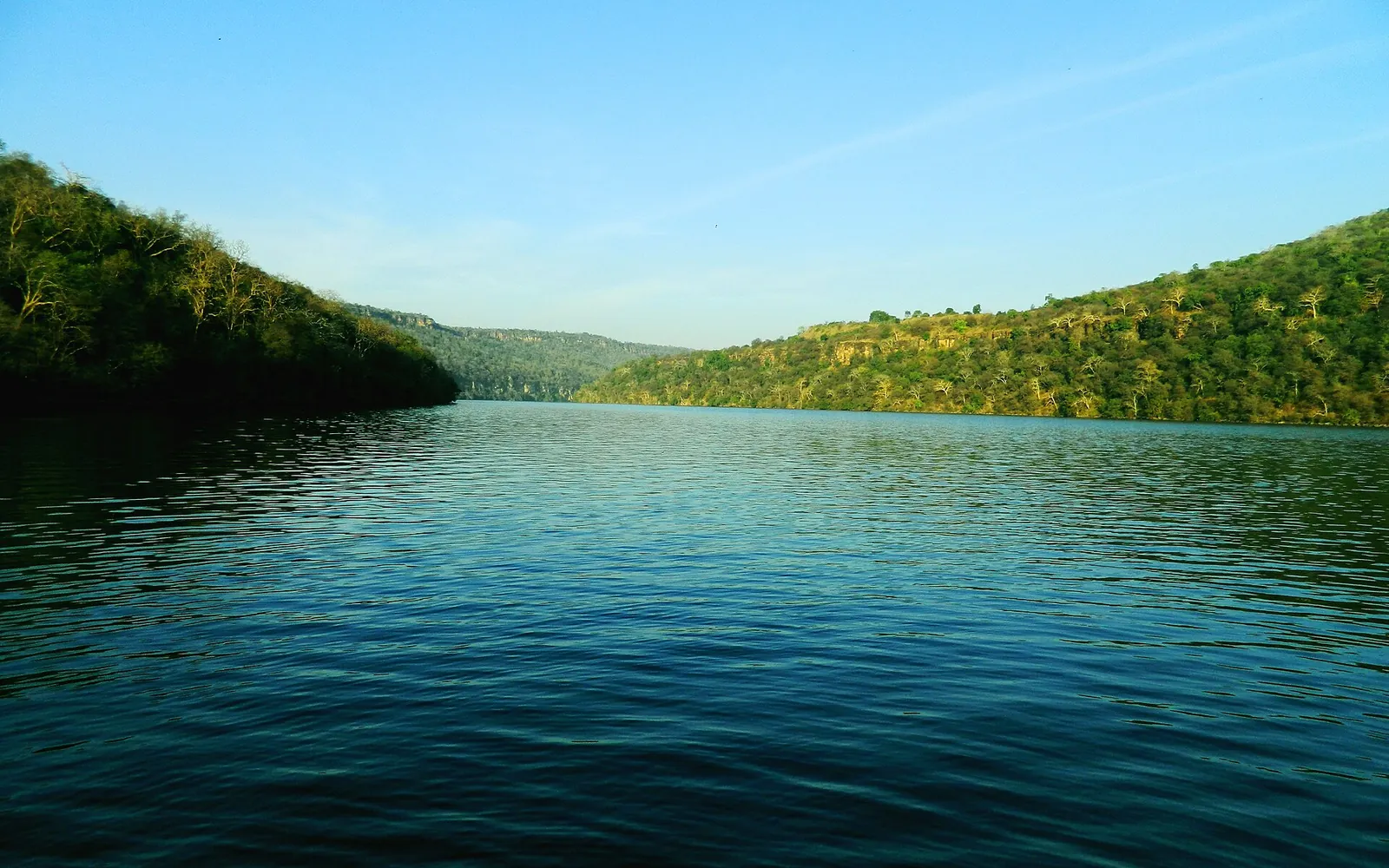
Kota sits on the Chambal, with a barrage and canals running through the city. During heavy rain, and when water is released from dams upstream, water levels and currents can change quickly.
- Do not swim, play, run or cycle close to the river, canals, nullahs or flooded underpasses during the monsoon.
- Never walk or ride through moving water, even if it looks shallow.
- Follow official warnings from the district administration and police.
Our guides to swimming in Kota and cycling in Kota have more on water and road safety.
Wet grounds and courts
- Grass and earth grounds: walk the surface before play. Avoid waterlogged patches, mud and hidden holes. Stop if players are slipping.
- Artificial turf: drains faster but can be slippery when wet; check your footwear (see football boots for turf).
- Concrete and outdoor courts: very slippery after rain, especially painted lines; postpone if in doubt.
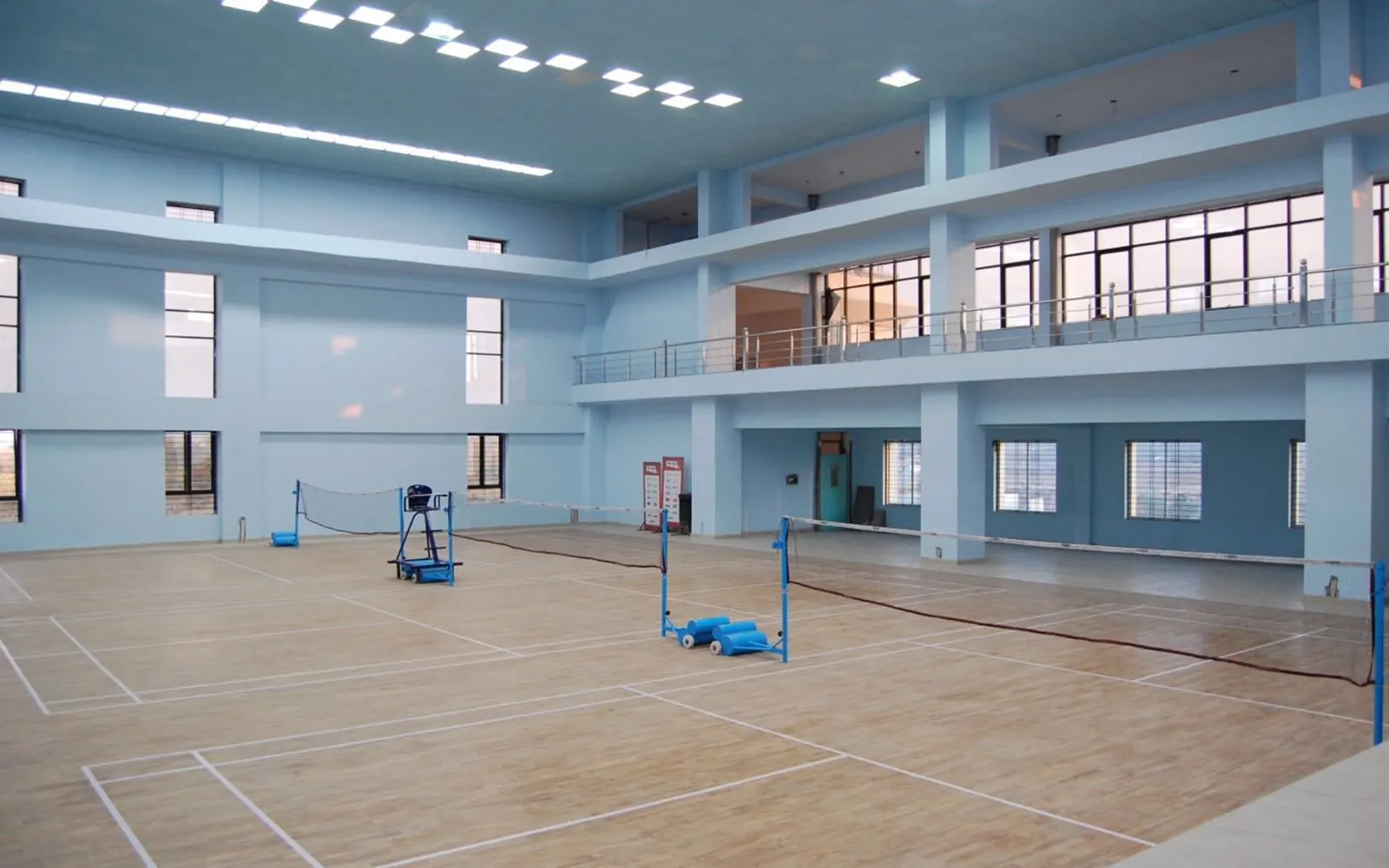
- Indoor halls: humidity can make wooden floors slick, and leaks are common in older buildings. Wipe wet patches and report leaks to the venue.
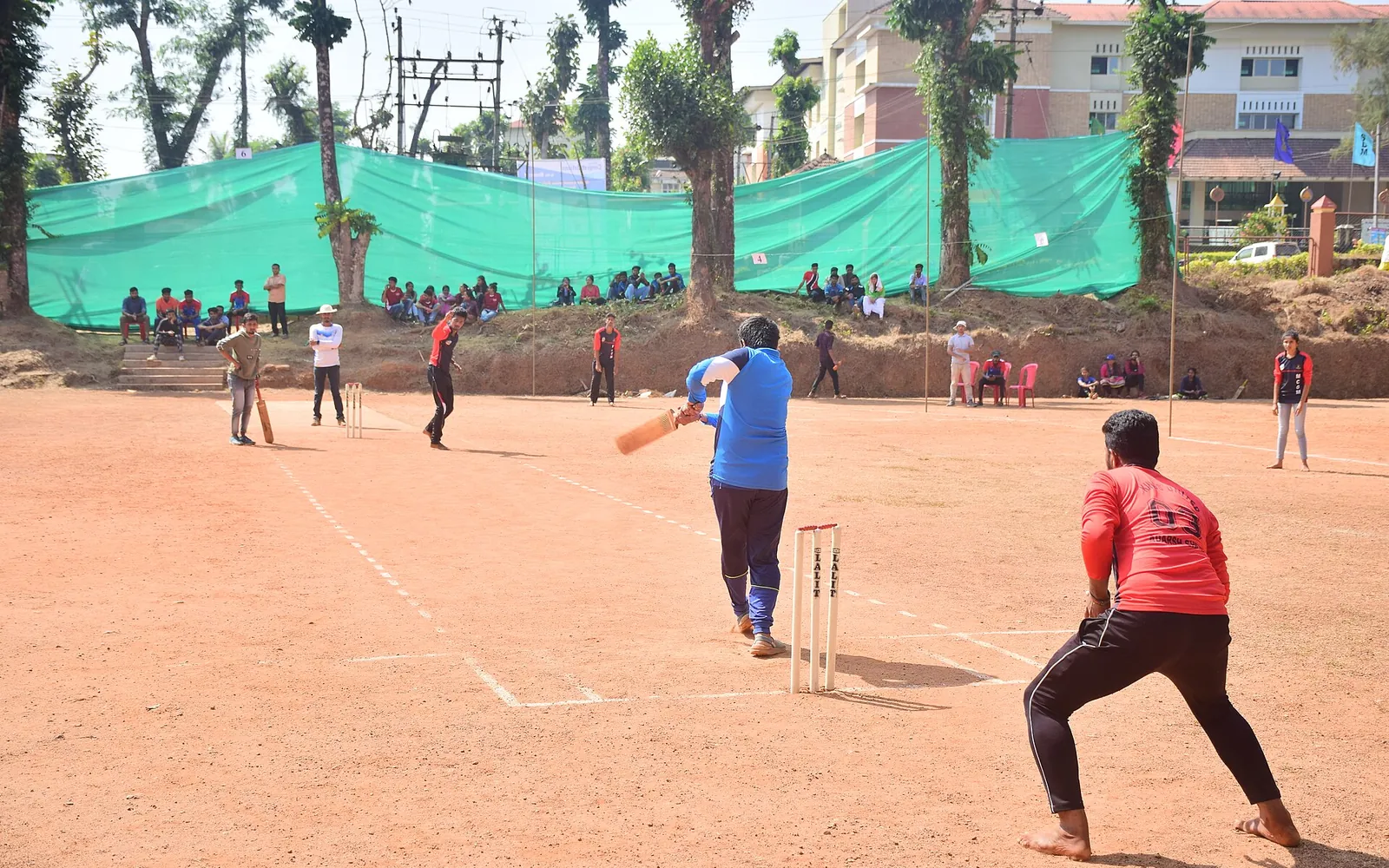
For cricket, wet balls are heavy and slippery and can cause injuries to hands and to bowlers’ backs if they keep bowling with poor footing. Many organisers shift to indoor nets or fitness sessions on heavy-rain days.
Indoor options for rainy days
The monsoon is a good time to work on things that are easy to skip in the main season:
- Hall sports: badminton, table tennis, basketball and futsal in indoor halls. See badminton rules for beginners and how to choose a table tennis bat.
- Strength and conditioning: at a gym in Kota or at home with bodyweight circuits.
- Skills at home: cricket players can use our batting drills at home; a skipping rope workout builds footwork in a small space.
- Mobility and recovery: yoga classes, stretching and treating summer niggles.
- Combat and fitness classes: boxing, martial arts and Zumba run indoors.
- Chess: see chess in Kota.
Mosquitoes and illness
Dengue, malaria and other mosquito-borne illnesses rise during and after the monsoon. Early-morning and evening training times overlap with mosquito activity.
- Wear light clothing that covers the arms and legs where practical.
- Use a mosquito repellent on exposed skin.
- Avoid standing near stagnant water; ask venues to clear water from tyres, drums and drains.
- See a doctor promptly with fever, especially with severe headache, body pain or rash. Do not train with a fever.
Humidity also means heavy sweating; keep drinking water even when it feels cooler. Our guide to playing sports in Kota’s heat explains the signs of heat illness, which can occur on humid monsoon days too.
Looking after kit
- Shoes: remove insoles, stuff with newspaper and dry in an airy place, away from strong direct heat.
- Cricket bats: keep away from moisture; a damp bat can swell and crack. Store indoors and wipe dry.
- Balls and rackets: wipe and dry after play; store rackets in a cover.
- Clothes: change out of wet clothes quickly and wash them to prevent fungal skin infections.
Our buying sports gear in Kota guide covers kit that copes better with the rains.
A simple rainy-season training week
- 2 outdoor sessions when the forecast is clear, in the morning, with a lightning plan.
- 1 or 2 indoor sport sessions in a hall.
- 1 strength and mobility session at home or a gym.
- 1 rest day, with good sleep; see sleep and recovery for young athletes.
Use the monsoon to build stamina safely (see how to improve stamina for sports) so you are ready when the main cricket and tournament season starts after the rains.
Using rainy days to learn the rules
A washed-out session does not have to be wasted. Rainy evenings are a good time to learn the rules and tactics of your sport, which many players never study properly:
- Footballers can learn offside and the free-kick rules with our football rules for beginners.
- Cricketers can finally settle arguments about leg before wicket with our LBW rule in cricket guide.
- Tennis, hockey and basketball players can read our tennis rules for beginners, hockey rules for beginners and basketball rules for beginners.
- Chess players can do a focused session of chess tactics for beginners puzzles.
Coaches can turn a cancelled outdoor session into a short indoor rules quiz or a video review of a recent match.
Returning to the ground after heavy rain
Before restarting outdoor training after a spell of heavy rain, walk the ground first:
- Look for standing water, soft patches and holes; these cause ankle and knee injuries.
- Check that floodlight poles, fencing and electrical boxes are not standing in water, and keep away if they are.
- Clear mud from steps, stands and court edges, which become slippery.
- Ease back in: the first session after a break should be lighter, with a full warm-up.
If the ground is still waterlogged, use an indoor hall or a short home workout such as our skipping rope workout for beginners instead.
Frequently asked questions
Is it safe to play cricket or football in the rain?
Light rain on a safe ground is not dangerous in itself, but wet grass and mud are slippery, balls get heavy and visibility drops. Stop if the ground becomes waterlogged or slippery, and stop immediately if there is thunder or lightning.
What should I do if there is lightning during a game?
Stop play and move to a proper building or a closed metal-roofed vehicle straight away. Open shelters, trees, tents and dug-outs are not safe. Wait until about 30 minutes after the last thunder before going back out.
Which sports can I play indoors during the monsoon in Kota?
Badminton, table tennis, basketball and futsal in indoor halls, chess, gym and strength training, yoga, boxing and martial arts, skipping and bodyweight circuits at home. Check opening times with the venue.
How do I avoid dengue and malaria while playing outdoors?
Mosquitoes are most active around dawn and dusk, which are also popular training times. Wear light clothing that covers the arms and legs, use a repellent, avoid standing water and follow local health advice. See a doctor promptly with fever.
How do I dry wet sports shoes?
Remove the insoles, stuff the shoes with newspaper and let them dry in an airy place, away from direct strong heat, which can damage glue and soles.
Is it safe to play on artificial turf straight after rain?
Artificial turf usually drains faster than grass or earth, but it can still be slippery and standing water may remain in low spots. Check the surface, the lighting and any electrical fittings before playing, and never play while thunder can be heard.
Sources
Editorial team
The Kota Sports team writes and updates these guides to sport in Kota, Rajasthan, checking facts against official sources and saying clearly where readers need to confirm details with a venue or organiser.