Sports in Kota
Warm-up exercises before sports: a simple 10-minute routine
Written by Kota Sports Editorial Team · Updated
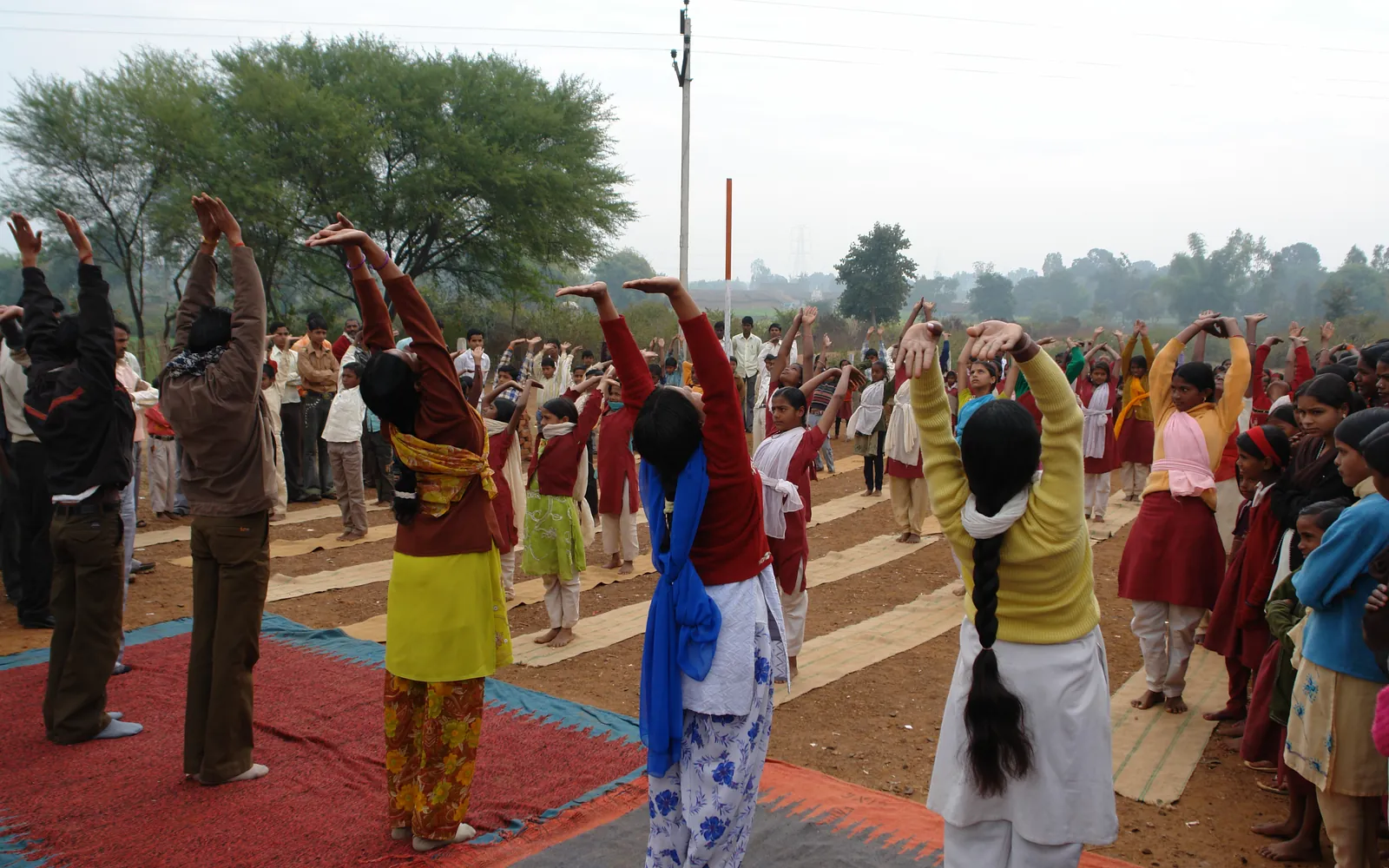
Walk past any ground in Kota at 6 a.m. and you will see two kinds of players: those who jog a lap and swing their arms before a match, and those who pick up a bat or ball straight away. Warm-up exercises before sports take about ten minutes and are one of the simplest ways to play better and lower the risk of strains and sprains. This guide gives a 10-minute routine that works for cricket, football, badminton, basketball, kabaddi and running, explains dynamic versus static stretching, and covers warming up in Kota’s heat and cooling down afterwards.
Why warm up?
A warm-up prepares the body for faster, harder movement:
- Raises heart rate and muscle temperature, so muscles contract and relax more easily.
- Mobilises joints such as the hips, ankles and shoulders that sport puts through big ranges.
- Activates key muscles, especially in the hips, legs and core, that protect joints when you land, turn and sprint.
- Rehearses skills, so your first sprint, throw or smash is not your fastest movement of the day.
- Prepares the mind to concentrate on the session.
Structured warm-ups have been studied in team sports. The FIFA 11+ programme, which combines running, strength, balance and agility exercises, is a well-known example designed to reduce injuries in football players.
A 10-minute routine for most sports
1. Raise (2 to 3 minutes)
- Slow jog, or marching on the spot if space is tight.
- Light skipping, with or without a rope; see our skipping rope workout.
- Side steps and backwards jogging.
2. Mobilise (2 to 3 minutes)
- Arm circles forwards and backwards, 10 each way.
- Hip circles and “open the gate / close the gate” leg movements.
- Leg swings forwards and sideways, holding a wall or partner, 10 each leg.
- Gentle trunk rotations.
- Ankle circles.
3. Activate (2 minutes)
- Walking lunges, 6 to 8 each leg.
- Bodyweight squats, 8 to 10.
- Glute bridges, 8 to 10.
- Calf raises, 10 to 15.
4. Rehearse your sport (2 to 3 minutes)
Build up from easy to near full speed:
- Cricket: shadow batting or bowling run-ups at half pace, then catching practice and throws building up in distance. Bowlers should finish with a few deliveries at increasing pace.
- Football: passing in pairs, short sprints, changes of direction and a few longer passes.
- Badminton: shadow footwork to the four corners, gentle clears and drops, then faster rallies.
- Running: strides of 60 to 80 metres, building to a comfortably fast pace.
- Kabaddi and kho kho: quick feet, side steps, short sprints and change-of-direction drills; see our kho kho in Kota guide.
Dynamic versus static stretching
Dynamic stretching moves a joint through its range repeatedly: leg swings, lunges, arm circles. It suits a warm-up because it raises temperature and prepares muscles for movement.
Static stretching means holding a stretch for some time. Long static holds just before explosive activity are generally not recommended; they fit better in the cool-down or a separate flexibility session, such as yoga. Our yoga classes in Kota guide covers that side.
Warming up in Kota’s heat
From April to June, and on humid monsoon days, your body is already warm. You still need to warm up, but:
- Keep it shorter and gentler, focusing on mobility and sport-specific movement.
- Warm up in shade where possible.
- Drink water before you start and keep it nearby.
- Do not add extra running to “sweat it out”.
Our guide to playing sports in Kota’s heat explains the warning signs of heat illness. On early winter mornings, when Kota can be surprisingly cool, take a little longer over the warm-up.
Cooling down
After training or a match:
- Walk or jog easily for 3 to 5 minutes until your breathing settles.
- Stretch the main muscles you used: calves, hamstrings, quadriceps, hips, chest and shoulders. Hold each gently for around 20 to 30 seconds without bouncing.
- Drink water and, after long sessions, eat a sensible meal or snack; see our guide to sports nutrition for young athletes.
Good recovery also depends on sleep; our guide to sleep and recovery for young athletes explains why.
Warm-ups for children and older players
Children warm up best through play. Tag games, relay races, passing games and “follow the leader” movement patterns raise heart rate and practise coordination without feeling like a drill. Keep instructions short and add sport skills as soon as possible; children lose interest in long lists of stretches.
Older or returning players usually need a little longer, especially in the “raise” and “mobilise” stages, and should build up more gradually to sprints and full-power shots. If you are coming back after months away, spend the first few sessions at moderate intensity before playing full matches. Anyone with a heart condition, high blood pressure or a past injury should check with a doctor or physiotherapist which movements suit them.
Common warm-up mistakes
- Skipping it because the game is starting.
- Starting too fast, with full sprints or bowling at full pace in the first minute.
- Only static stretching, sitting on the ground holding stretches.
- Warming up and then waiting 20 minutes for the match to start; repeat a short version just before you play.
- Copying a routine that hurts. If a movement causes pain, stop and get advice.
When a warm-up is not enough
A warm-up lowers the risk of some injuries but cannot fix a niggling problem. If pain persists, comes back every session or makes you limp, rest and get it checked; our guide to sports injury treatment in Kota explains where to start. Coaches in good academies build a warm-up into every session; it is one of the things to look for in our beginner’s guide to joining a sports academy.
Frequently asked questions
How long should a warm-up be before sports?
For most training sessions and matches, about 10 minutes is enough, building from light movement to faster, sport-specific actions. Longer or more intense events, and colder mornings, may need a little more.
Should I stretch before playing sport?
Use dynamic stretches, which move joints through their range, such as leg swings and walking lunges. Long static stretches are better saved for after exercise, when your muscles are warm.
Do warm-ups prevent injuries?
Structured warm-ups that include running, strength, balance and agility exercises have been shown to reduce injuries in some sports, such as the FIFA 11+ programme in football. A warm-up is not a guarantee, but it is one of the simplest steps you can take.
Should I warm up in hot weather?
Yes, but keep it shorter and lighter, in shade if possible, and drink water before you start. Your body is already warm, so you mainly need mobility and sport-specific movements.
What is a cool-down?
A few minutes of easy movement, such as walking or slow jogging, followed by gentle stretching. It helps your breathing and heart rate settle and is a good time for static stretching.
Sources
Editorial team
The Kota Sports team writes and updates these guides to sport in Kota, Rajasthan, checking facts against official sources and saying clearly where readers need to confirm details with a venue or organiser.