Sports in Kota
Sports injury treatment in Kota: what to do and who to see
Written by Kota Sports Editorial Team · Updated
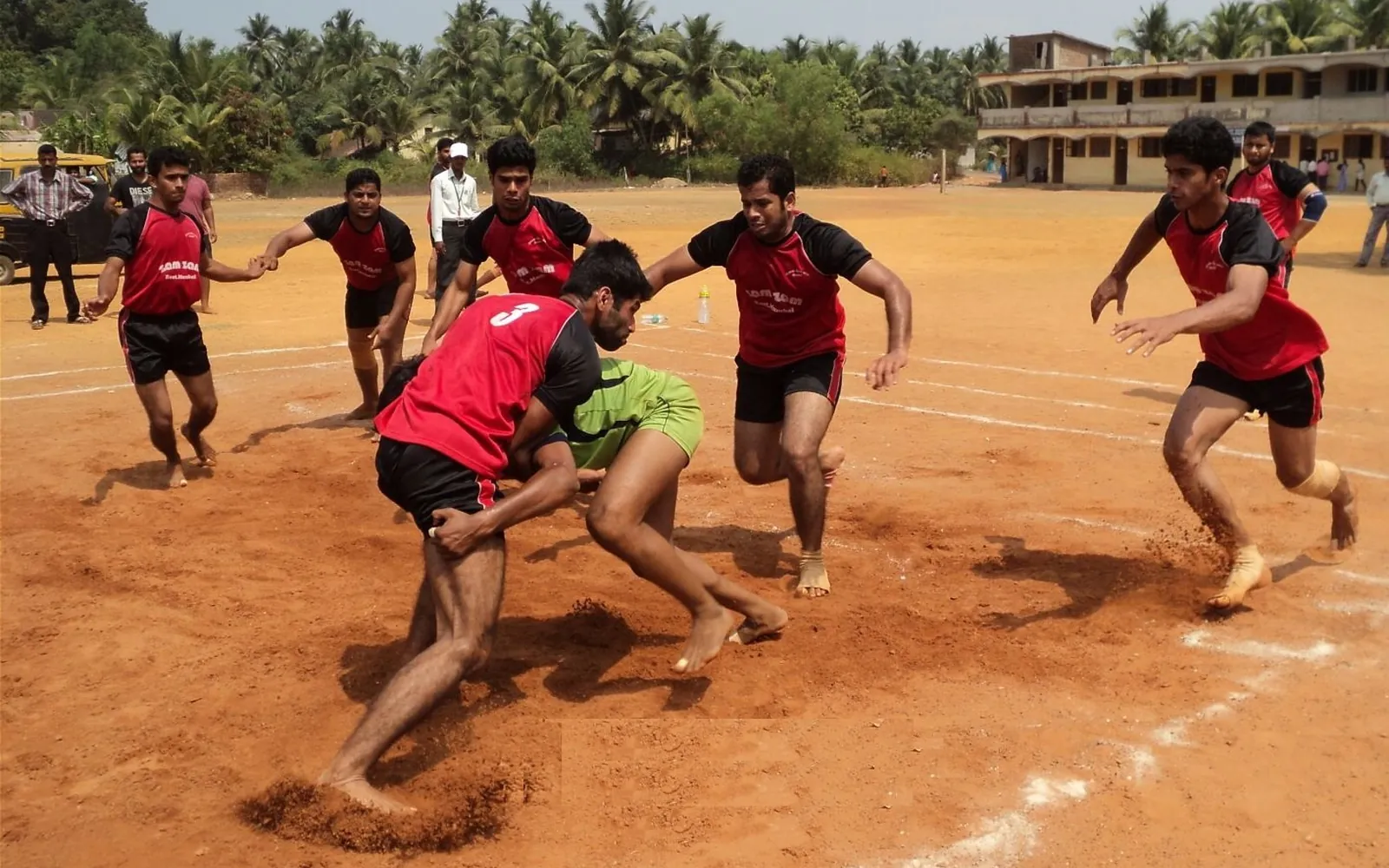
Every player gets injured sooner or later. A rolled ankle in badminton, a pulled hamstring in cricket, a knee knock in kabaddi or a jarred wrist in volleyball. Most sports injuries are minor and heal well with sensible care, but some need urgent attention, and nearly all heal better with the right advice. This guide to sports injury treatment in Kota explains the first steps after common injuries, the warning signs that mean going to hospital, how to find a qualified doctor or physiotherapist, and how to return to play safely.
This is general information, not a diagnosis. If you are unsure, see a doctor. We do not name clinics, hospitals’ timings or fees.
Emergency first: when to go to hospital
Call 108 (ambulance) or 112, or go straight to the nearest hospital emergency department, for:
- an obvious deformity, a bone through the skin, or a joint that looks out of place,
- inability to put weight on a leg or move a joint,
- severe pain or rapidly increasing swelling,
- numbness, tingling or a cold, pale limb below the injury,
- a head injury followed by loss of consciousness, vomiting, confusion, drowsiness, worsening headache, seizures or unequal pupils,
- a neck or back injury with pain, weakness or numbness (do not move the player unless they are in danger),
- chest pain, fainting or severe breathlessness during exercise.
Kota has government and private hospitals with emergency departments. Know where your nearest one is before you need it, especially if you coach children or run a camp.
First steps for minor sprains and strains
Sprains (ligaments) and strains (muscles) are the most common sports injuries. For the first two to three days, NHS guidance suggests:
- Rest the injured part and avoid activities that cause pain.
- Ice: apply an ice pack or ice wrapped in a cloth for 15 to 20 minutes every two to three hours. Never put ice directly on skin.
- Compression: a light elastic bandage can reduce swelling; it should not be tight enough to cause numbness.
- Elevation: keep the injured part raised on a pillow when possible.
Avoid heat, massage and heavy activity in the first couple of days. Ask a pharmacist or doctor before taking any painkiller, especially for children or if you have a medical condition.
If the injury is clearly improving after a few days, gentle movement helps recovery. If it is not improving, see a professional.
Head injuries need extra care
Any blow to the head in sport, from a cricket ball, a kabaddi tackle, a clash of heads in football or a fall in skating, should be taken seriously. A player with a suspected concussion should stop playing that day and not return to sport until symptoms have gone and they have followed a gradual return plan. Watch for headache, dizziness, confusion, nausea, sensitivity to light or unusual behaviour over the following days. See the NHS concussion guidance and see a doctor.
Who to see for ongoing problems
A doctor. For persistent pain, suspected fractures or ligament tears, or anything not improving, see a doctor, ideally an orthopaedic surgeon or a sports medicine doctor. They can examine you, order an X-ray or MRI if needed and rule out serious damage. You can check that a doctor is registered on the National Medical Commission’s Indian Medical Register.
A physiotherapist. A qualified physiotherapist guides rehabilitation: exercises to restore movement, strength, balance and sport-specific skills. Ask about their qualification and their experience with sports injuries.
Your coach. A good coach will adjust training, help with a gradual return and know local professionals players have used. Ask for referrals.
How to judge a physiotherapist or clinic
A good sports physiotherapist will:
- ask how the injury happened and examine you properly,
- explain what is injured and how long recovery usually takes,
- give you exercises to do at home, not just machines and massage in the clinic,
- set clear milestones for returning to training and matches,
- refer you to a doctor if something needs further investigation.
Be cautious of anyone who promises instant cures, discourages you from seeing a doctor for a serious injury, or recommends many sessions without a clear plan. Ask about fees per session and the likely number of sessions before you start.
Returning to play
Returning too early is one of the main causes of repeat injury. A safe return usually goes in stages:
- pain-free daily activities,
- full range of movement and good strength compared with the other side,
- light running or sport-specific drills,
- full training,
- matches.
For head injuries, follow a doctor’s step-by-step return plan.
Injury risks in specific activities
Some activities have predictable injury patterns. Boxing and martial arts carry a risk of head injury during sparring; any headache, dizziness or confusion after a blow means stopping and seeing a doctor (see boxing classes in Kota). Distance runners often develop overuse injuries when they add distance too quickly; a gradual plan like the one in marathon training in Kota reduces the risk. On artificial turf, the wrong studs increase knee and ankle injuries; see football boots for turf. Young fast bowlers who suddenly increase workload before trials are prone to back injuries; how to prepare for cricket trials explains how to build up safely.
Preventing injuries
- Warm up for 10 minutes before every session and cool down afterwards.
- Build training load gradually, especially after a break or exam season.
- Use proper shoes and protective gear: pads and helmets in cricket, shin guards in football and hockey, wrist guards in skating. See our Kota sports gear guide.
- Sleep enough and eat regular meals.
- Train at cooler times in summer; heat and dehydration increase injury risk. See playing sports in Kota’s heat.
- Add strength and mobility work; see our guide to choosing a gym in Kota.
Sport-specific advice is in our guides to kabaddi in Kota, hockey in Kota and cricket in Kota.
How to check current information
- Emergency: call 108 or 112.
- Doctor registration: the Indian Medical Register.
- Clinic timings and fees: contact the clinic or hospital directly.
- General injury advice: NHS sports injuries guidance.
Frequently asked questions
What should I do right after a sprained ankle?
Stop playing. For the first couple of days, rest the ankle, apply an ice pack wrapped in a cloth for around 15 to 20 minutes every few hours, use a light compression bandage and keep the foot raised. If you cannot put weight on it, or the pain and swelling are severe, see a doctor to rule out a fracture.
When should a sports injury go to the emergency department?
Go urgently if there is an obvious deformity, a bone through the skin, inability to bear weight or move a joint, severe pain, numbness, a head injury followed by vomiting, confusion or drowsiness, loss of consciousness, or chest pain or breathing difficulty during exercise. Call 108 or 112 if needed.
Do I need a doctor or a physiotherapist?
Often both. A doctor diagnoses the injury, orders scans if needed and rules out serious damage. A physiotherapist then guides rehabilitation with exercises to restore strength, movement and balance. For a minor strain that is improving, a physiotherapist may be enough; they will refer you if something needs a doctor.
How do I find a good sports physiotherapist in Kota?
Ask your coach, teammates and doctor for referrals. Check the physiotherapist's qualification (a degree in physiotherapy) and experience with sports injuries, and look for someone who examines you properly and gives you a clear exercise plan.
When can I play again after an injury?
When you can move the injured part fully without pain, have regained strength and balance, and can do sport-specific movements such as sprinting, turning and jumping without symptoms. A physiotherapist can test this. Head injuries need a careful step-by-step return.
What are common running injuries?
Shin pain, knee pain, Achilles and calf problems and heel pain are common, usually from increasing distance too quickly or worn shoes. Reduce training and get persistent pain checked; stop and seek help immediately for chest pain or fainting.
Sources
Editorial team
The Kota Sports team writes and updates these guides to sport in Kota, Rajasthan, checking facts against official sources and saying clearly where readers need to confirm details with a venue or organiser.