Sports in Kota
Martial arts classes in Kota: how to choose a good dojo
Written by Kota Sports Editorial Team · Updated
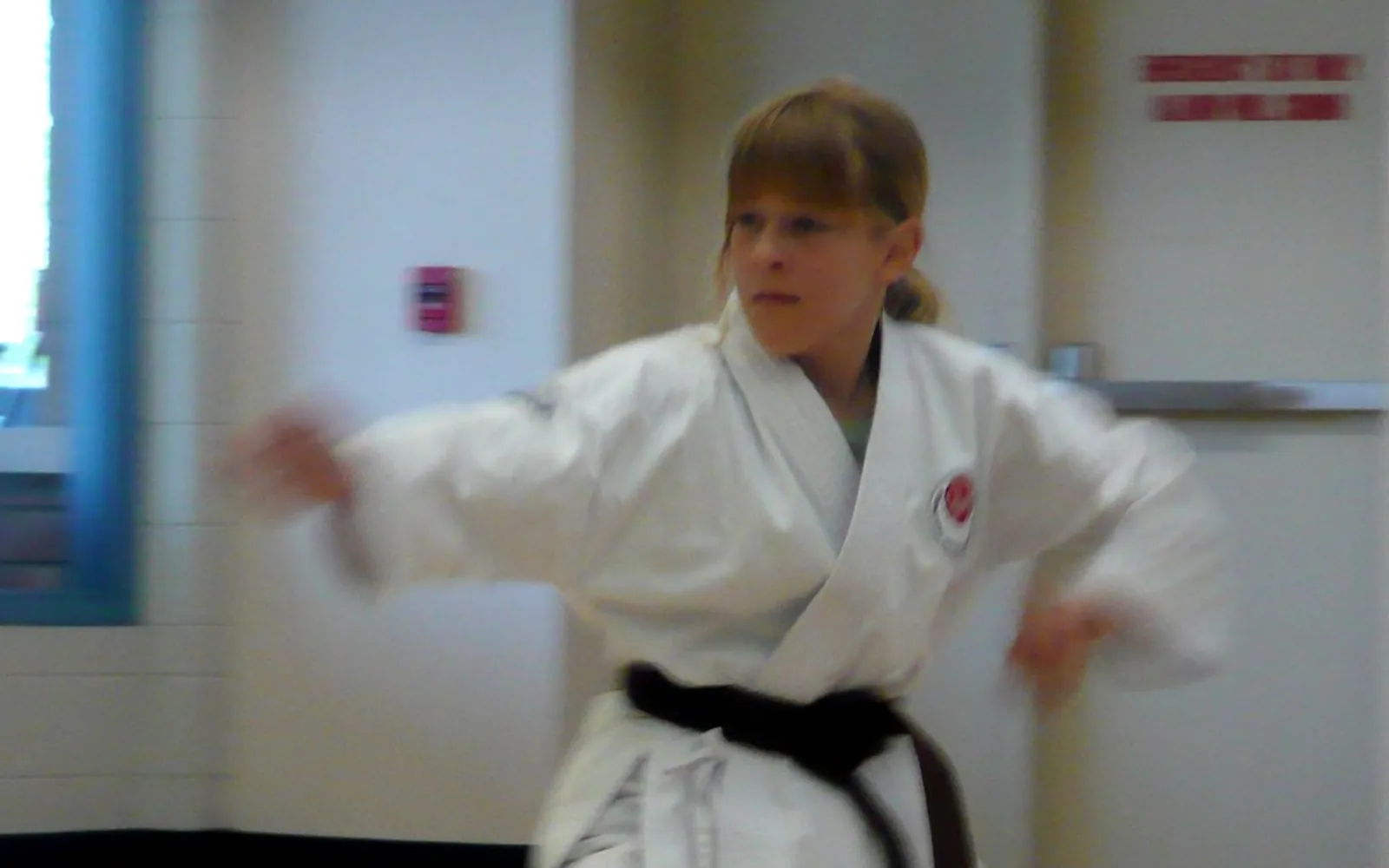
Martial arts classes in Kota attract children looking for discipline and confidence, teenagers who want to compete, and adults who want fitness or self-defence skills. You will find karate, taekwondo, judo, boxing, wushu and general self-defence classes in school halls, community centres, gyms and sports complexes across the city. Quality varies widely, and the martial arts world has its share of fake certificates and pay-to-win tournaments. This guide explains the main styles, how to judge an instructor, how belts and gradings work, and the warning signs to watch for.
We do not name clubs or publish fees and timings. Watch a class and ask for the terms in writing.
The main martial arts you will find in Kota
Karate. Strikes, blocks and kicks, with forms (kata) and controlled sparring (kumite). Widely taught to children. Internationally governed by the World Karate Federation.
Taekwondo. Known for high, fast kicks. An Olympic sport, governed internationally by World Taekwondo. Competition uses protective gear and electronic scoring at higher levels.
Judo. Throws, holds and safe falling on mats, with no striking. An Olympic sport governed by the International Judo Federation. Excellent for learning to fall without injury.
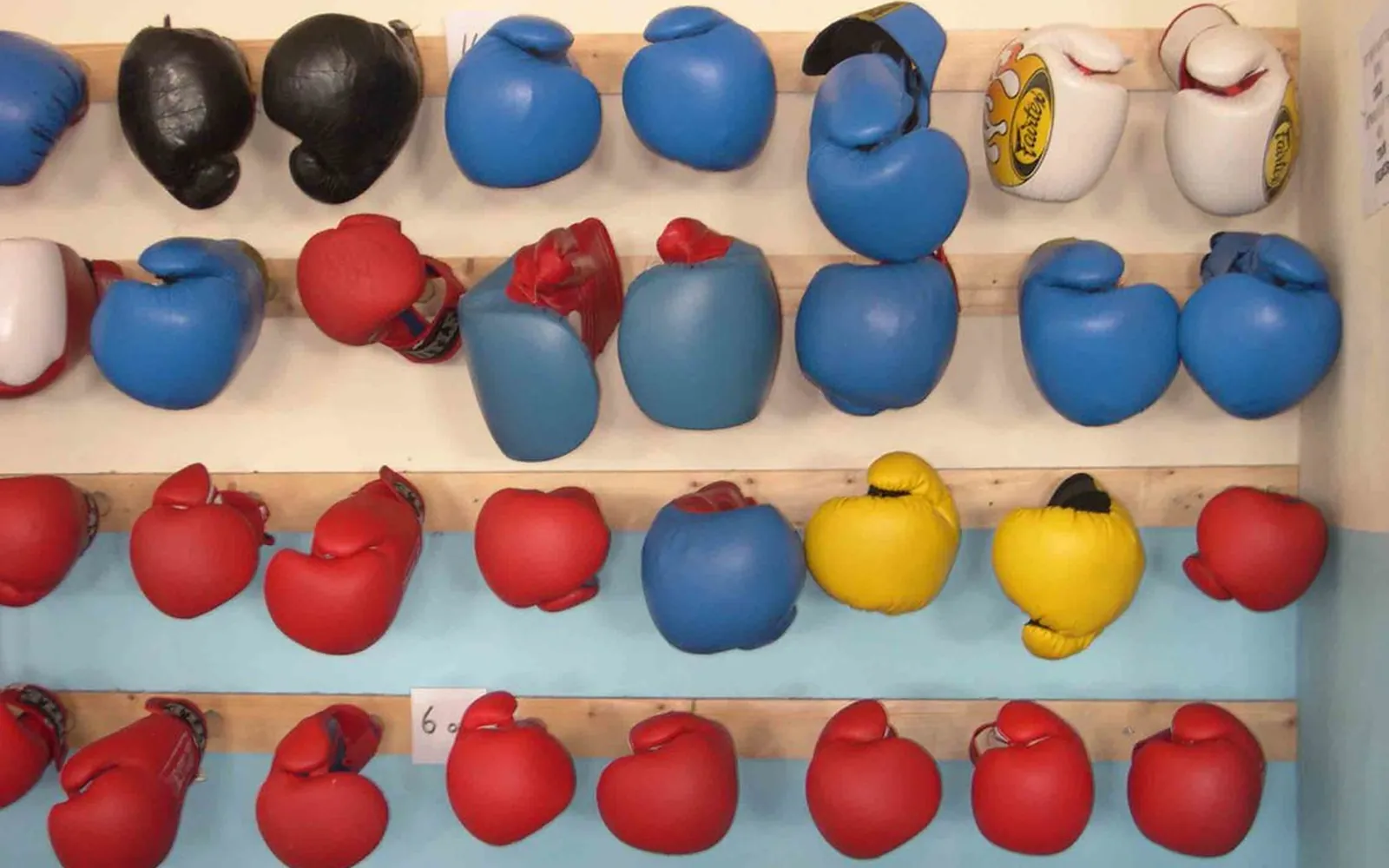
Boxing. Punching, footwork and conditioning. Very good for fitness. Sparring needs careful supervision.
Wushu and kung fu. Chinese martial arts with forms and full-contact sparring (sanda) at competition level.
Self-defence courses. Short courses focused on awareness, escapes and simple techniques, often aimed at girls and women. Schools, colleges and police initiatives sometimes run free workshops.
Choose by goal, not by style
- Discipline, fitness and confidence for a young child: any well-run karate, taekwondo or judo class.
- Competitive sport: a club affiliated to the recognised state association, with a record of entering students in recognised championships.
- Practical self-defence: a course that teaches awareness, avoidance and escape, practised under pressure with a partner. See our guide to sports for girls in Kota for more.
How to judge an instructor
Ask:
- What grade does the instructor hold, from which organisation, and how long have they taught?
- Which state and national body is the club affiliated to?
- How are beginners introduced to contact and sparring?
- Is there first aid on site, and how are injuries handled?
- How are children supervised, and are parents welcome to watch?
Then watch a class. Look for a proper warm-up, safe flooring or mats, clear instructions, partners matched by size and level, and an instructor who stops anything dangerous immediately. Respectful discipline is good; humiliation, shouting at children or encouraging injury is not.
The national federations for Olympic and other sports are recognised by the Ministry of Youth Affairs and Sports. Some styles have several competing organisations, so ask which body the club belongs to and whether its events lead to recognised state and national championships.
Belts and gradings
Most styles use a belt system. Students take gradings (tests) every few months in the early stages, with longer gaps at higher levels. Each grading usually carries a fee, and the club may also charge for licences or membership of its parent organisation.
A black belt in a recognised system typically takes years of regular training. Be cautious if a club:
- promises a black belt within months,
- charges large fees for “fast-track” gradings,
- sells certificates from impressive-sounding international bodies you cannot verify.
Pay-to-win tournaments
Some events charge high entry fees and hand out medals and trophies to almost every participant, sometimes with “international” in the title. They can be fun but they are not recognised competitions and do not lead to selection. Before paying, ask who organises the event and whether it is sanctioned by the state association. Our guide to sports tournaments in Kota explains how to check events.
Safety
- Contact: beginners should start with no-contact or light-contact drills. Head contact should be tightly controlled for children.
- Protective gear: gloves, shin guards, mouth guards and headgear as required by the style and level.
- Head injuries: any blow followed by headache, dizziness, vomiting or confusion means stopping training and seeing a doctor. See our guide to sports injury treatment in Kota.
- Heat: halls can be very hot in summer. Train at cooler times and drink water. See playing sports in Kota’s heat.
Fees and extra costs
Ask for a full list in writing: monthly fee, uniform, belt, grading fees, licence or membership, and tournament entry and travel. Ask about missed classes during exams. Summer camps often include short martial arts courses, which are a low-cost way to try; see summer sports camps in Kota. Our beginner’s guide to joining a sports academy in Kota covers more questions to ask.
Martial arts alongside other sports
Martial arts training builds balance, flexibility and reaction speed that help in other sports. Kabaddi players in particular share the need for agility and body control; see kabaddi in Kota. If your child likes individual sports with clear progress steps, skating classes in Kota are another option.
Boxing and self defence courses
Boxing has its own guide: boxing classes in Kota explains the difference between fitness boxing and competitive boxing, how sparring should be supervised and which gear to buy first. For practical personal safety rather than a sport, a short self defence course that teaches awareness, boundary setting and escapes may suit you better; read self defence classes for women in Kota. Many people start with a short course and then continue with a martial art to keep the skills fresh.
What a first class looks like
A typical beginners’ class starts with a warm-up and stretching, then basic stances, blocks or falls, and simple techniques practised in the air or on pads. Partner work for beginners should be slow and controlled. Many clubs let new students try one or two classes in ordinary sports clothes before buying a uniform. Arrive a little early, tell the instructor about any injuries or health conditions, bring water, and remove jewellery. Children should be collected on time; ask how the club handles late pick-ups.
How to check current information
- Classes and fees: contact the club, watch a class and ask for written terms.
- Affiliation: ask which state and national body the club belongs to; check recognition with the Ministry of Youth Affairs and Sports.
- Government coaching and trials: the district sports office and the Rajasthan State Sports Council.
Frequently asked questions
Which martial art is best for children?
Karate, taekwondo and judo are all common starting points for children. Judo teaches safe falling and grappling; karate and taekwondo focus on striking and kicking with controlled contact. The quality of the instructor and class matters more than the style. Let your child try one or two trial classes.
How long does it take to get a black belt?
In most recognised systems it takes several years of regular training and gradings. Be cautious of any club that promises a black belt within months for a fee.
Are there self-defence classes for girls in Kota?
Schools, colleges, police initiatives and martial arts clubs sometimes run self-defence workshops for girls and women. Ask your school or college, and watch local news for free workshops.
Is boxing safe for teenagers?
Boxing training builds fitness and discipline, but sparring carries a risk of head injury. A good coach uses proper gloves and headgear where required, matches partners carefully and keeps sparring light for beginners.
How do I check if a martial arts club is affiliated?
Ask the club which state and national body it is affiliated to, then check that the national body is recognised by the Ministry of Youth Affairs and Sports, and that the club appears in the state association's lists or events.
Should I choose boxing or a traditional martial art?
Boxing focuses on punches, footwork and fitness, with sparring for those who compete. Karate, taekwondo and judo add kicks, throws, forms and belt gradings. Try a class of each and choose the coach and atmosphere you like best.
Sources
Editorial team
The Kota Sports team writes and updates these guides to sport in Kota, Rajasthan, checking facts against official sources and saying clearly where readers need to confirm details with a venue or organiser.