Sports in Kota
Self defence classes for women in Kota: choosing a course that works
Written by Kota Sports Editorial Team · Updated
Self defence classes for women in Kota are in demand from school and college students, young women living in hostels and paying-guest rooms during coaching, working women and mothers. Some classes are short workshops run by schools, colleges, hostels or community groups; others are regular courses run by martial arts clubs, gyms and fitness studios. This guide explains what a good course actually teaches, how to check the trainer, which longer-term options build real skill, and the safety basics every student should know.
We do not name trainers or publish fees and timings. Ask the organiser directly, try a session and get the terms in writing.
What good self defence training teaches
Effective self defence is much more than a few techniques. A good course covers:
- Awareness. Noticing your surroundings, trusting your instincts, and recognising situations that feel wrong early.
- Avoidance. Choosing routes, timings and transport that reduce risk, and leaving early.
- Boundary setting. Using a firm voice and body language to say no and create distance. Many situations end here.
- Simple physical escapes. Breaking free from wrist grabs, clothing grabs and holds, then moving away.
- Getting to safety. Running to a busy, lit place, calling for help and calling 112.
- Practice under mild pressure. Repeating escapes with a partner who gradually adds resistance, so the moves work when you are nervous.
Be cautious of courses that focus on complicated moves, weapons or “fighting back” without teaching awareness and escape. The goal is to get away safely, not to win a fight.
Workshop or regular course?
Short workshops (one session to a few days) are a great introduction and are often free in schools, colleges and hostels. They give you awareness skills and a few escapes.
Regular classes build skills that hold up under stress. Options in Kota include:
- Judo and wrestling-based training: balance, falling safely and escaping holds.
- Karate and taekwondo: striking, kicking and distance management.
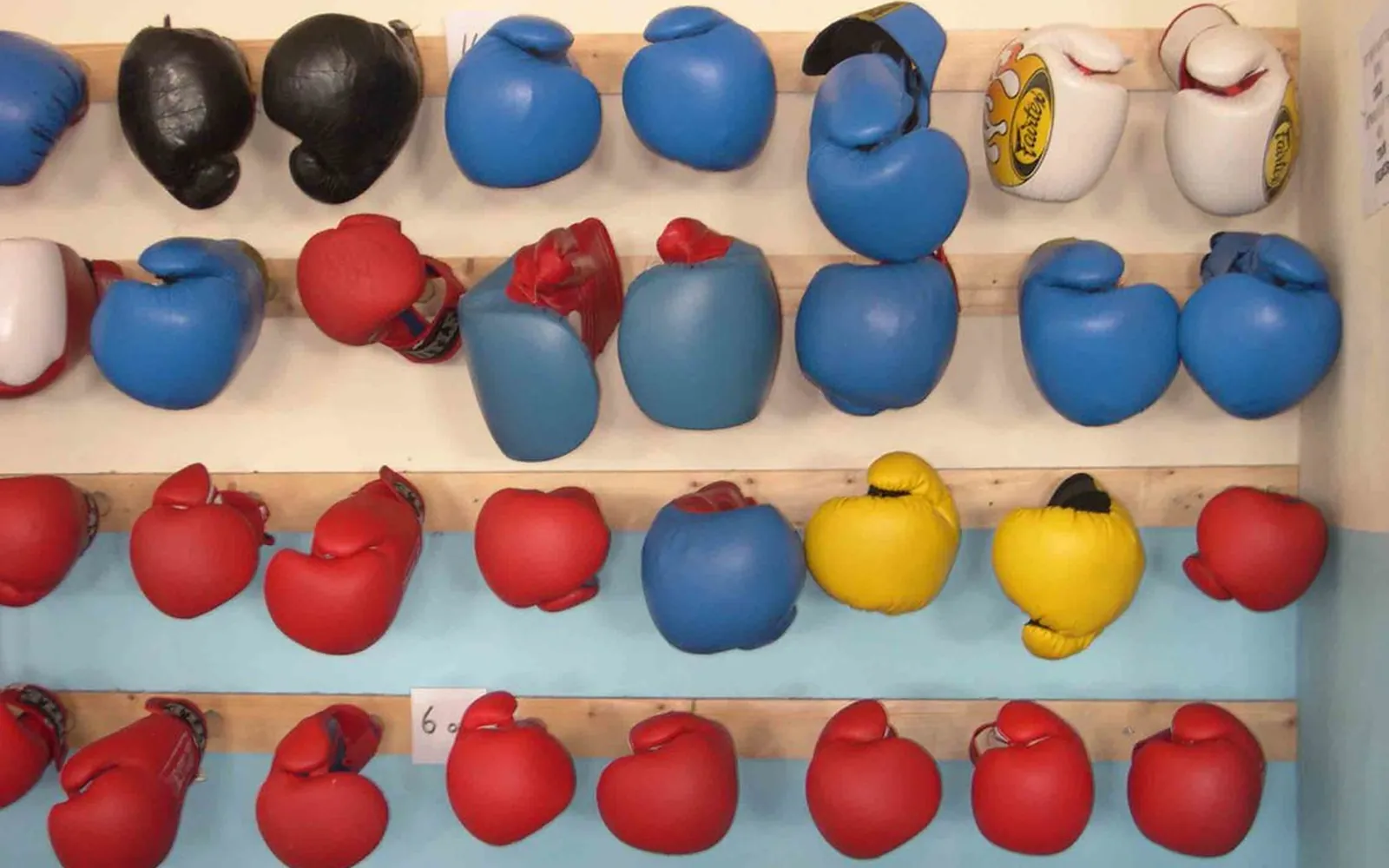
- Boxing and fitness boxing: strong, simple punches, footwork and fitness. See boxing classes in Kota.
- Dedicated self defence courses: some instructors teach systems that focus only on self defence.
Our guide to martial arts classes in Kota explains how to choose a style and check a club.
How to check a trainer and a class
Ask:
- What is your own training background, and how long have you taught women and girls?
- Is a woman trainer available, or are there women-only batches?
- How is partner practice organised? Who partners with beginners?
- Is there first aid on site, and what happens if someone is hurt?
- Can a parent or friend watch a trial session?
Then watch or try a session. Good signs: a calm, respectful trainer, clear explanations, gradual contact, and permission to stop at any time. Warning signs: uninvited physical contact beyond what the exercise needs, mocking participants, pressure to buy expensive packages, or claims that one course makes you “unbeatable”.
Safety basics for students living away from home
Thousands of young women live in hostels and paying-guest rooms in Kota during coaching. Alongside any class:
- Share your daily routine and any changes with a trusted friend or family member.
- Keep your phone charged and save emergency contacts, including your hostel warden.
- Use well-lit, busy routes and trusted transport, especially after dark.
- Know that 112 is India’s single emergency number for police, fire and ambulance.
- For concerns about harassment or violence, the National Commission for Women explains complaint routes and support.
Fitness helps, but it is not required
You do not need to be fit to start. Regular activity does make escapes and running away easier, and the World Health Organization recommends regular physical activity for teenagers and adults. If you want to build fitness alongside self defence, see our fitness routine for Kota students, yoga classes in Kota and gym in Kota guides. For a wider view of options, read sports for girls in Kota.
Practising safely
- Warm up before partner work and tell the trainer about any injury.
- Start slowly; speed comes with repetition.
- Use mats for falls and ground escapes.
- Practise in cooler hours in summer and drink water; see playing sports in Kota’s heat.
- If you are hurt, see our guide to sports injury treatment in Kota.
Self defence for school-age girls
For girls in school, the best start is often a workshop arranged by the school, followed by a regular martial art or sport. Children learn best through games and short drills, so a good children’s session includes running, balance and partner games as well as escapes. Parents should be welcome to watch, the group should be supervised at all times, and contact should be gentle. Talk to your daughter about trusted adults, safe routes to school and coaching, and what to do if she feels uncomfortable. Our guide to the best age to start sports for kids explains how to choose activities by age.
Costs to ask about
Free workshops are common in schools and colleges. For paid courses, ask for a written list of fees, duration, number of sessions, uniform or gear, any certificate fee and the refund rule. A certificate is not a measure of skill; regular practice is.
Building fitness alongside a course
Self defence techniques work best when you can move quickly, keep your balance and keep going for a short burst. You do not need to be an athlete to start, but a little fitness work at home makes the course easier and more effective.
- Warm up properly before each class or practice; see warm-up exercises before sports.
- Skipping builds light, quick feet and stamina in a small space; our skipping rope workout for beginners starts with very short intervals.
- Short bursts of effort, such as brisk walking with fast intervals, improve the ability to move away quickly; see how to improve stamina for sports.
- Simple strength exercises such as squats, lunges, push-ups against a wall and planks support stable stances and strikes.
If you have a health condition, are pregnant or have had a recent injury, tell the instructor and check with a doctor before strenuous training.
How to find a class
- Schools, colleges and hostels: ask the sports teacher, student welfare office or warden about upcoming workshops.
- Martial arts clubs and gyms: ask whether they run self defence courses or women-only batches.
- Summer programmes: short courses sometimes run during holidays; see summer sports camps in Kota.
- Government sports programmes: the district sports office and the Fit India Movement publicise fitness initiatives.
Frequently asked questions
Do I need to be fit to join a self defence class?
No. A good course starts from your current level and builds fitness gradually. Some general fitness, such as being able to move quickly for short bursts, helps, and you can build it alongside the course with walking, skipping or a simple strength routine.
How long does it take to learn self defence?
A short workshop of a few hours can teach awareness, boundary setting and a handful of escapes. Being able to use techniques under stress takes regular practice over months, which is why many women continue with a martial art or a weekly class.
Which martial art is best for self defence?
There is no single best style. Judo and wrestling-based styles teach balance, falling and escaping holds; boxing and karate teach striking and distance. What matters most is realistic, supervised partner practice and a trainer who focuses on escape rather than fighting.
Are there free self defence workshops in Kota?
Schools, colleges, hostels, coaching institutes, community groups and police initiatives sometimes run free workshops. Ask your school, college or hostel warden, and watch local news and notice boards.
Do I need to be fit to join a self defence class?
No. A good beginner class starts where you are. Fitness improves with practice, and the core skills of awareness and escape do not depend on strength.
What number should I call in an emergency in India?
112 is India's single emergency number for police, fire and ambulance.
Sources
Editorial team
The Kota Sports team writes and updates these guides to sport in Kota, Rajasthan, checking facts against official sources and saying clearly where readers need to confirm details with a venue or organiser.