Academies and coaching
Best age to start sports for kids: what parents in Kota should know
Written by Kota Sports Editorial Team · Updated

The best age to start sports for kids is one of the first questions parents in Kota ask when they see academy banners promising to turn five-year-olds into cricketers or swimmers. The honest answer is that there is no single magic age. Children develop in stages, and each stage suits a different kind of sport: free play and basic movement skills in the early years, a variety of fun sports in primary school, and more serious, sport-specific training in the teenage years. This guide explains each stage, what experts say about early specialisation, and how to choose sensibly in Kota.
We do not name academies or publish fees. Use the checklists here and in our beginner’s guide to joining a sports academy in Kota.
Stage 1: under six, play comes first
Before six, children are learning fundamental movement skills: running, jumping, hopping, throwing, catching, kicking, balancing and climbing. These are the building blocks of every sport. A child who can throw, catch and run well at six will pick up cricket, football or basketball much faster later.
What helps most at this age:
- daily active play outdoors, in parks and open spaces, in cooler hours;
- ball games at home: rolling, throwing, catching and kicking soft balls;
- balance games, cycling with stabilisers or a balance bike, and climbing in safe playgrounds;
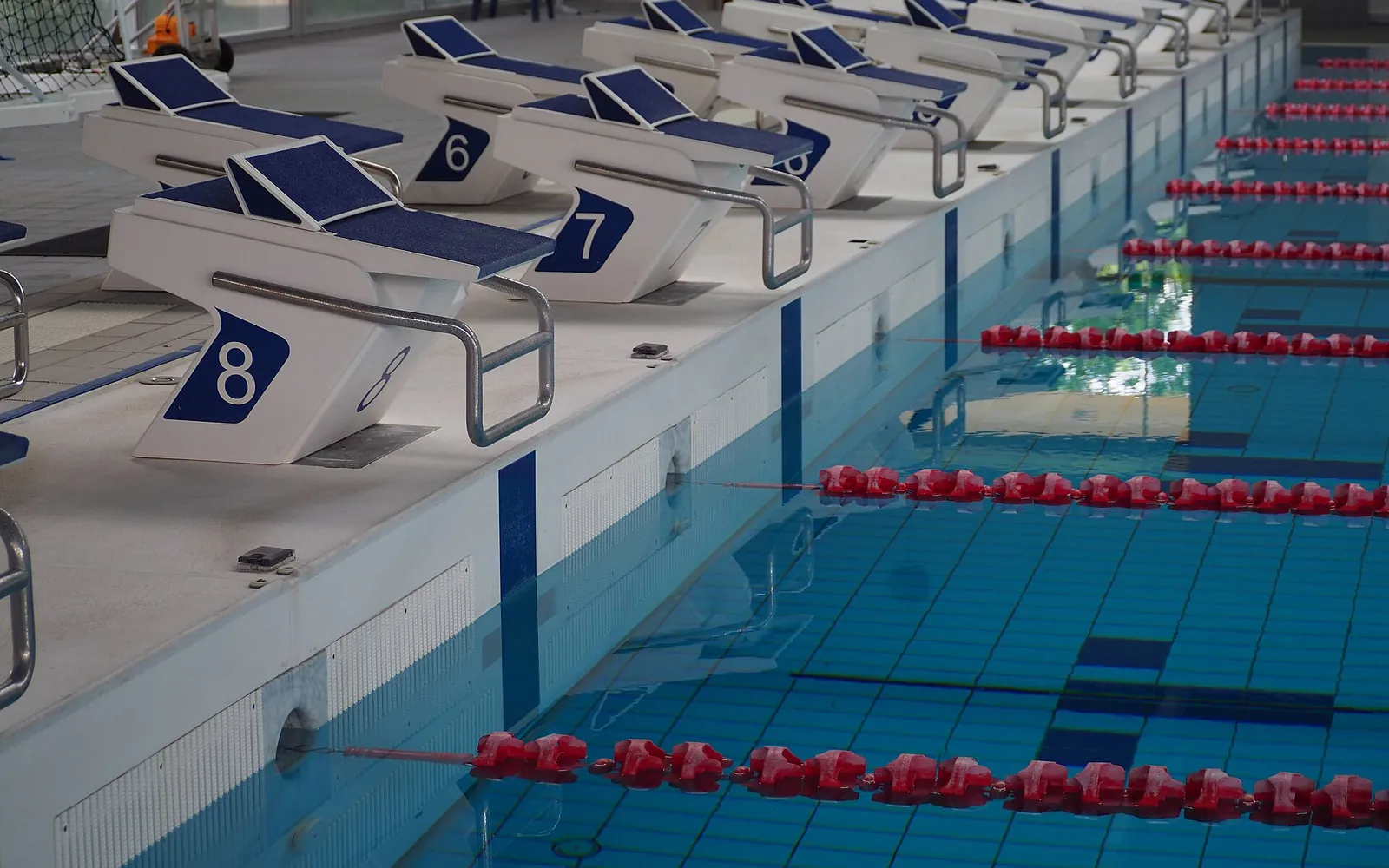
- swimming lessons at a supervised pool, which also build water safety (see swimming pools in Kota).
Formal, drill-heavy coaching is rarely needed. If you do enrol a young child, choose short, playful sessions in small groups.
Stage 2: about six to twelve, try many sports
This is the ideal time to sample different sports. Children enjoy learning rules, playing in teams and seeing their skills improve. Group coaching becomes useful, as long as it is fun and varied.
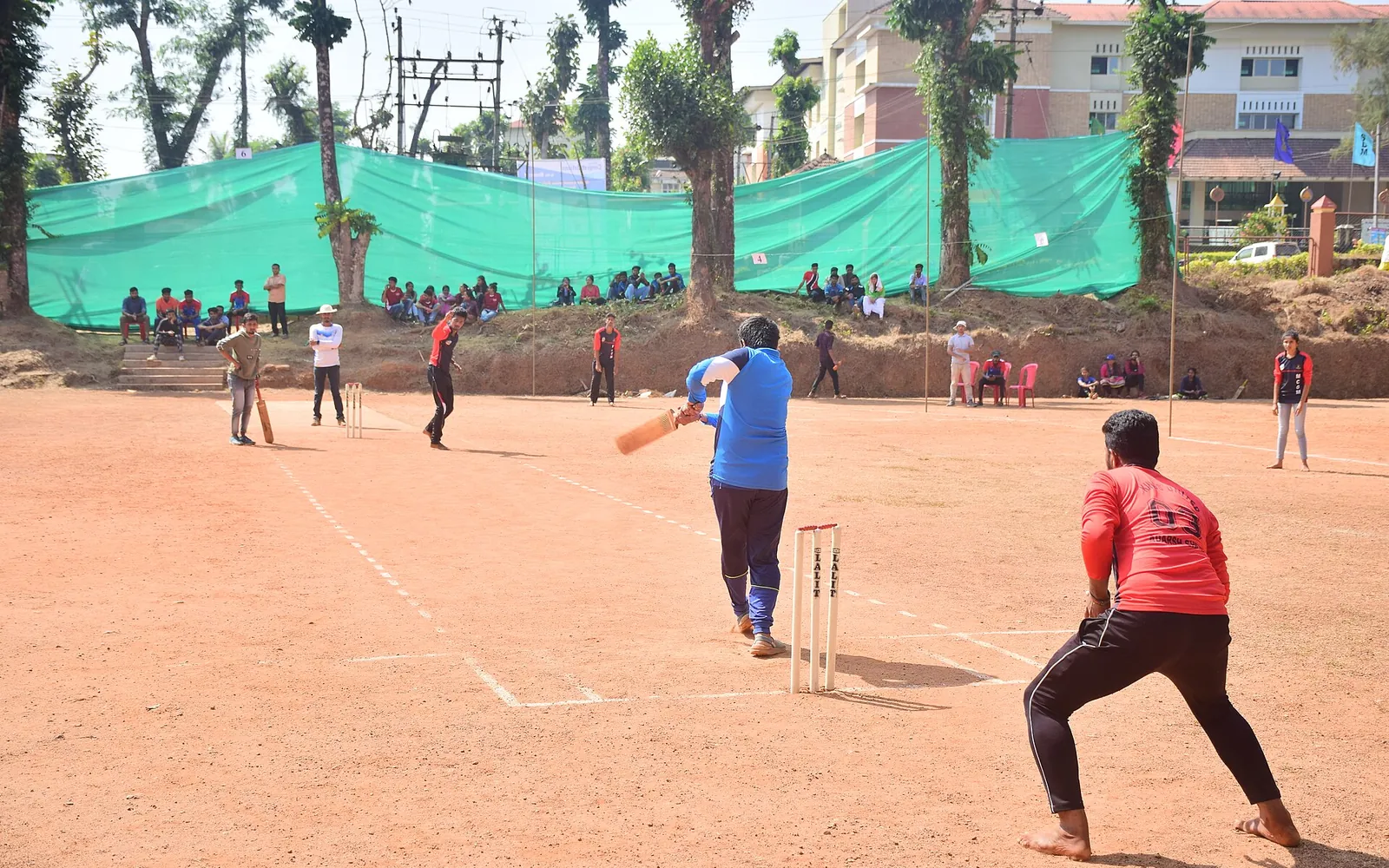
Good options in Kota include school sports, summer sports camps, weekend batches in cricket, football, badminton, swimming, skating, athletics and martial arts, and chess for children who enjoy thinking games. Read our sport guides for cricket, football, badminton, skating and athletics.
The World Health Organization recommends that children aged 5 to 17 get an average of at least 60 minutes of moderate to vigorous physical activity a day, with muscle- and bone-strengthening activities at least three days a week. A mix of school PE, play and one or two sports usually covers this.
Stage 3: the teenage years, focus if they want to
From around the early teens, children who love a particular sport can train more seriously: more sessions a week, skill-specific coaching, fitness work and competitions. This is when district and state trials, school championships and programmes such as Khelo India talent identification become relevant; see our Khelo India talent identification guide and sports tournaments in Kota.
It is also not too late to start a new sport as a teenager. Teens with a broad movement base often catch up quickly.
Why early specialisation is risky
Early specialisation means training in one sport, intensely and year-round, from a young age. Paediatric and sports medicine guidance, such as material from the American Academy of Pediatrics on HealthyChildren.org, points to risks including:
- overuse injuries from repeating the same movements (for example bowling or serving) while bones are still growing;
- burnout, when a child loses interest after years of pressure;
- narrower skills, which can limit performance later.
Playing several sports, with rest days and an off-season, protects against these risks. If your child already trains a lot in one sport, ask the coach how they manage training load, especially for fast bowlers, swimmers and racket players. Our guide to sports injury treatment in Kota covers common overuse problems.
Approximate starting points by sport
These are typical patterns, not rules. Always check what a specific coach offers for each age group.
- Swimming: learn-to-swim lessons can start early; competitive training comes much later.
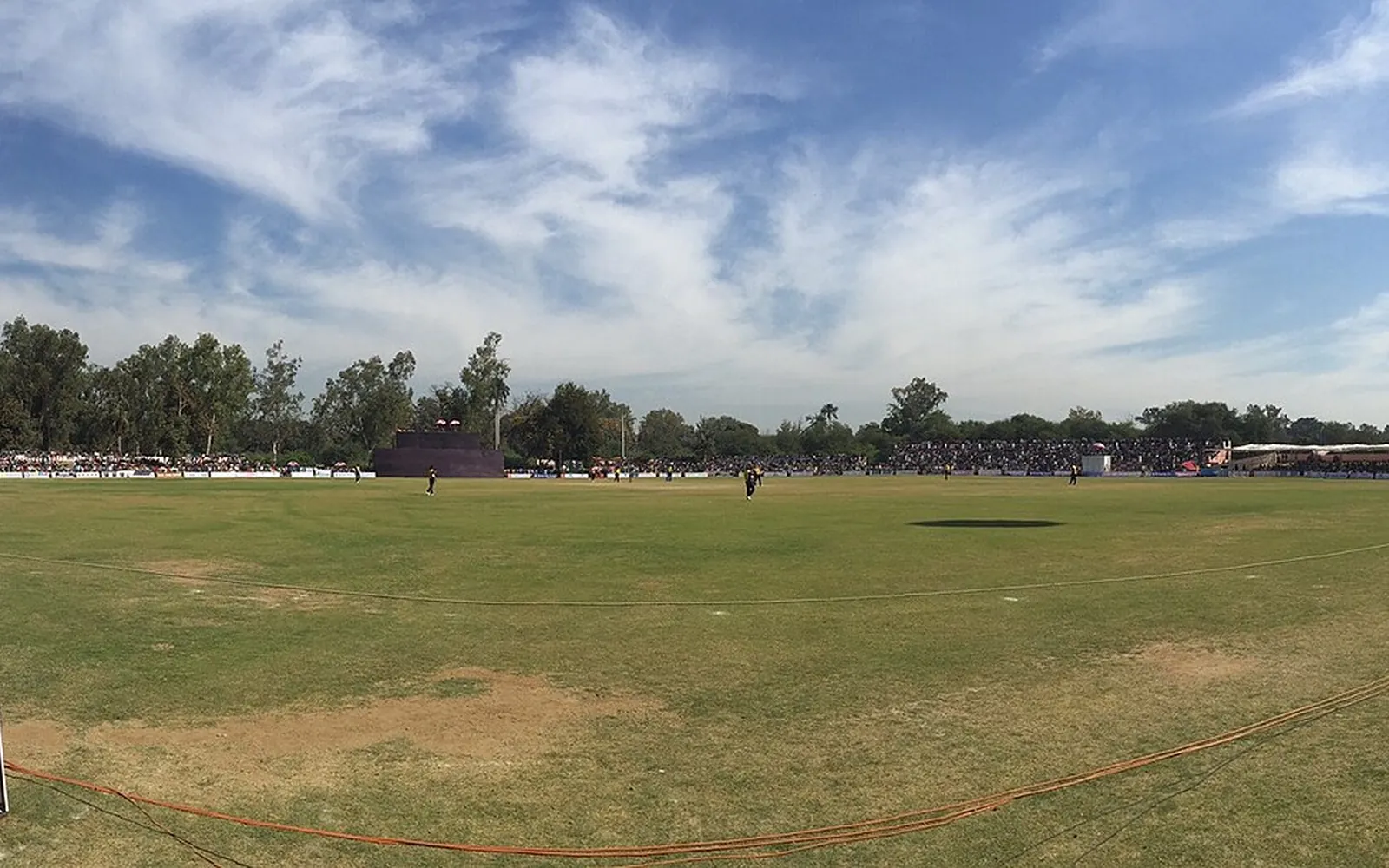
- Cricket, football, hockey, basketball: fun skill sessions from primary school; structured team training from around ten upwards.
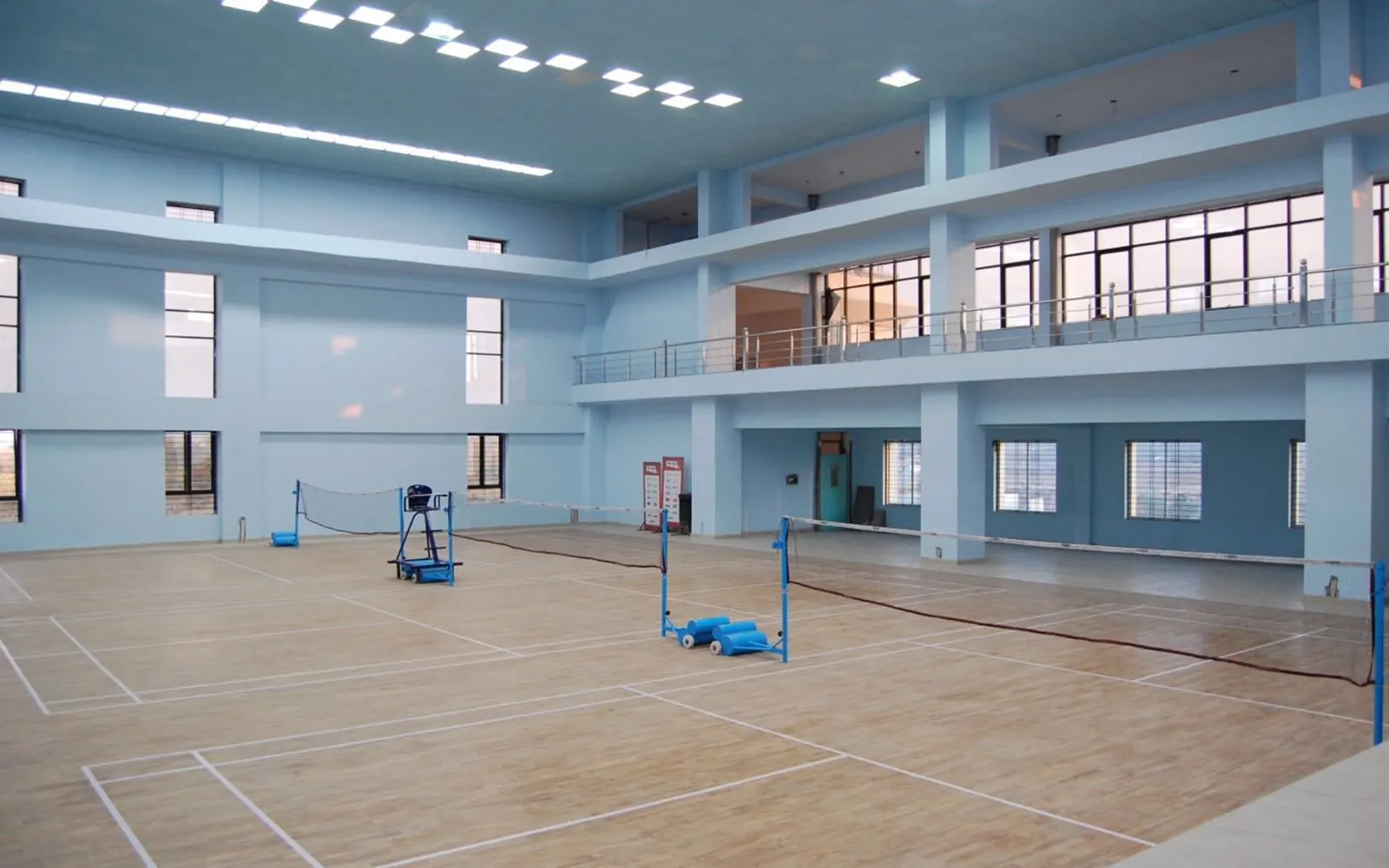
- Badminton, table tennis, tennis: child-sized equipment and short sessions in primary school.
- Athletics: running and jumping games for young children; event-specific training in the teens.
- Martial arts and skating: children’s classes are common; check safety, mats and supervision. See martial arts classes in Kota.
- Strength training: supervised body-weight and light exercises are fine for older children and teens with good technique; avoid heavy lifting without a qualified coach.
How to choose a first sport
- Ask your child. Interest is the best predictor of sticking with a sport.
- Keep it close. A ground or pool near home or school makes regular practice realistic.
- Watch a session. Look for small groups, lots of activity, encouragement and safe equipment.
- Start short. A camp or monthly batch is better than a long upfront payment.
- Plan for the heat. Prefer early morning or indoor sessions from April to June; see playing sports in Kota’s heat.
Balancing sport and school
Sport and study can go together. Short, regular sessions help concentration and mood. Our guide to Kota youth studies and sports and the fitness routine for Kota students give practical schedules. For girls, read sports for girls in Kota.
Simple first sports, the right equipment and enough rest
In the early years, the best sports are often the simplest. Traditional games such as kho kho and kabaddi need almost no kit and teach running, dodging and teamwork. Skipping is another easy start at home; our skipping rope workout can be adapted for children by keeping intervals short and playful.
When a child does join a team sport, make sure the equipment fits their size rather than an adult’s. A football that is too big and heavy makes technique harder; our guide to football size by age explains which ball suits which age group. The same applies to bats and rackets.
Finally, young children and teenagers who play sport need plenty of sleep and at least one full rest day a week. Our guide to sleep and recovery for young athletes gives the recommended hours for each age and the warning signs of doing too much. Every session should also start with a short, playful warm-up; see warm-up exercises before sports.
How to check current information
- Coaching for each age group: ask the academy or club directly, and get fees and refund rules in writing.
- Government schemes and trials: the district sports office, Khelo India and the Fit India Movement.
Frequently asked questions
Is kho kho a good first sport for children?
Often, yes. Kho kho needs almost no equipment, is common in school games and builds speed, agility, balance and teamwork, which carry over to many other sports. As with any sport, a safe surface, a warm-up and sensible practice times in hot weather matter.
What is the best age to start cricket coaching?
Many academies take children from around seven or eight for fun, skill-based sessions. Before that, playing with a soft ball, throwing and catching at home builds the same basic skills. Serious cricket training usually starts in the early teens.
Is it too late to start a sport at 14 or 15?
No. Teenagers who have played several sports often learn a new one quickly because they already have good movement skills, strength and focus. Many athletes took up their main sport in their teens.
How much physical activity should children get?
The World Health Organization recommends that children and adolescents aged 5 to 17 do an average of at least 60 minutes of moderate to vigorous physical activity a day, mostly aerobic, with muscle- and bone-strengthening activities at least three days a week.
Should my child specialise in one sport early to get ahead?
Most sports medicine guidance advises against intense single-sport specialisation in young children because of overuse injury and burnout risks. Playing several sports builds a broader base and keeps sport fun.
Which sport is best to start with?
Swimming, athletics-style running and jumping games, football and gymnastics-type activities build broad skills. Swimming is also an important safety skill. In the end, choose a sport your child enjoys and can reach easily.
Sources
Editorial team
The Kota Sports team writes and updates these guides to sport in Kota, Rajasthan, checking facts against official sources and saying clearly where readers need to confirm details with a venue or organiser.