Sports in Kota
Playing sports in Kota heat: how to train safely
Written by Kota Sports Editorial Team · Updated
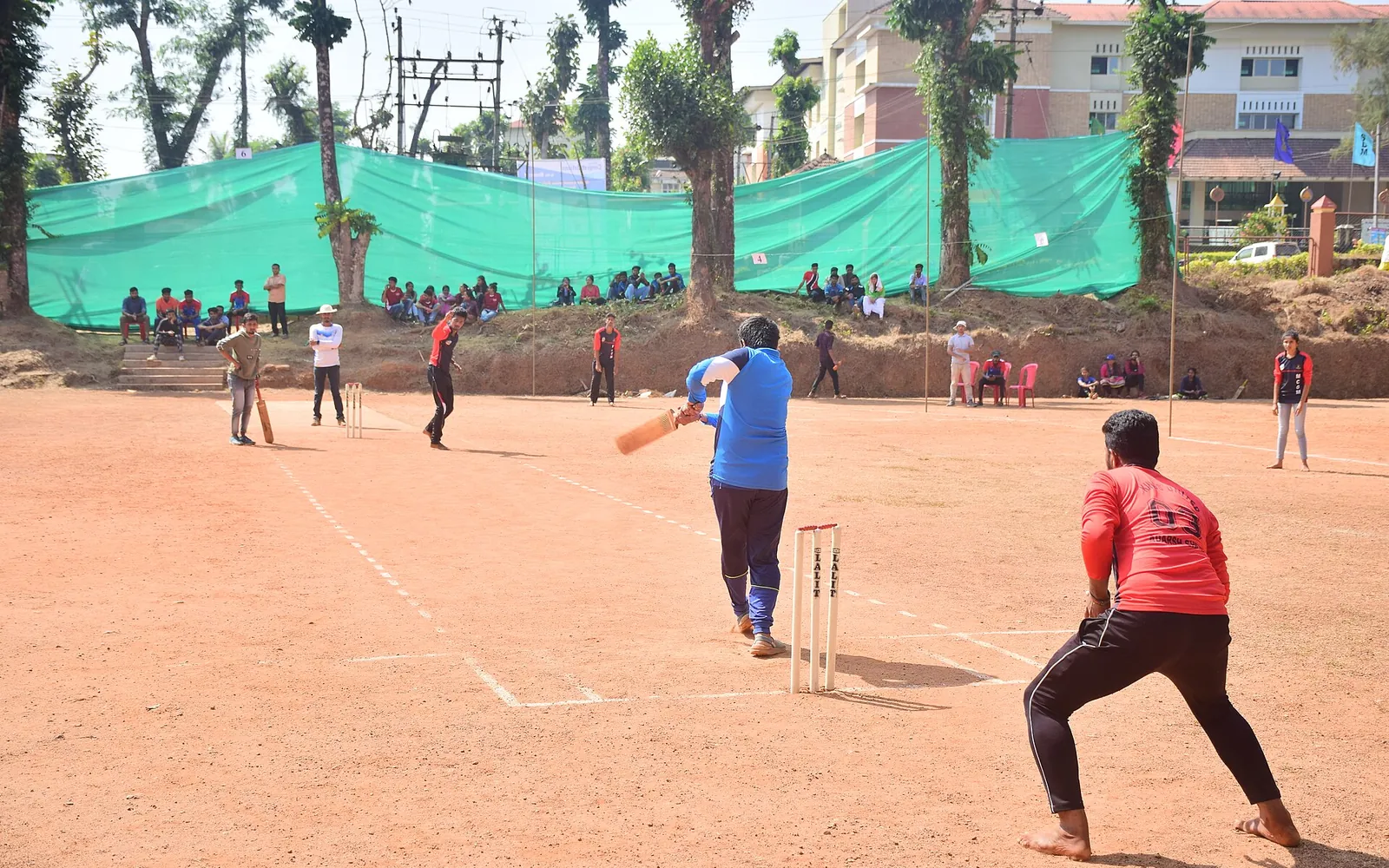
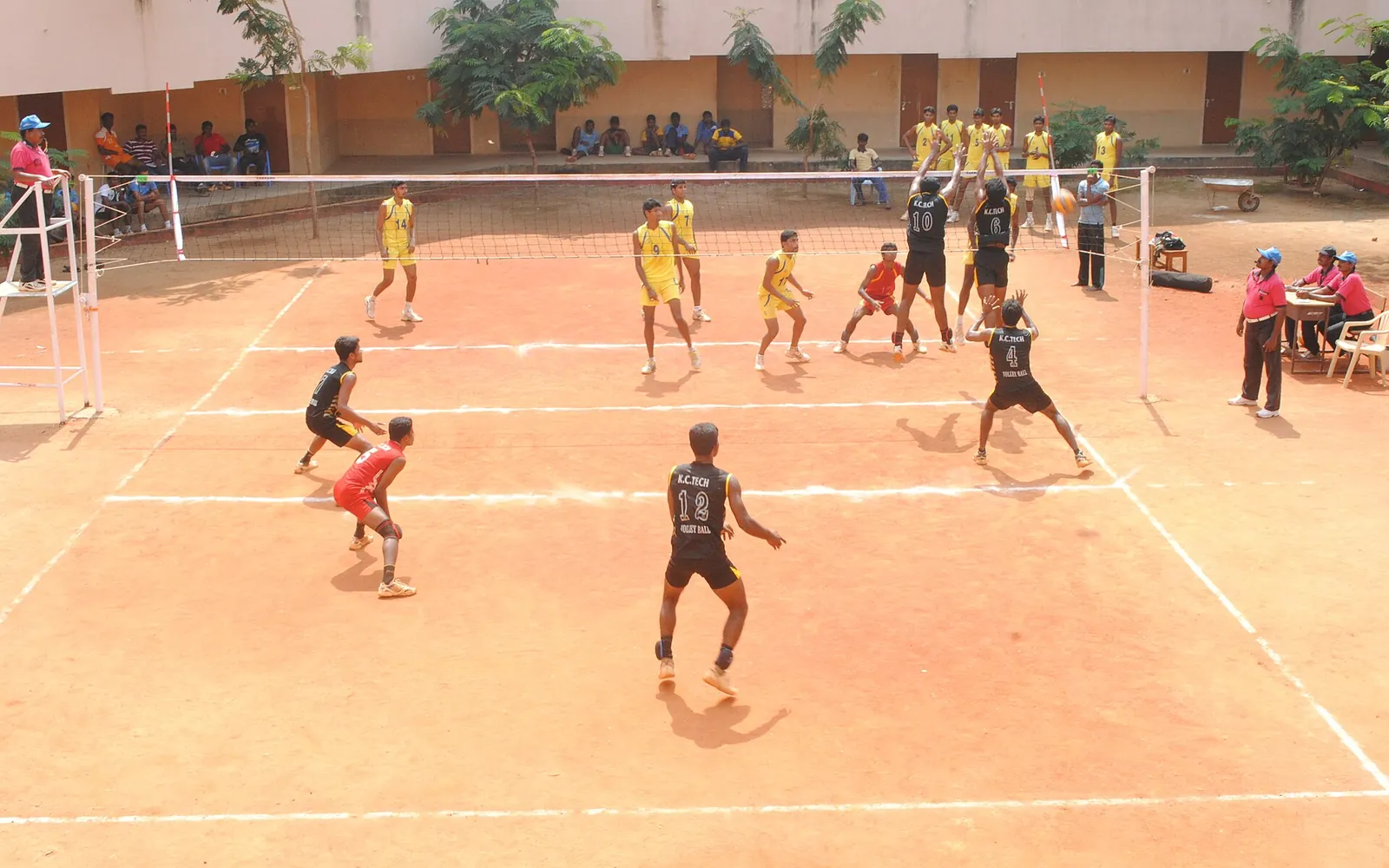
Anyone who has played cricket on an open ground in Kota in May knows the heat is not a minor inconvenience. Kota’s pre-monsoon summer, roughly from April to June, brings fierce sun, hot winds and warm nights, and heatwaves are common across Rajasthan. Playing sports in Kota heat can be done safely, but it needs planning by players, parents and coaches. This guide explains when to train, how to drink properly, how to spot heat exhaustion and heat stroke, what first aid to give, and what to expect from academies and camps.
This is general safety guidance, not medical advice. If you have a health condition or take regular medicine, ask your doctor how heat affects you.
Why heat is dangerous in sport
Exercise produces heat inside the body. Normally sweat evaporates and cools you. When the air is very hot, the sun is strong and you keep exercising, the body can heat up faster than it cools. Dehydration makes this worse because you sweat less. The result can range from cramps and exhaustion to heat stroke, which can damage the brain and organs and can be fatal without fast treatment.
Children, beginners, overweight players, anyone unwell or recovering from illness, and people new to Kota who are not used to the heat are at higher risk.
When to train
- Best: early morning, before the sun is high.
- Second best: after sunset, though the ground and air stay warm.
- Avoid: late morning to late afternoon from April to June for hard outdoor work.
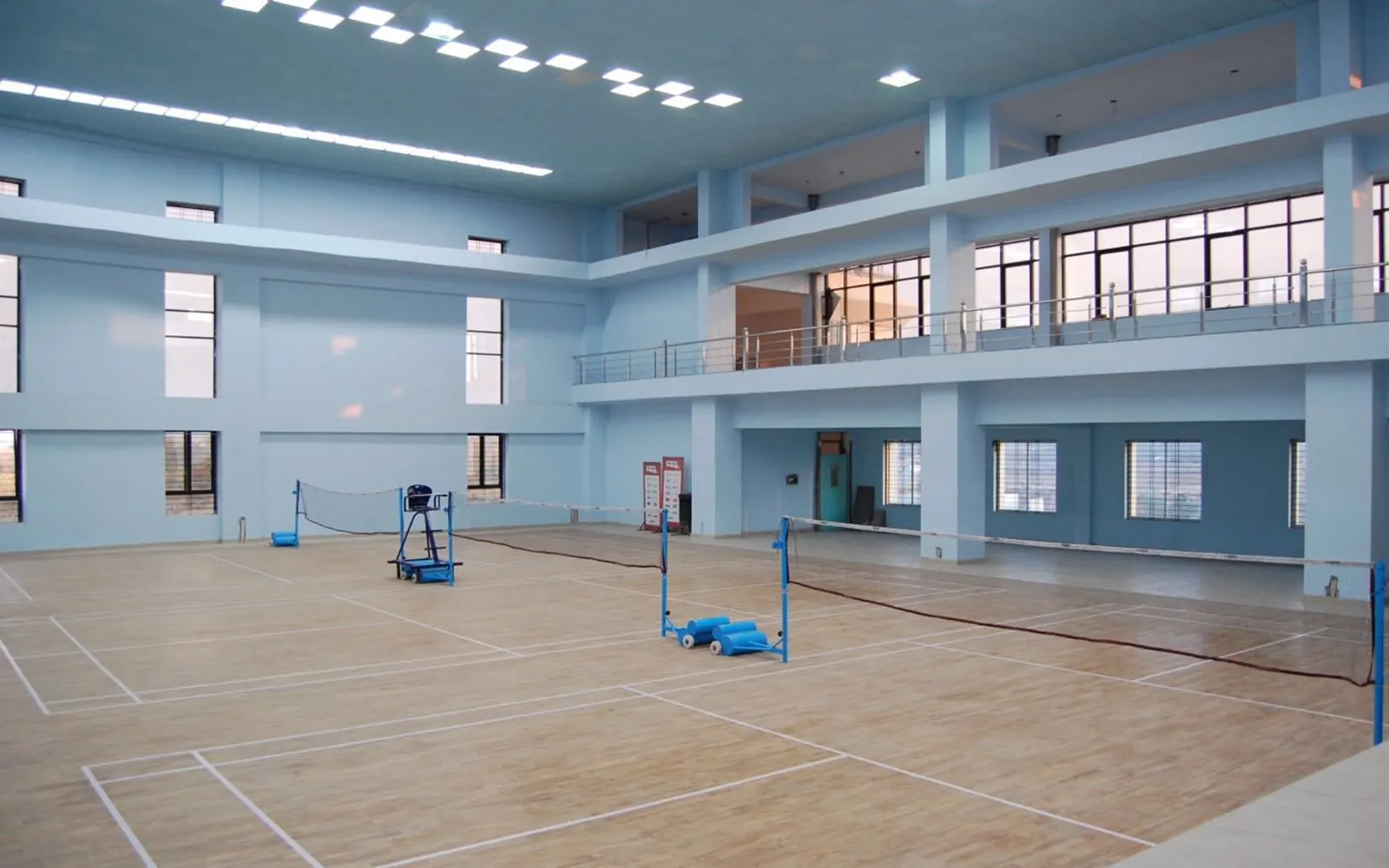
- Indoors: badminton halls, table tennis rooms and gyms can also get very hot. Check ventilation and fans.
Check the day’s forecast and any heat warning from the India Meteorological Department before planning outdoor sessions. On days with severe warnings, move training indoors or cancel it.
Getting used to the heat
The body adapts to heat over one to two weeks of gradual exposure. If you have just arrived in Kota, are returning after a break, or are starting a summer camp, begin with shorter, lighter sessions and build up. Do not judge yourself against players who have trained through the season.
Drinking enough
- Drink water in the hour before training.
- Sip regularly during training, ideally at a break every 15 to 20 minutes.
- Drink again afterwards. Pale yellow urine means you are well hydrated; dark urine means you need more.
- In long sessions or tournaments, oral rehydration solution (ORS) or a drink with a little salt and sugar helps replace minerals lost in sweat.
- Avoid relying on sugary fizzy drinks or energy drinks.
Kit and clothing
Wear light-coloured, loose, breathable clothing, a cap or hat for outdoor sports, and sunscreen on exposed skin. Cricketers in pads and helmets, and hockey goalkeepers in full kit, get hot quickly; take the helmet off at breaks and rotate wicketkeepers. See our Kota sports gear guide for kit tips.
Warning signs and first aid
Heat cramps: painful muscle cramps during or after exercise. Stop, rest in shade, stretch gently and drink fluids with some salt.
Heat exhaustion: heavy sweating, pale or clammy skin, tiredness, weakness, headache, dizziness, nausea, fast pulse. Move the person to a cool, shaded place, lay them down with legs slightly raised, loosen clothing, cool the skin with water and fanning, and give water or ORS to sip. They should start to feel better within about 30 minutes. If not, treat it as heat stroke. (NHS guidance)
Heat stroke: an emergency. Confusion, slurred speech, strange behaviour, fainting or collapse, seizures, very hot skin, and sometimes no sweating. Call 108 (ambulance) or 112 immediately. While waiting, move the person to shade, remove excess clothing and cool them as fast as possible with water, wet cloths and fanning, especially on the neck, armpits and groin. Do not give drinks to someone who is confused or unconscious.
What coaches, academies and camps should do
Parents can ask any academy or summer sports camp in Kota about its heat policy. A good one will:
- schedule outdoor sessions at cool times and move indoors when needed,
- build in shaded drinks breaks and make drinking water freely available,
- shorten and lighten sessions during heatwaves,
- reduce intensity for new or returning players,
- have a coach trained in first aid, and know the nearest hospital,
- cancel outdoor training on severe heat-warning days.
Our beginner’s guide to joining a sports academy in Kota lists more questions to ask.
Water is not a place to cool off
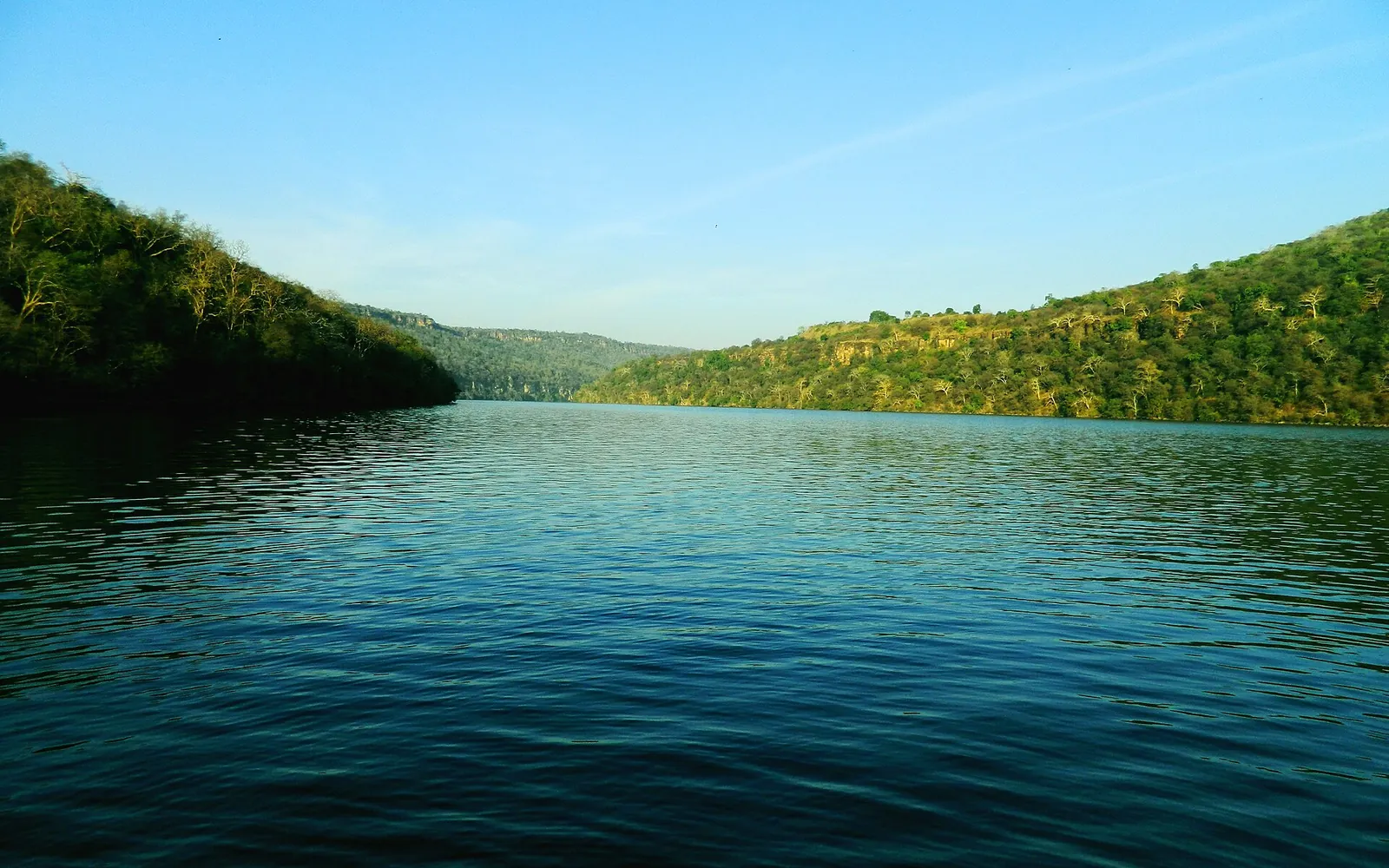
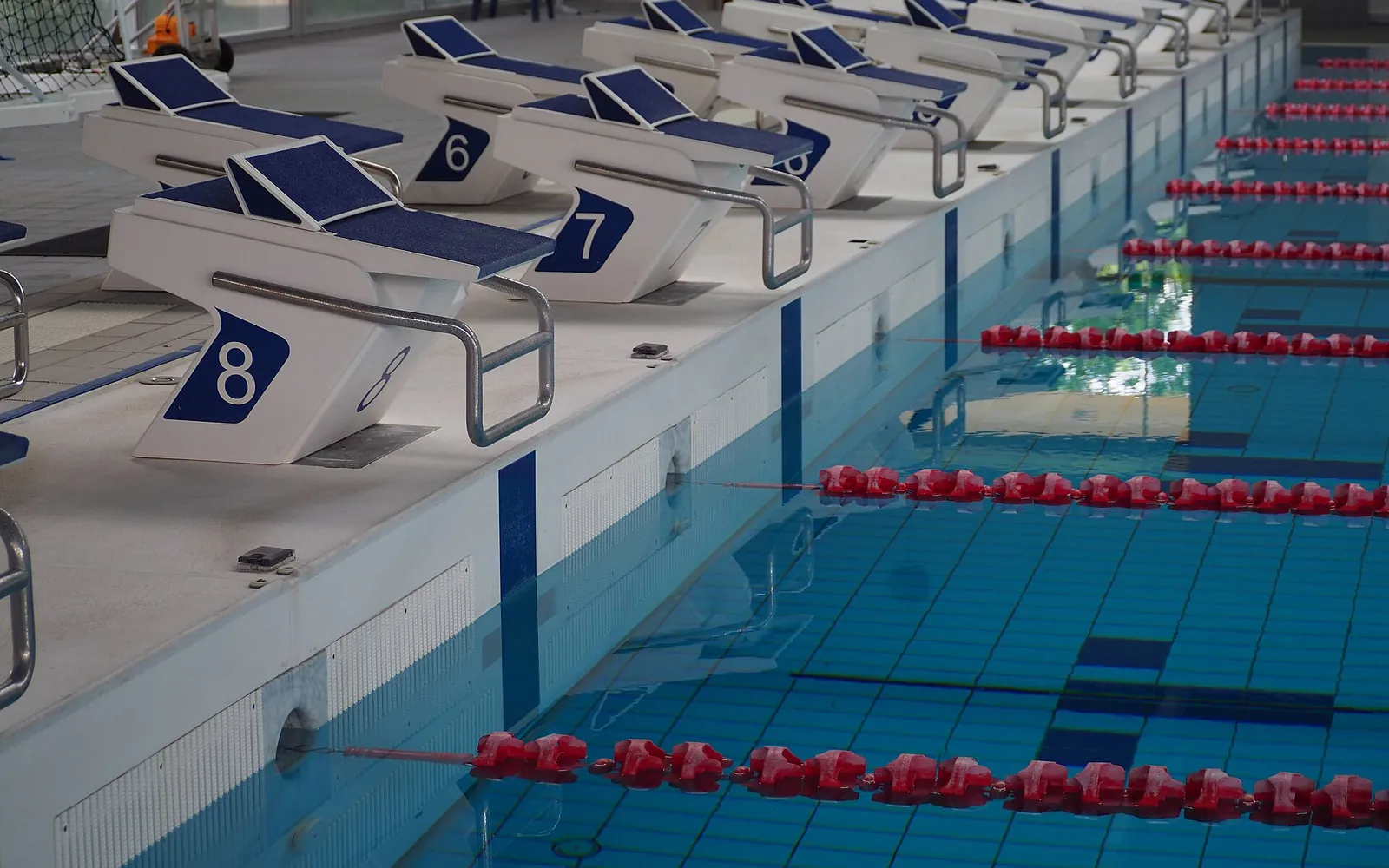
On hot days, the Chambal River, canals and ponds can look tempting. They are dangerous because of currents, sudden depth changes and hidden obstacles. Cool off only in supervised swimming pools in Kota, and read our guide to swimming in Kota for water safety.
Sport-specific tips
- Cricket: limit long spells for fast bowlers, rotate fielders out of full sun, and use drinks breaks. See cricket in Kota.
- Running: run before sunrise, shorten distances and slow your pace. See places to run in Kota.
- Football and hockey: use rolling substitutions and shorter halves in friendly games.
- Indoor sports: keep doors and windows open, use fans and still take breaks.
Endurance training and indoor classes in summer
Long-distance running and cycling carry the highest heat risk because they keep you exposed for longest. If you are training for a race, plan the main build-up for the cooler months, keep summer runs short and at first light, and focus on maintaining fitness rather than adding distance; our guide to marathon training in Kota explains how to plan the year. Indoor classes are not automatically safe either: crowded halls during boxing or Zumba sessions can become very hot. Choose ventilated or air-conditioned spaces, take breaks and drink water.
How to check current information
- Heat warnings: India Meteorological Department and local news.
- Heatwave preparedness: the National Disaster Management Authority publishes heatwave guidance.
- Academy and camp policies: ask the coach directly before enrolling.
- Health advice: your doctor, especially for children, older players and anyone with a medical condition.
Frequently asked questions
What time is safe for outdoor sport in Kota's summer?
Early morning, before the sun is high, and after sunset are the safest times. Avoid hard outdoor exercise from late morning to late afternoon in April, May and June, and on any day the India Meteorological Department issues a heat warning.
How much water should players drink?
Drink before training, sip regularly during it, and drink again afterwards. Needs vary with body size and sweat rate. Pale yellow urine is a good sign; dark urine means drink more. In long sessions, drinks with some salt and sugar, such as ORS, can help replace what is lost in sweat.
What is the difference between heat exhaustion and heat stroke?
Heat exhaustion causes heavy sweating, tiredness, headache, dizziness and nausea, and usually improves within 30 minutes of rest, cooling and fluids. Heat stroke is more serious: confusion, slurred speech, fainting, seizures or very hot skin. It is a medical emergency; call 108 or 112.
Should summer camps and academies stop training in a heatwave?
They should move sessions indoors or to cooler times, shorten them, add breaks and cancel outdoor training during severe heat warnings. Parents should ask the academy what its heat policy is.
Are children more at risk from heat?
Yes. Children may not notice or say when they are overheating, and they often keep playing. Adults should schedule breaks, make sure they drink, and watch for warning signs.
Should I run long distances in Kota in summer?
It is safer to keep summer runs short and very early, and to save long runs and races for the cooler months from about October to February. Carry water, slow down and stop if you feel dizzy or sick.
Sources
Editorial team
The Kota Sports team writes and updates these guides to sport in Kota, Rajasthan, checking facts against official sources and saying clearly where readers need to confirm details with a venue or organiser.