Sports in Kota
Boxing classes in Kota: a beginner's guide to choosing a gym
Written by Kota Sports Editorial Team · Updated
Boxing classes in Kota appeal to very different people: students looking for a hard workout between study hours, teenagers who want to compete, and adults who want fitness and confidence. You will find boxing taught in gyms, fitness studios, martial arts clubs and some sports complexes, often as “fitness boxing” or kickboxing rather than competitive boxing. This guide explains the types of class, what a good coach does, what gear to buy, how sparring should be handled, and the safety rules that matter most.
We do not name gyms or publish fees and timings, because they change and we cannot verify them. Instead, use the checklists below, watch a class and ask for the terms in writing.
Fitness boxing or competitive boxing?
Fitness boxing. Skipping, shadow boxing, footwork drills, bag work and pad work with a coach or partner, plus circuits for strength and core. There is no sparring. This is the right choice for most beginners, students and adults who simply want to get fit.
Competitive (amateur) boxing. Technique work plus controlled sparring, then bouts and trials. Amateur boxing is an Olympic sport. Internationally, Olympic boxing is now organised by World Boxing. In India, recognised national sports federations are listed by the Ministry of Youth Affairs and Sports. If competition is your goal, ask the club which state and national body it is linked to and how its boxers enter recognised championships.
Kickboxing and mixed classes. Many studios teach kickboxing or a mix of punches and kicks. These are covered in our wider guide to martial arts classes in Kota.
What a good beginner class looks like
A typical session runs roughly in this order:
- Warm-up. Skipping, jogging on the spot, mobility for shoulders, hips and ankles.
- Stance and footwork. How to stand, move forward, back and sideways without crossing your feet.
- Basic punches. Jab, cross, hooks and uppercuts, first in the air, then on pads or a bag.
- Defence. Guard position, slips, blocks and moving out of range. A good coach teaches defence early, not as an afterthought.
- Conditioning. Rounds on the bag, core work, push-ups and similar.
- Cool-down. Stretching and breathing.
Beginners should never be thrown into sparring in their first weeks. If a gym does that, look elsewhere.
How to judge a boxing coach
Ask:
- How long have you coached, and have your boxers competed in recognised championships?
- How do you introduce sparring, and who decides when someone is ready?
- How do you match sparring partners (weight, experience, age)?
- Is there first aid on site? What happens if someone takes a hard blow to the head?
- How are children supervised, and can parents watch?
Then watch. Good signs: the coach watches everyone, corrects technique constantly, stops sparring the moment it gets out of control, and treats beginners with patience. Warning signs: heavy sparring for newcomers, mocking people who get tired, ignoring head knocks, or pushing supplements and expensive packages.
Gear: what to buy first
- Hand wraps. Cloth wraps support your wrist and knuckles inside the glove. Learn to wrap your hands properly in the first class.
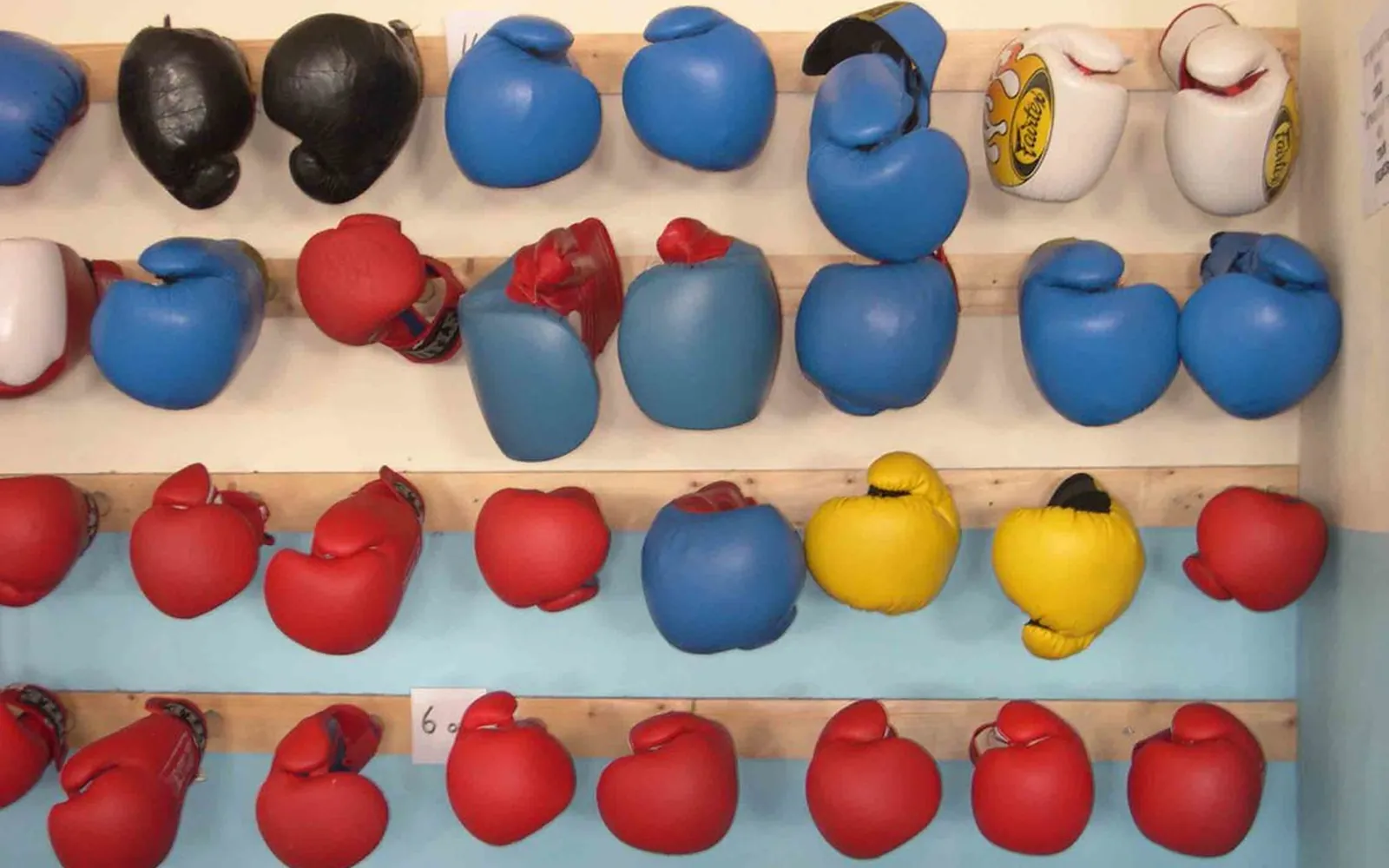
- Gloves. Weight is measured in ounces. Lighter gloves suit smaller people and bag work; heavier gloves are used for sparring by bigger people. Ask your coach which weight to buy for your size and use rather than guessing.
- Mouth guard. Essential for any sparring.
- Headgear. If you will spar, ask what the gym requires.
- Shoes. Light shoes with good grip on the gym floor. Running shoes are fine to start; see how to choose sports shoes.
Many gyms have shared gloves for trial classes. For hygiene, buy your own wraps and gloves once you decide to continue, and air them after every session.
Sparring and head injury: the most important safety rule
Sparring carries a real risk of head injury. The NHS guidance on concussion lists symptoms such as headache, dizziness, feeling sick, confusion, memory problems and changes in vision. Anyone who has these symptoms after a blow to the head should stop training immediately and see a doctor; seek emergency help (call 112) if symptoms are severe or getting worse.
Sensible sparring rules:
- beginners spar only after months of technique work, and only lightly;
- partners are matched by weight and experience;
- mouth guards and the required headgear are always worn;
- the coach watches every round and stops it early if needed;
- nobody spars while injured, unwell or exhausted.
For other injuries, such as wrist and shoulder strains, see our guide to sports injury treatment in Kota.
Boxing in Kota’s heat
Boxing gyms can be hot and crowded, especially from April to June. Train at cooler times, keep a water bottle at hand, take breaks between rounds and stop if you feel dizzy, sick or stop sweating. Our guide to playing sports in Kota’s heat explains heat illness and what to do.
Boxing for students and girls
For students, two or three short sessions a week fit well around study; see the fitness routine for Kota students for how to balance training and study. Boxing and fitness boxing are also popular with girls and women. Ask whether the gym runs women-only batches or has women coaches, and read our guides to sports for girls in Kota and self-defence classes for women in Kota.
Fees and extra costs to ask about
Ask for a written list of: monthly or package fees, joining fee, trial classes, gear you must buy, competition entry and travel, and the refund rule if you stop. Short summer courses are a cheap way to try; see summer sports camps in Kota. If the gym is part of a general fitness centre, the checks in our gym in Kota guide also apply.
Conditioning between classes
Most boxing classes include some fitness work, but what you do between classes makes a big difference to how long you can keep good technique in a round.
- Skipping: the classic boxer’s drill for rhythm, light feet and stamina. Start with short intervals; our skipping rope workout for beginners gives a 4-week plan.
- Aerobic base and intervals: easy running or cycling plus short, hard efforts that copy the length of rounds. Our guide to how to improve stamina for sports explains how to build this safely.
- Warm-up: shoulders, wrists, hips and ankles take a lot of load in boxing. A proper routine, like the one in warm-up exercises before sports, should come before pad work or bag work.
- Rest and sleep: hard sessions on consecutive days without enough sleep make injuries more likely. Keep at least one full rest day a week.
Ask your coach before adding extra conditioning, especially if you are preparing for sparring or competition.
How to check current information
- Classes, fees and timings: contact the gym, watch a class and ask for written terms.
- Recognised bodies: the Ministry of Youth Affairs and Sports list of national sports federations.
- Government coaching, trials and district events: the district sports office and the Rajasthan State Sports Council.
Frequently asked questions
How can I improve my stamina for boxing?
Build an easy aerobic base with running, cycling or skipping, then add short, hard intervals that match the length of rounds, with rest in between. Increase gradually, keep at least one full rest day a week and sleep well. Your coach can fit this around technique sessions.
Is boxing good for beginners with no fitness background?
Yes, if the class is pitched at beginners. Most sessions start with skipping, shadow boxing and pad or bag work, which you can do at your own pace. Tell the coach about any health conditions before you start.
At what age can children start boxing?
Many clubs take children for non-contact technique and fitness classes. Sparring for children should be light, closely supervised and only after months of technique work. Ask the coach how they handle contact for each age group.
Do I need to spar to learn boxing?
No. Fitness boxing classes use pads, bags and drills without sparring. Sparring is only needed if you want to compete, and it should always be optional and controlled.
What size boxing gloves should I buy?
Glove weight is measured in ounces. Lighter gloves are used for bag and pad work by smaller people and heavier gloves for sparring by larger people. Ask your coach which weight the gym uses for your size before buying.
What is the difference between boxing and kickboxing?
Boxing uses punches only. Kickboxing adds kicks and sometimes knees, and is usually taught in martial arts or fitness studios. The safety checks in this guide apply to both.
Sources
Editorial team
The Kota Sports team writes and updates these guides to sport in Kota, Rajasthan, checking facts against official sources and saying clearly where readers need to confirm details with a venue or organiser.