Gear and buying guides
How to choose sports shoes: a buying guide for players in Kota
Written by Kota Sports Editorial Team · Updated
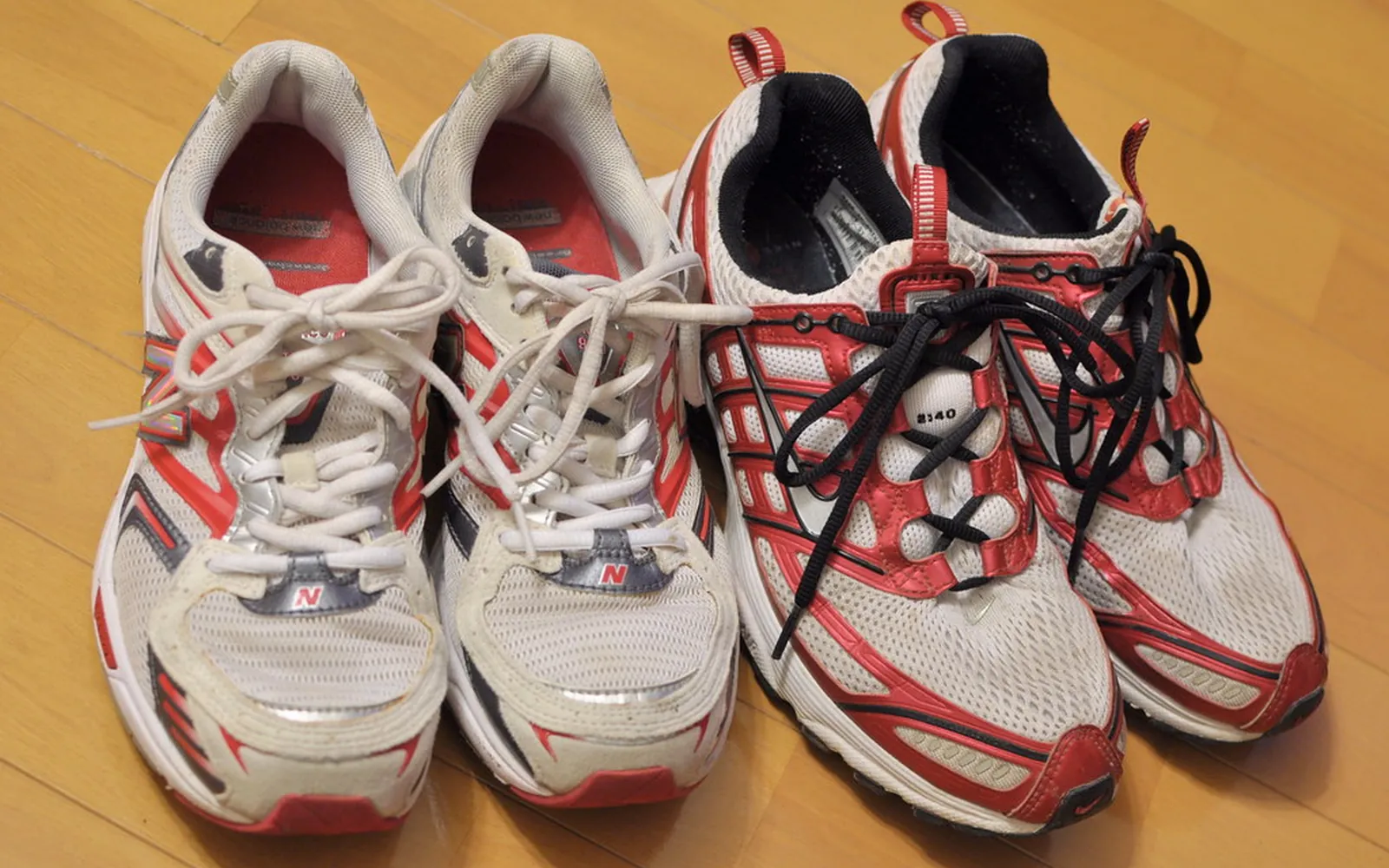
Knowing how to choose sports shoes saves money and prevents a surprising number of injuries. A pair that is right for running can be wrong for a badminton court; a size that felt fine in the shop can blister after a week of nets; and a worn-out pair can quietly cause shin or knee pain. In Kota, where players move between hot outdoor grounds, wooden indoor courts and synthetic turf, the right shoe for the surface matters even more. This guide explains the main types, how to check fit properly, how to buy for children and when to replace. We do not recommend brands or shops; fit and suitability matter more than the label.
Start with the sport
Orthopaedic guidance from the American Academy of Orthopaedic Surgeons (OrthoInfo) is simple: if you play a sport more than twice a week, buy a shoe designed for that sport. If you do many different activities, a cross-training shoe can be a reasonable compromise.
Running and walking shoes
Built for repeated forward movement, with cushioning in the heel and forefoot and a flexible front. Good for road and track running, walking and general fitness. Not good for sports with lots of sideways movement. If you are starting to run, see our places to run in Kota guide for where to go and a beginner plan.
Court shoes
Designed for stability in all directions, with a lower, flatter sole and grippy rubber that does not mark floors. Use them for badminton, table tennis, volleyball, basketball and squash. Indoor wooden courts need a non-marking sole; many halls insist on it. Our badminton in Kota guide explains how coaching batches and halls work.
Cricket shoes
Cricket shoes come with metal spikes for turf grounds, rubber studs for hard or mixed surfaces, or flat soles for indoor nets and box cricket. Fast bowlers usually need more support and grip than batters. Ask your coach what suits your ground. For box cricket on artificial turf, see our box cricket in Kota guide; and for the rest of the kit, our first cricket bat guide.
Football boots
Studs are matched to the surface: firm-ground studs for natural grass, shorter multi-studs or “turf” soles for artificial turf and hard ground. Wearing long studs on hard, dry Kota grounds can increase the risk of ankle and knee injuries. Our football in Kota guide covers where people play.
Other sports
Tennis shoes are a type of court shoe with tougher soles for hard courts. Kabaddi and wrestling are often played in light, flexible shoes or barefoot depending on the event rules. Skating, swimming and martial arts have their own requirements; ask your coach.
How to try shoes on properly
OrthoInfo’s fitting advice is worth following step by step:
- Shop late in the day or after exercise, because feet swell during the day.
- Wear the socks you play in.
- Try both shoes and lace them fully.
- Check the heel: it should be held firmly without slipping as you walk.
- Check the toes: leave at least half an inch, roughly a thumb’s width, between your longest toe and the front of the shoe. Your toes should never feel cramped.
- Move in them: walk on different surfaces, jog a few steps and, for court shoes, try quick side-to-side movements.
- Ignore “they will stretch”: a sports shoe should feel comfortable from the start.
If you buy online, measure your feet in the evening, check the brand’s size chart and make sure the seller allows easy returns. Our general sports gear buying guide covers buying in Kota’s shops versus online.
Buying for children
Children’s feet grow fast, so check the fit every few months. Leave a little growing room, but not so much that the foot slides inside the shoe, which causes blisters and trips. Lightweight, well-fitting shoes are better than expensive ones with features a beginner does not need. For children starting coaching, ask the coach what is required before buying; our beginner’s guide to sports academies has a kit checklist.
Heat, dust and care
Kota’s heat and dust are hard on shoes.
- Air shoes after every session and let them dry naturally, away from direct sun, which can crack glue and soles.
- Use separate shoes for indoor courts so that dust and grit do not ruin the grip or the floor.
- Change socks daily and keep feet dry to avoid fungal infections in hot months.
- Clean dust off the uppers and soles with a dry brush or damp cloth.
When to replace
Shoes wear out from the inside before they look old. Replace them when:
- The tread is worn smooth, especially under the ball of the foot.
- The midsole shows deep creases or feels flat and hard.
- The heel counter has collapsed or the shoe leans to one side on a flat surface.
- You notice new aches in your feet, shins, knees or hips.
For runners, OrthoInfo explains that the lifespan of a running shoe depends on body weight and mileage, and that the cushioning material starts to break down well before the upper looks worn. Many regular runners replace shoes every few hundred kilometres. If pain continues after changing shoes, see a doctor or physiotherapist; our sports injury treatment guide explains where to start.
Common mistakes
- Buying running shoes for badminton or basketball.
- Choosing by brand, colour or price rather than fit.
- Wearing match shoes for daily walking, which wears out the grip.
- Keeping shoes long after the cushioning has gone.
- Buying a child’s shoes several sizes too big to “grow into”.
Football boots and where to buy
Football boots are a special case because the right studs depend on the surface: TF for short artificial turf, AG for longer 3G turf, FG for firm natural grass and SG for wet grass. Wearing long studs on turf is a common cause of slips and knee strain; read football boots for turf before buying. For dance fitness classes such as Zumba, choose indoor shoes with a smoother sole that lets you pivot. When buying any sports shoes, try them in person, check the MRP and get a bill with the exchange policy; our guide to sports shops in Kota has a full checklist.
How to check current information
Models and prices change constantly, so we do not list them. Ask your coach for sport-specific advice, try several pairs in person where you can, and keep the receipt in case the fit turns out to be wrong after the first few sessions.
Frequently asked questions
Can I use running shoes for badminton?
It is not ideal. Running shoes are built for straight-line movement and often have soft, high heels, which can make it easier to roll an ankle when lunging sideways. Court shoes with a low, grippy sole suit badminton, table tennis, volleyball and basketball better.
How should sports shoes fit?
Snug at the heel, roomy at the toes, with about half an inch (roughly a thumb's width) between your longest toe and the front of the shoe. Your toes should never feel cramped. Try both shoes, with the socks you play in, later in the day when feet are slightly larger.
How often should I replace sports shoes?
It depends on use and body weight. Replace them when the tread is worn smooth, the midsole looks creased and flat, the heel has collapsed or you notice new aches in your feet, shins or knees. Regular runners often need new shoes after several hundred kilometres.
What shoes should a child wear for sports coaching?
A well-fitting, lightweight shoe suited to the sport, with a little growing room but not so big that the foot slides. Check the fit every few months, because children's feet grow quickly.
Should cricket shoes have spikes or rubber soles?
It depends on the surface. Spikes grip on turf, especially for fast bowlers, while rubber-studded shoes suit hard, dusty or mixed grounds, nets and box cricket. Ask your coach what suits your ground and role.
Do I need different shoes for turf football?
Yes, ideally. Turf (TF) shoes with many small rubber studs suit short artificial turf, while firm ground (FG) boots are for natural grass. Our football boots for turf guide explains each soleplate.
Sources
Editorial team
The Kota Sports team writes and updates these guides to sport in Kota, Rajasthan, checking facts against official sources and saying clearly where readers need to confirm details with a venue or organiser.