Gear and buying guides
How to choose a badminton racket: a beginner's buying guide
Written by Kota Sports Editorial Team · Updated
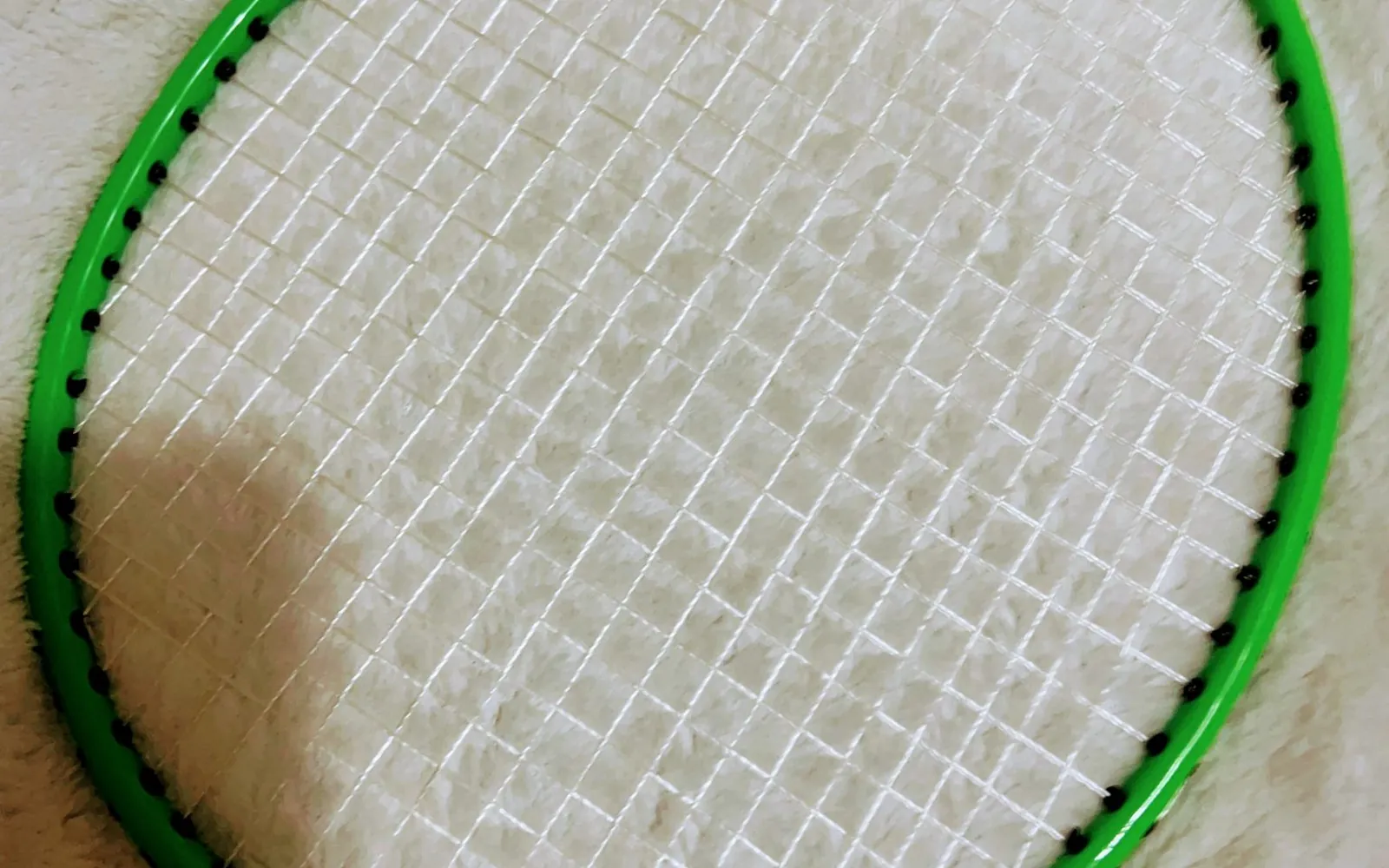
If you have just joined a coaching batch or started weekend games with friends, the first piece of real equipment you will buy is a racket, and knowing how to choose a badminton racket saves both money and sore elbows. Shop shelves and websites are full of numbers and terms: 3U, 4U, G5, head-heavy, stiff shaft, 30 pounds. This guide explains what they mean in plain language and gives a simple rule of thumb for beginners, parents buying for children and improving club players in Kota. We do not recommend brands or models; the right racket is the one that suits your body, level and style.
What the rules allow
The Laws of Badminton set the outer limits: a racket frame may not be more than 680 mm long or 230 mm wide, and the strung area may not exceed 280 mm by 220 mm. Every normal racket sold for badminton meets these limits, so you do not need to measure. What differs between rackets is weight, balance, stiffness, grip and strings, and those are what you feel when you play.
Weight: the U numbers
Most rackets weigh roughly 70 to 95 grams without strings. Many manufacturers mark weight with a “U” class: the higher the number, the lighter the racket. As a rough guide, 3U frames are in the high 80s of grams, 4U in the low 80s and 5U in the high 70s, but exact ranges vary by brand, so check the maker’s chart.
- Lighter (4U, 5U): faster to swing and easier on the arm and shoulder. Good for beginners, children, doubles and fast defence.
- Heavier (3U, 2U): more stable and powerful on smashes and clears, but tiring for beginners and harder to control.
For most adult beginners, a 4U or 3U racket is a sensible start. Children usually need a lighter, and often shorter, junior racket.
Balance: head-heavy, even or head-light
Balance describes where the weight sits along the racket.
- Head-heavy: more weight in the head. Adds power to smashes and clears; slower to move at the net and in defence; harder on the arm.
- Even balance: an all-round feel, good for learning all strokes.
- Head-light: more weight towards the handle. Quick at the net and in defence, easy to manoeuvre, but with less natural power.
Beginners usually do best with an even or slightly head-light racket while they build technique. Players who mostly attack in singles often move to head-heavy rackets later.
Shaft flex: flexible or stiff
- Flexible shafts bend more and give a little extra power with slower, less refined swings. They are forgiving and suit beginners and intermediate players.
- Stiff shafts give precise control and fast response, but only for players with fast, well-timed swings. With a beginner’s swing, a stiff racket feels dead and can strain the arm.
Grip size
Grip sizes are marked with a “G” number, and on many brands a higher number means a thinner handle. Many players in India use thinner grips and build them up with an overgrip or towel grip, which is useful in Kota’s humid monsoon and sweaty summer halls. The test is simple: you should be able to hold the racket relaxed, change between forehand and backhand grips easily and not squeeze hard to stop it turning.
Strings and tension
Strings matter almost as much as the frame. Tension is usually given in pounds.
- Lower or moderate tension gives a bigger “sweet spot” and more forgiveness, which suits beginners.
- Higher tension gives more control for advanced players with fast swings, but feels harsh to beginners and increases the strain on the elbow and shoulder.
- Do not exceed the maximum tension printed on the frame; it can damage the racket.
- Restring when strings break or lose tension. Regular players notice when shots start to feel dull.
Ask the stringer or your coach for a suitable tension for your level, and say if you have had elbow or shoulder pain. Our sports injury treatment guide covers common badminton overuse problems.
Materials and price
Most modern rackets are made from carbon fibre composites; cheaper rackets may use aluminium or steel in the frame or shaft. Aluminium and steel rackets are heavier and less responsive but are tough, which makes them fine for casual play and young children. For a beginner joining coaching, a mid-range carbon racket from a reputable maker is usually a good balance of performance and durability. An expensive professional racket will not make a beginner play better; often the opposite.
Buying for children
- Choose a junior or lightweight racket that the child can swing with control.
- Avoid adult head-heavy rackets, which strain young arms and teach bad habits.
- Ask the coach before buying; many academies have recommendations for their batches. Our beginner’s guide to sports academies explains what to expect.
Avoiding fakes and poor buys
Copies of popular rackets are common. Buy from established shops or the brand’s authorised sellers, be wary of very low prices for premium models, check the printing, finish and labels, and keep the bill. Our sports gear buying guide has more on buying in Kota’s shops versus online.
The rest of your kit
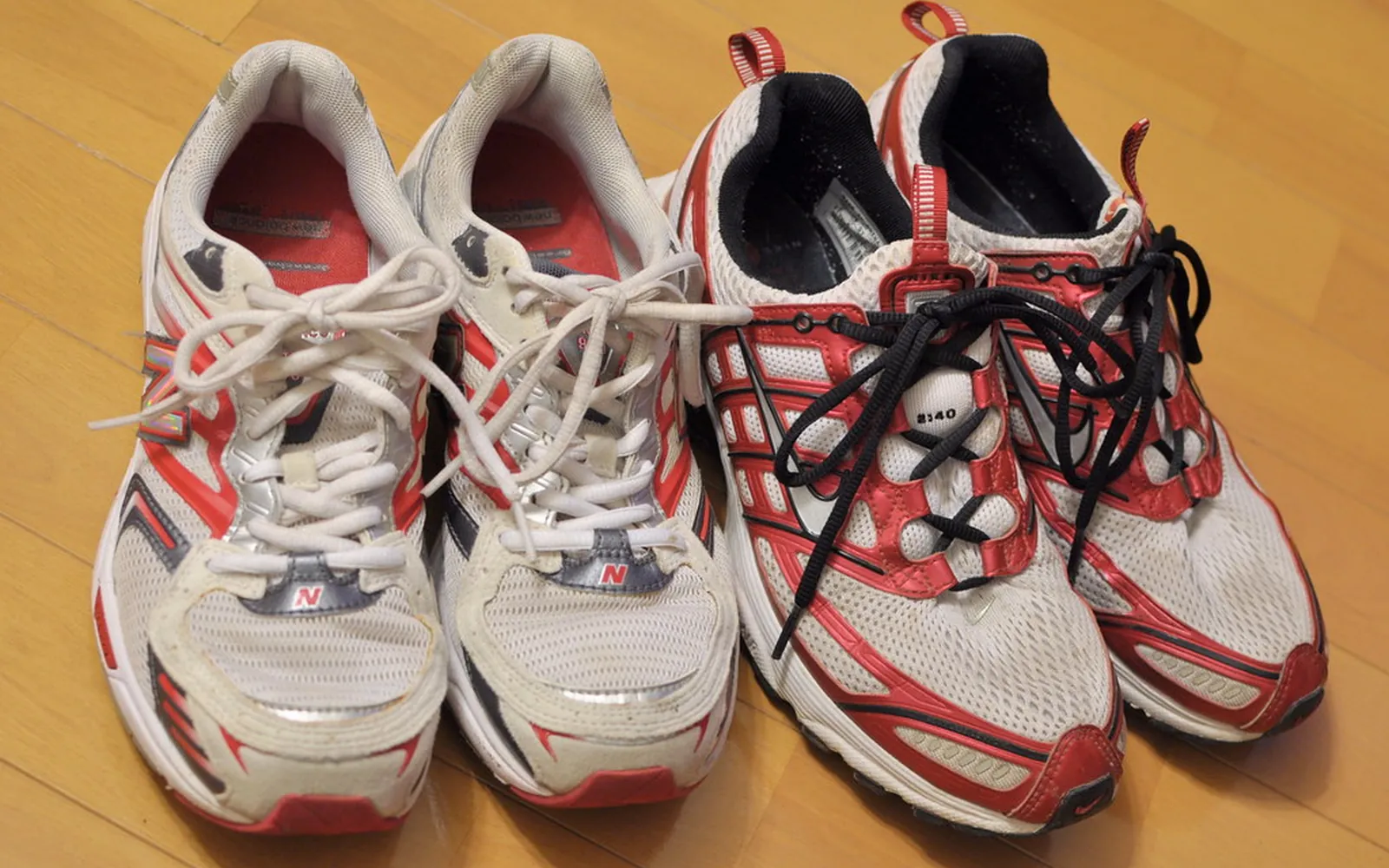
Good court shoes matter as much as the racket for preventing ankle injuries; see how to choose sports shoes. You will also need shuttles (feather or nylon, depending on your batch), a bag to protect the racket from heat and a water bottle.
Learn the rules and footwork as well as the racket
A good racket helps, but beginners improve fastest by learning the basics of the game. Knowing the service rules matters from the first coaching session: the serve must be hit below the service height, diagonally into the correct court, and many beginners lose points to service faults. Our guide to badminton rules for beginners explains scoring, serving, court lines and common faults.
Footwork and stamina come next. Long rallies need quick, light feet and the ability to repeat short bursts; a skipping rope workout builds both, and a few minutes of shadow footwork to the four corners makes a good part of your warm-up before playing. Shoulders, wrists and elbows take a lot of strain from a new racket, so build up practice time gradually.
Where to play and learn
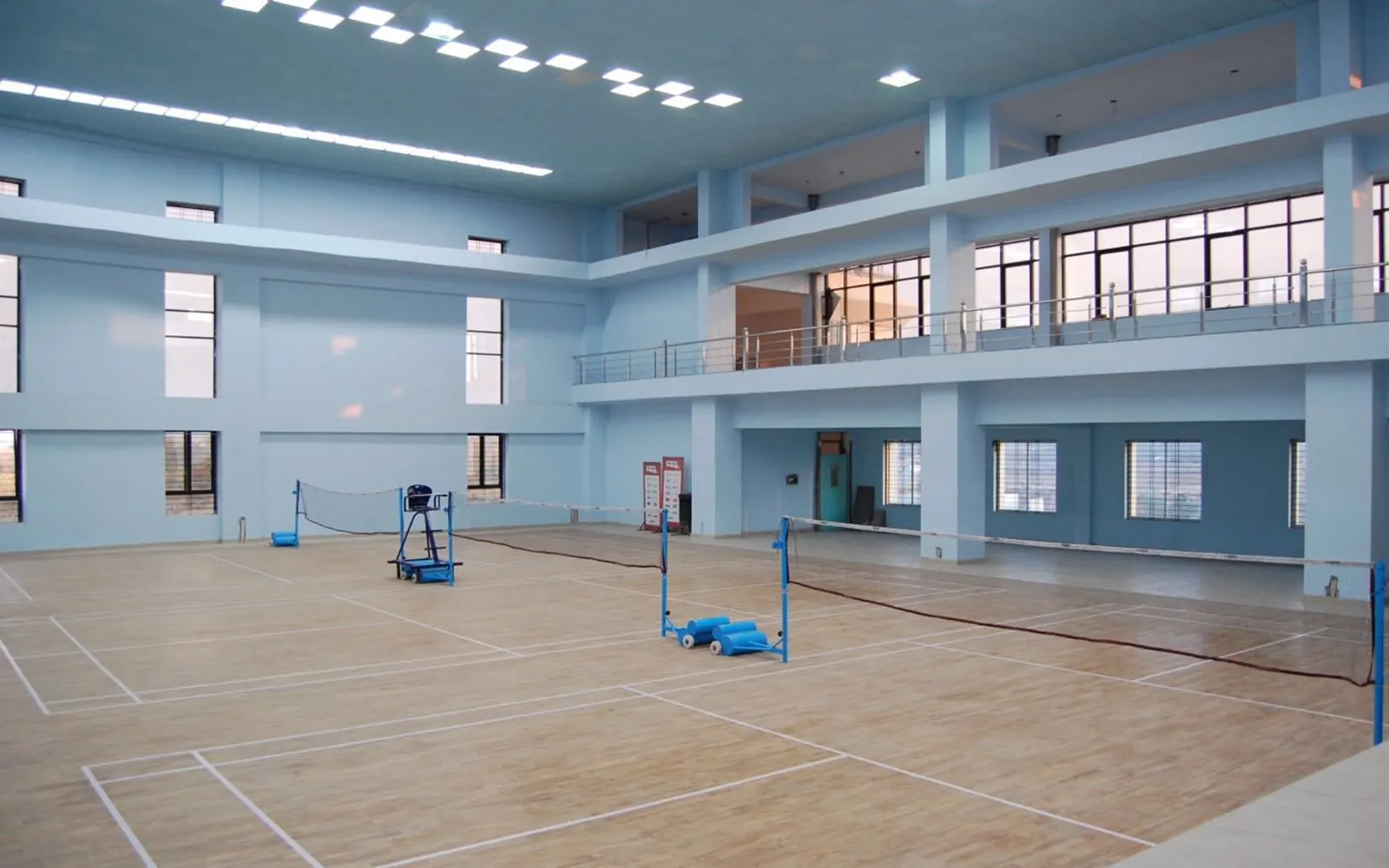
Once you have a racket, our badminton in Kota guide explains coaching batches and court hire, and best places to play badminton in Kota explains how to choose a court. Keep your first racket until your coach suggests an upgrade; technique improves results far more than equipment.
Frequently asked questions
How should I store a badminton racket in Kota's heat and monsoon?
Keep it in a cover or bag, away from direct sun, hot vehicles and damp places. Strong heat can weaken strings and frames, and humidity can make grips slippery and mouldy. Wipe the grip after sweaty sessions and replace overgrips when they wear.
What is the best badminton racket for a beginner?
There is no single best model. Look for a light to medium weight (often labelled 4U or 3U), an even or slightly head-light balance, a flexible or medium shaft, a comfortable grip and a reputable seller. Ask your coach and, if you can, try a friend's racket first.
What do 3U and 4U mean on a badminton racket?
They are weight classes used by many manufacturers. A higher number means a lighter racket: 4U frames are lighter than 3U, which are lighter than 2U. Exact gram ranges vary slightly by brand, so check the maker's chart.
Should a beginner use a head-heavy racket?
Usually not. Head-heavy rackets add power to smashes but are slower to move and harder on the arm. Beginners generally do better with an even or head-light balance while they learn technique.
What string tension should a beginner use?
A moderate tension. Higher tension gives more control for players with good technique, but with a beginner's swing it reduces power and can strain the elbow and shoulder. Ask the stringer or your coach for a suitable range.
How do I avoid buying a fake racket?
Buy from established shops or the brand's authorised sellers, be suspicious of very low prices for premium models, check finish, printing and labels, and keep the bill. Ask your coach if something seems off.
Sources
Editorial team
The Kota Sports team writes and updates these guides to sport in Kota, Rajasthan, checking facts against official sources and saying clearly where readers need to confirm details with a venue or organiser.