Gear and buying guides
How to choose a table tennis bat: a beginner's guide
Written by Kota Sports Editorial Team · Updated
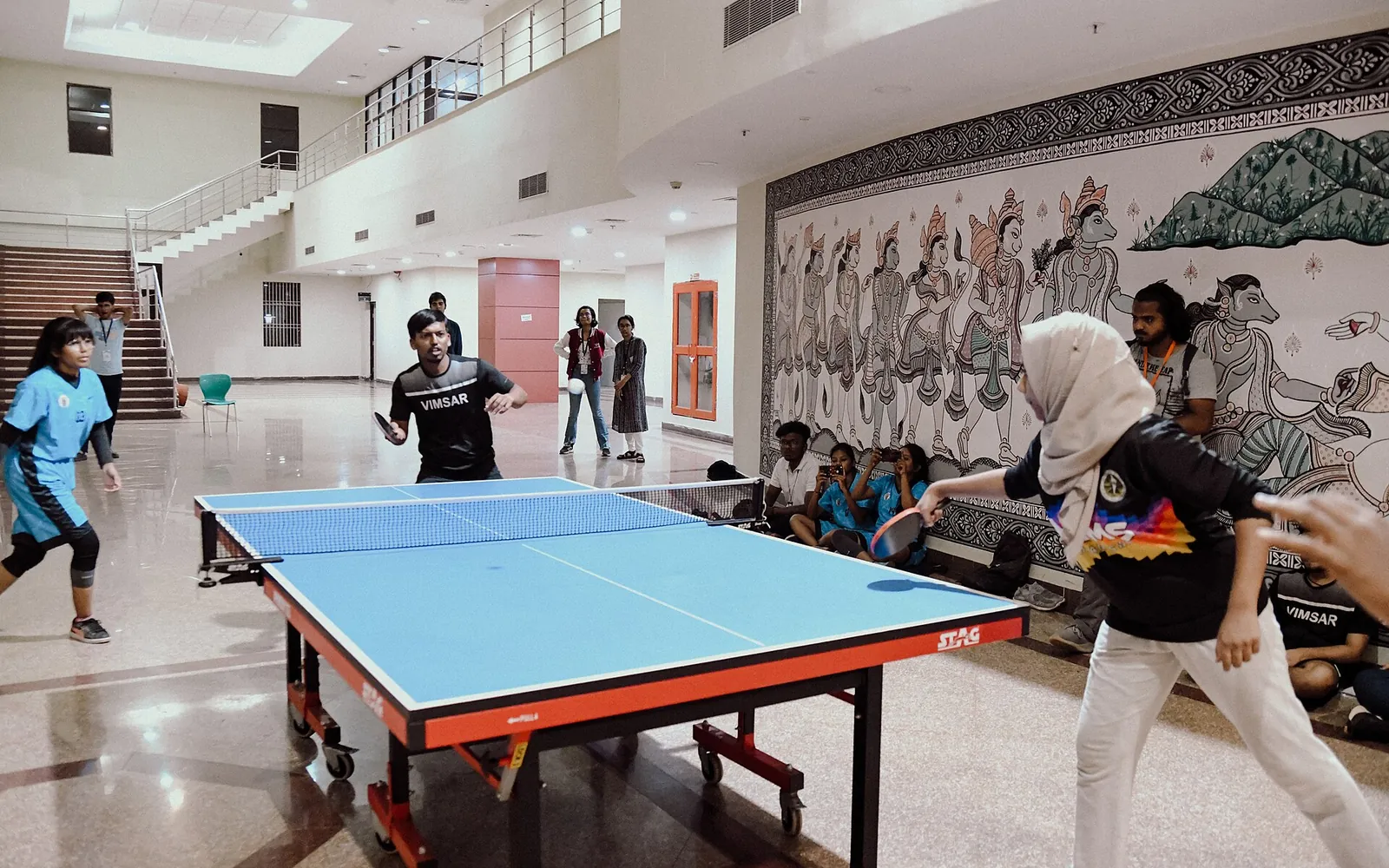
Table tennis is easy to start in Kota: many schools, clubs, societies, hostels and sports halls have a table, and a bat costs far less than most sports equipment. Choosing one is less easy. Shop shelves mix cheap recreational bats with professional blades and rubbers sold separately, and the terms (inverted, pimples-out, sponge thickness, speed ratings) can confuse beginners and parents. This guide explains how to choose a table tennis bat step by step, with the rules that matter if you play in competitions. We do not recommend brands or models; ask your coach and handle bats before buying.
Parts of a table tennis bat
- Blade: the wooden part, including the handle. Blades are made of layers (plies) of wood and sometimes carbon or other fibres. They differ in speed, weight and feel.
- Rubbers: the coverings on each side. Each rubber is a top sheet, usually with a sponge layer underneath.
- Handle: part of the blade; shapes vary.
You can buy a ready-made bat, with blade and rubbers already glued together, or a custom bat, choosing the blade and rubbers separately and assembling them.
Ready-made or custom?
Ready-made bats suit beginners, casual players and school players. Choose a reputable maker’s mid-range model, not the cheapest hard-plastic-feeling bats sold for occasional home play, which have little grip and teach poor technique.
Custom bats make sense once you play regularly, a coach knows your style and you want a specific change, such as more spin on the forehand or more control on the backhand. Many players stay with an all-round custom set-up for years.
Choosing the blade
- Control or all-round blades are slower and give more feel. They help you learn strokes, spin and placement. This is the right starting point for nearly everyone.
- Offensive blades are faster and stiffer, often with carbon layers. They reward strong, well-timed strokes but punish mistakes.
- Weight: a lighter bat is easier to move quickly; a heavier one feels more stable. Extremes are rarely helpful for beginners.
The rules require the blade to be at least 85 percent natural wood by thickness, which normal blades meet.
Choosing rubbers
Types of rubber
- Smooth inverted: the pimples face inwards and the surface is smooth and grippy. Best for spin and the standard choice for beginners on both sides.
- Short pimples (pimples out): the pimples face outwards. Less spin, more direct, flatter hitting. Usually chosen later for a particular style.
- Long pimples and anti-spin: specialist defensive rubbers that change the opponent’s spin. Not for beginners.
Sponge thickness
Rubbers come with sponge of different thicknesses. Thicker sponge generally means more speed and spin; thinner sponge means more control. Medium thickness is a sensible start. The rules limit the total thickness of rubber and sponge, which normal rubbers meet.
Colours
For competitions, one side must be black and the other a bright colour clearly different from black and from the ball colour. Red is common; other approved colours exist. Recreational bats with two identical colours are not legal in competitions.
Approved rubbers
In official events, rubbers must be on the current approved list of the International Table Tennis Federation (ITTF) and show the approval marking. If your child is entering school, district or state events, ask the coach or organiser whether approved rubbers are required.
Handle shapes and grip
- Flared: wider at the end, so it does not slip; the most common choice.
- Straight: the same width along its length, easy to change grip with.
- Anatomic: wider in the middle to fit the palm.
- Penhold handles: shorter, for players who hold the bat like a pen.
Hold several shapes in the shop and pick one that feels secure without squeezing. A relaxed grip is essential for good technique, as coaches in table tennis in Kota batches will tell you.
Buying for children
- Choose a light, all-round ready-made bat.
- Some makers offer smaller handles for young children.
- Avoid adult offensive set-ups, which are too fast to control.
- Ask the coach before buying; the school or academy may have recommendations. Our guide to the best age to start sports for kids explains why fun and good basics come first.
Avoiding fakes and poor buys
Copies of popular rubbers and blades exist. Buy from established shops or authorised sellers, be wary of prices far below normal for premium items, check printing and approval markings, and keep the bill. Our guides to sports shops in Kota and buying sports gear in Kota cover this in more detail.
When to upgrade
Keep your first bat until a coach suggests a change. Good reasons to upgrade include playing several times a week, being able to produce consistent topspin on both wings, and finding that the bat limits a specific shot rather than your technique. Upgrade one thing at a time, often the forehand rubber first, so you can feel what changed. Jumping straight from a beginner’s bat to a fast carbon blade with thick rubbers usually makes control worse for months.
Caring for your bat
- Clean the rubbers after play with water or a rubber cleaner and a soft sponge, then let them dry.
- Use a case, ideally one that covers both sides, to keep dust off.
- Keep the bat out of heat. A closed car or a sunny windowsill in a Kota summer can damage rubbers and glue.
- Do not touch the rubber surface more than necessary; skin oils reduce grip.
- Replace rubbers when they lose grip after cleaning, crack or start to peel.
Next steps
Good footwork and stamina matter as much as equipment. Our skipping rope workout builds quick feet, and warm-up exercises before sports prepares your wrists and shoulders. Indoor shoes with non-marking soles help on hall floors; see how to choose sports shoes.
Frequently asked questions
What is the best table tennis bat for beginners?
There is no single best model. A well-made ready-made bat with an all-round or control blade and smooth inverted rubbers on both sides suits most beginners. Ask your coach before buying anything faster.
Should a beginner buy a ready-made or custom bat?
Usually ready-made, from a reputable maker. Custom bats, where you choose a blade and rubbers separately, make more sense once a coach can see your style and you know what you want to change.
Why does a table tennis bat have red and black rubbers?
Competition rules require the two sides to be different colours so the opponent can see which side you used. One side must be black and the other a bright colour that is clearly different from black and from the ball. Red is the most common choice.
What is sponge thickness and does it matter?
It is the layer of sponge under the rubber's top sheet. Thicker sponge generally gives more speed and spin; thinner sponge gives more control. Beginners usually do better with medium thickness.
How often should I replace table tennis rubbers?
When they lose their grip and spin even after cleaning, or when they are cracked or peeling. Regular players notice the change; casual players can use the same rubbers much longer.
Sources
Editorial team
The Kota Sports team writes and updates these guides to sport in Kota, Rajasthan, checking facts against official sources and saying clearly where readers need to confirm details with a venue or organiser.