Sports in Kota
Skipping rope workout for beginners: technique and a 4-week plan
Written by Kota Sports Editorial Team · Updated
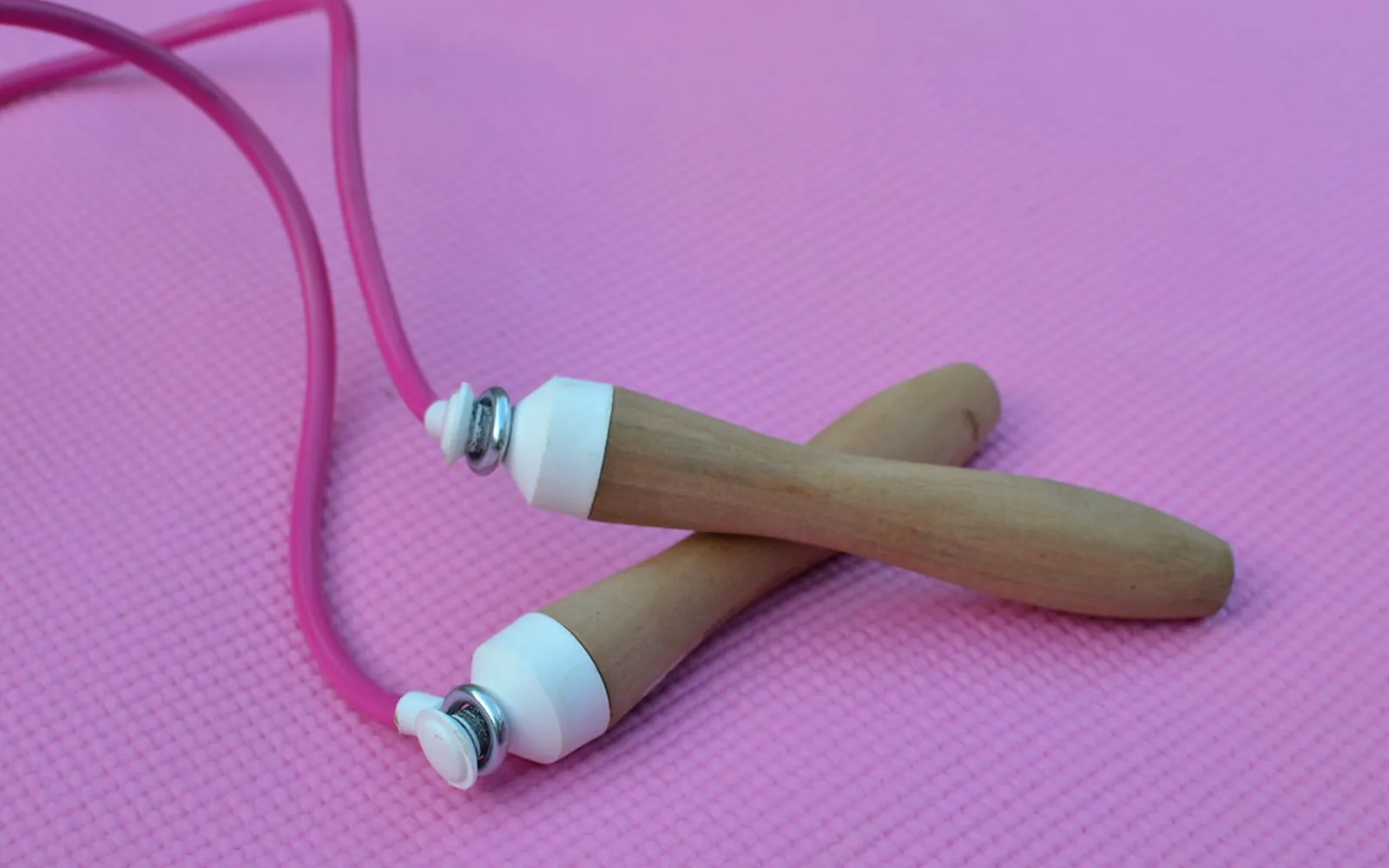
A skipping rope workout for beginners is one of the simplest ways to get fitter in Kota, whether you are a student in a hostel room with half an hour to spare or a young athlete who wants quicker feet. A rope costs little, fits in a bag and needs only a small space. It trains coordination, rhythm, calf strength and stamina at the same time, which is why boxers, badminton players and footballers use it. This guide covers choosing a rope, safe technique, the surface to skip on, a 4-week plan and the common mistakes that cause sore shins.
Choosing a rope
- Basic PVC or beaded ropes are cheap, durable and fine for beginners. Beaded ropes are slower and easier to time.
- Speed ropes with thin cables are for experienced skippers doing fast work; they are less forgiving and sting when they hit you.
- Weighted ropes add load to the arms and shoulders; leave them until basic skipping is easy.
- Handles should be comfortable to hold without squeezing hard.
Sizing: stand on the middle of the rope with one foot and pull the handles up. A common guide is that they should reach roughly to your armpits. If the rope keeps catching your feet, it may be too short; if it drags on the floor in front of you, it may be too long. Most ropes can be adjusted at the handles.
Where to skip
The surface matters more than people expect.
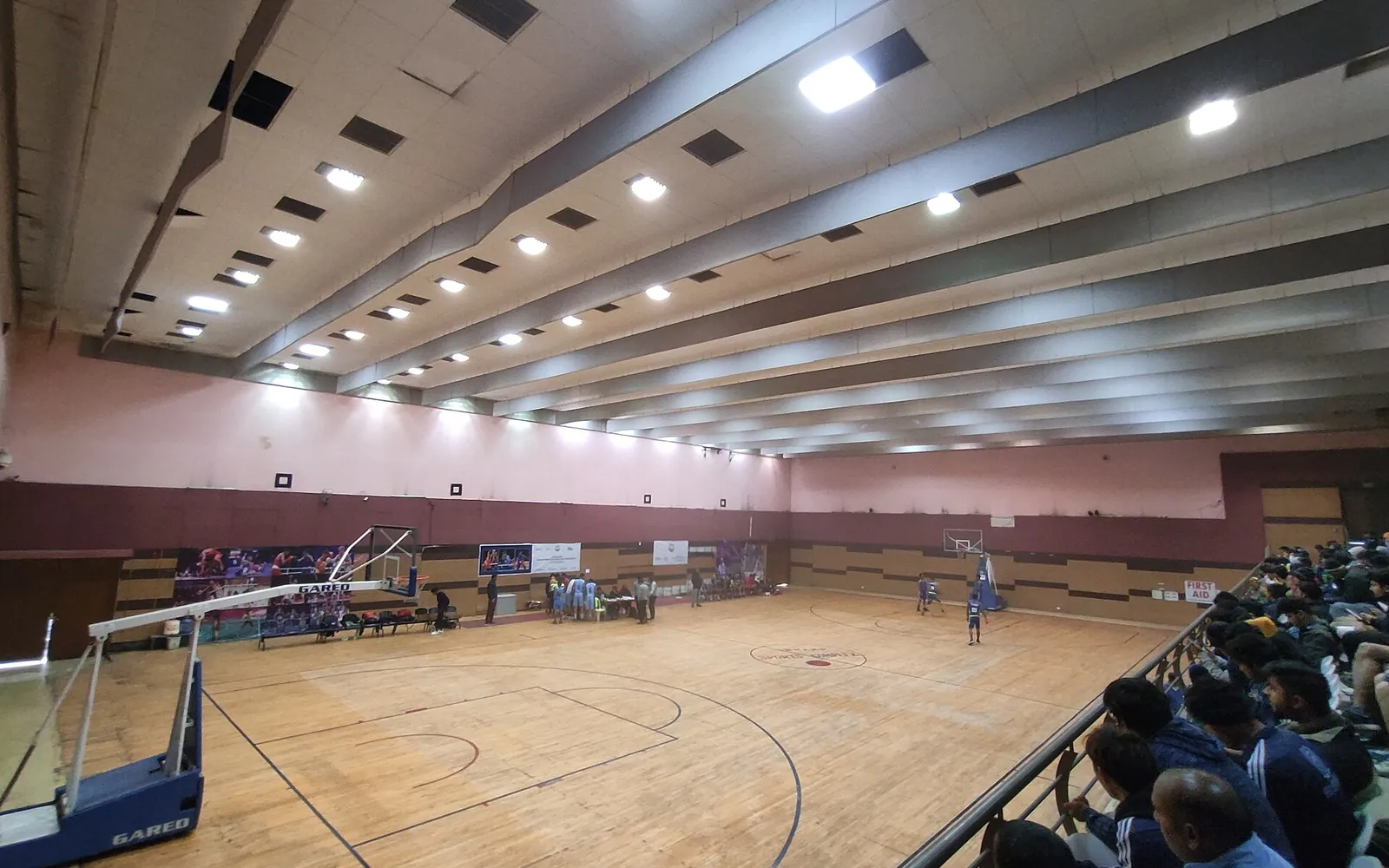
- Good: a wooden floor, a rubber gym floor, an exercise mat or a firm mat on a level floor.
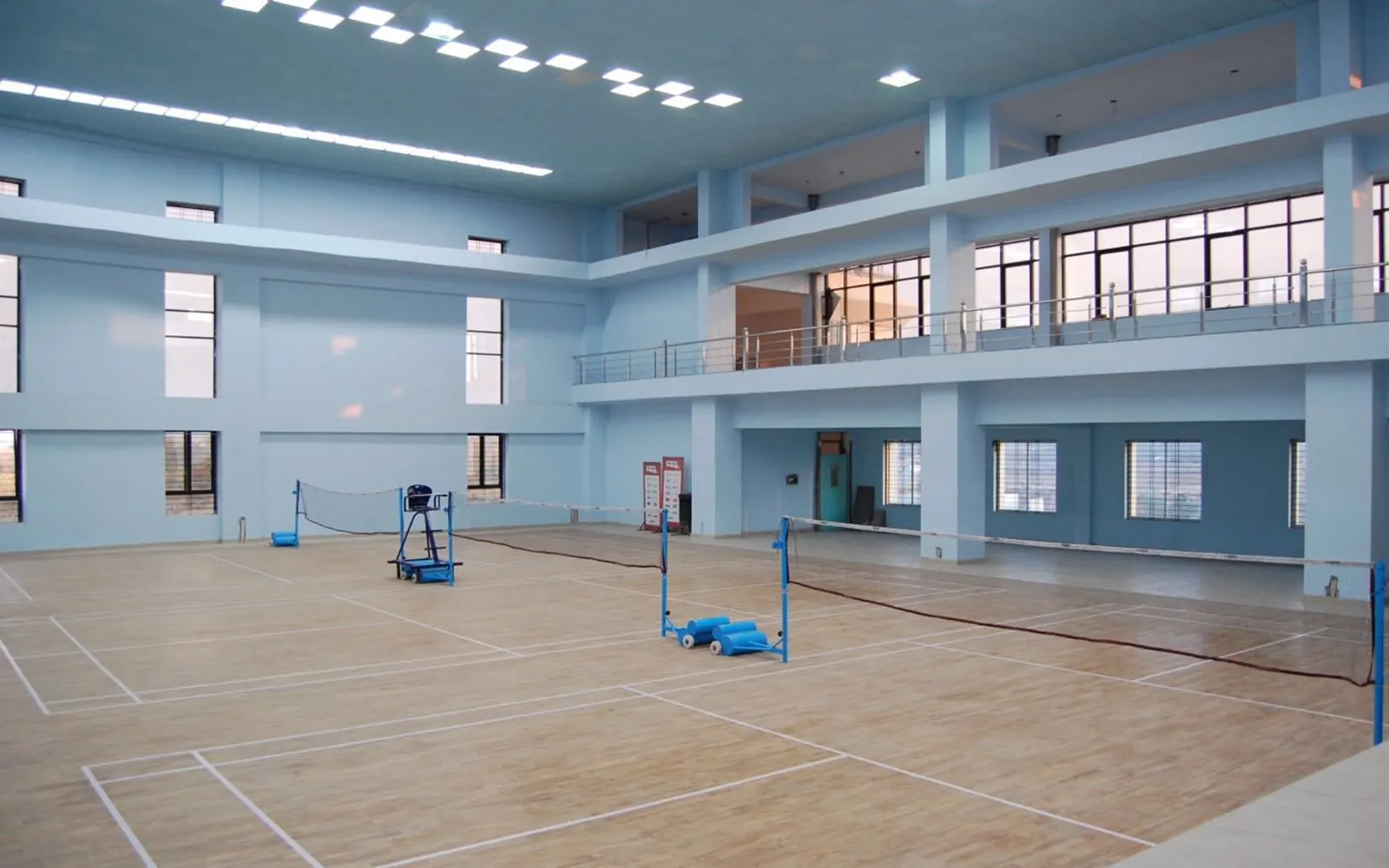
- Acceptable: smooth, packed earth or a sports court, as long as it is even.
- Avoid when starting: bare concrete, stone or tiled floors, which jar the shins and ankles, and slippery surfaces.
Check the ceiling height and the space around you; the rope needs room to pass overhead and to the sides. Indoors in a hostel or PG, a mat also protects the floor and reduces noise for people below. Outdoors in Kota, skip early in the morning or in the evening in summer, never in the afternoon heat; see our guide to playing sports in Kota’s heat.
Wear supportive shoes with cushioning under the forefoot; our guide to choosing sports shoes explains what to look for.
Basic technique
- Stand tall with your weight on the balls of your feet and knees soft.
- Keep elbows close to your sides with hands a little in front of the hips.
- Turn the rope with your wrists, not big arm circles.
- Jump low, only high enough for the rope to pass, a few centimetres.
- Land softly and quietly; loud landings usually mean you are jumping too high or landing on your heels.
- Breathe steadily and look ahead, not down at your feet.
If you cannot time the rope at first, practise the bounce without a rope, then hold both handles in one hand and swing the rope at your side while you bounce.
A 4-week beginner plan
Do this three days a week on non-consecutive days, after a short warm-up such as the one in our warm-up exercises before sports guide.
Week 1: 20 seconds skipping, 40 seconds rest, 6 to 8 rounds. Basic two-foot bounce only.
Week 2: 30 seconds skipping, 30 seconds rest, 8 rounds. Add a few rounds of alternate-foot steps (a light jog on the spot over the rope) if the basic bounce is easy.
Week 3: 40 seconds skipping, 20 to 30 seconds rest, 8 to 10 rounds. Try side-to-side and forward-back bounces for a few rounds.
Week 4: 45 to 60 seconds skipping, 30 seconds rest, 8 to 10 rounds. Mix footwork patterns.
If a week feels hard, repeat it. Finish each session with a gentle walk and calf and hamstring stretches. Mild calf stiffness is normal at first; sharp or worsening pain in the shins, ankles or knees is a sign to stop and rest, and to get it checked if it persists. Our sports injury treatment guide explains where to start.
Skipping for specific sports
- Boxing: rhythm and light feet are central; see our boxing classes in Kota guide.
- Badminton and tennis: quick split steps and recovery; pair skipping with on-court footwork.
- Football, kho kho and kabaddi: foot speed and change of direction; our kho kho in Kota guide explains the footwork that game needs.
- Running: skipping builds calf and foot strength; keep the volume small during heavy running weeks.
For students looking for an all-round plan, skipping fits neatly into the fitness routine for Kota students, and it is a useful building block when you want to improve stamina for sports.
Common mistakes
- Jumping too high, which tires you quickly and stresses the joints.
- Landing on the heels instead of the balls of the feet.
- Swinging the arms in big circles instead of turning with the wrists.
- Skipping on hard floors every day when starting.
- Doing long sessions too soon; the calves and shins need weeks to adapt.
- Skipping in the midday heat or without water nearby.
Tracking your progress
Skipping is easy to measure, which helps you stay motivated without overdoing it:
- Count continuous skips. Note how many you manage without a trip in week one, then test again every two weeks.
- Time your rounds. Record how many rounds of work and rest you completed and how you felt on a simple 1 to 10 effort scale.
- Watch your calves and shins. Mild tightness the next day is normal at first; sharp or worsening shin pain is a sign to rest and reduce volume.
- Progress one thing at a time. Add rounds, or shorten rest, or add a new footwork pattern, but not all three in the same week.
Skipping as part of a warm-up
Two or three minutes of easy skipping raises the heart rate and wakes up the feet before badminton, tennis, basketball or football. Use it as the first block of our warm-up exercises before sports, then move to sport-specific drills such as the badminton footwork drills. Basketball players will find the light, quick contacts useful for defensive footwork; see our basketball rules for beginners for the defending rules that reward good feet.
Who should check with a doctor first
Skipping is a vigorous, high-impact exercise. If you have a heart condition, high blood pressure, are significantly overweight, are pregnant, or have had joint, back or foot problems, ask a doctor or physiotherapist before starting, and consider lower-impact options such as brisk walking or cycling first. The World Health Organization’s guidance on physical activity, linked below, explains how much activity children and adults need each week.
Frequently asked questions
How long should a beginner skip each day?
Start with short intervals, for example 20 to 30 seconds of skipping followed by a rest, repeated a few times, for a total of a few minutes. Increase the total slowly over several weeks as your calves and shins adapt.
What length of skipping rope do I need?
A common guide is to stand on the middle of the rope with one foot; the handles should reach roughly to your armpits. Beginners often prefer a slightly longer rope, while experienced skippers use a shorter one for speed.
Is skipping bad for the knees?
For most healthy people, skipping with low, soft jumps on a forgiving surface is well tolerated. Hard surfaces, high jumps, poor shoes and doing too much too soon raise the risk of shin, ankle and knee pain. If you have a joint problem, ask a doctor or physiotherapist first.
Can I skip in a hostel room or PG?
Often yes, if the ceiling is high enough for the rope and you use a mat to protect the floor and reduce noise. Check with the warden or owner, and skip at a reasonable hour so you do not disturb neighbours below.
Which sports benefit from skipping?
Boxing, badminton, tennis, football, basketball, kabaddi and kho kho all use the quick, light footwork and rhythm that skipping trains. It is also a useful warm-up and conditioning tool for runners.
Can I skip every day?
Beginners usually do better with a rest or easy day between skipping sessions while the calves, shins and feet adapt. Once short daily sessions feel easy, many people skip most days, but reduce the volume if you feel shin or Achilles pain.
Sources
Editorial team
The Kota Sports team writes and updates these guides to sport in Kota, Rajasthan, checking facts against official sources and saying clearly where readers need to confirm details with a venue or organiser.