Stadiums, grounds and pools
Box cricket in Kota: booking a turf and playing safely
Written by Kota Sports Editorial Team · Updated
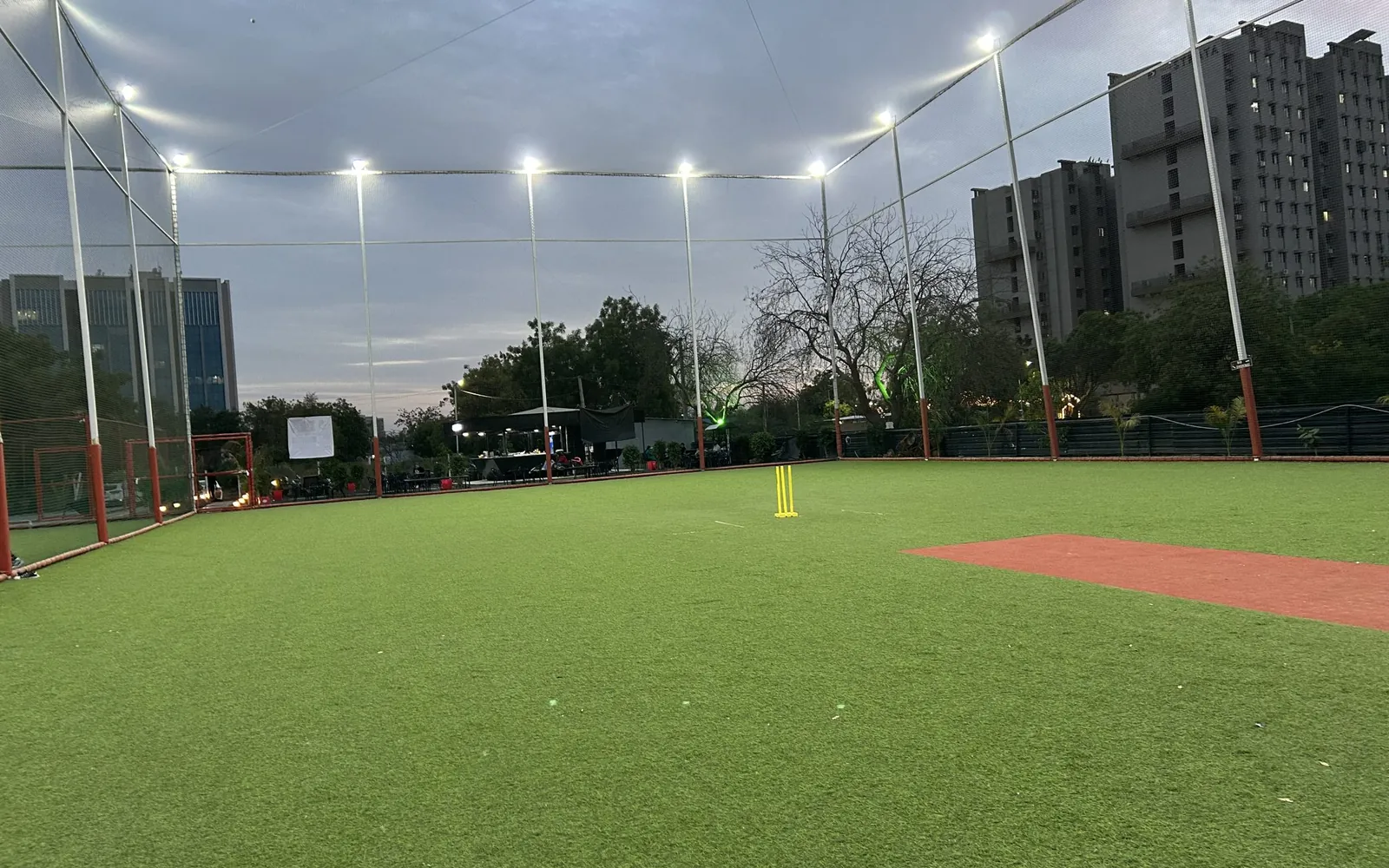
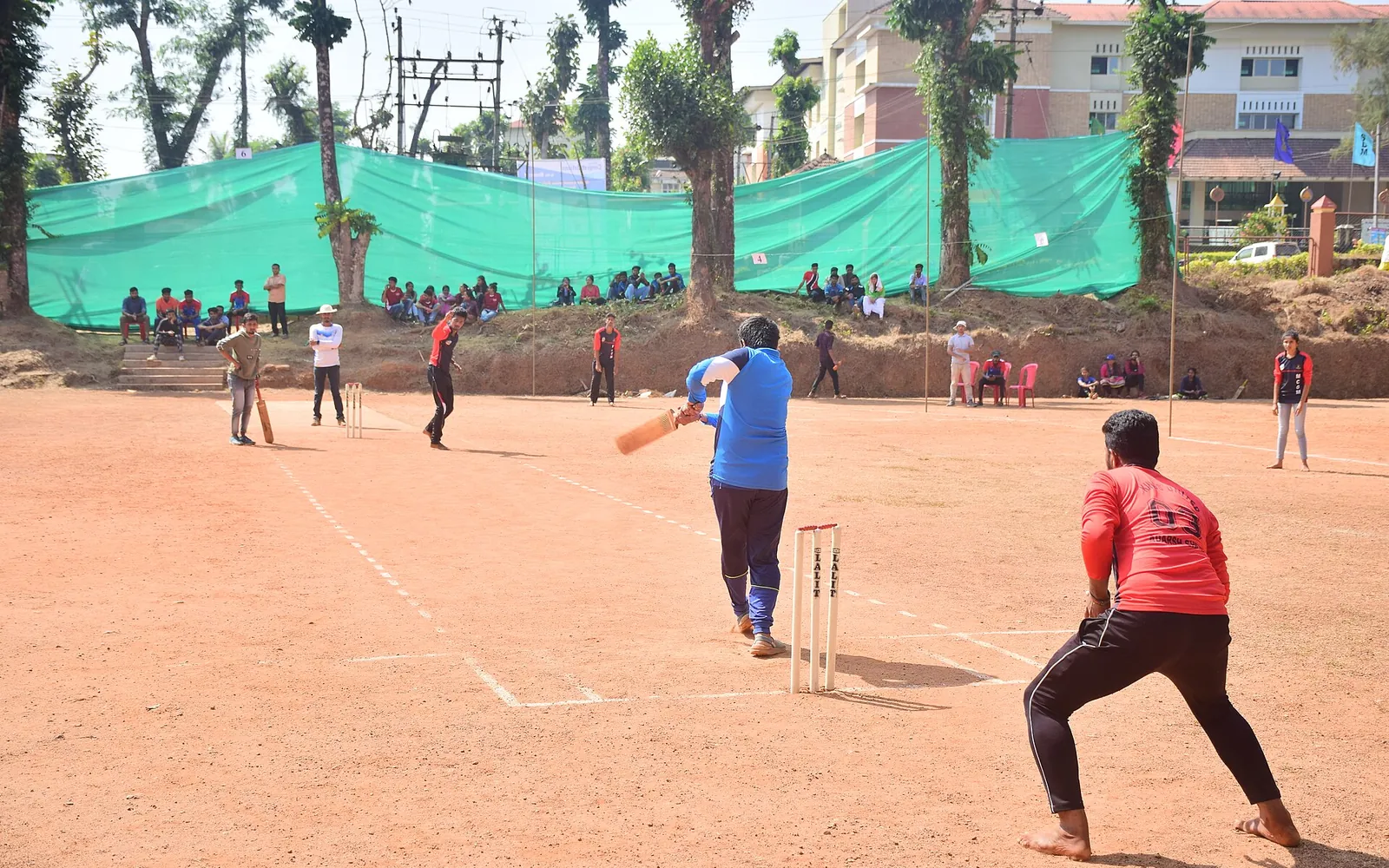
Box cricket has become one of the most popular ways for friends, colleagues and students to play cricket in Indian cities, and Kota has followed the trend. A small artificial-turf ground enclosed by nets, floodlights for evening games, and an hourly booking: it is quick, social and needs no big ground. If you want to play box cricket in Kota, this guide explains how turf booking usually works, the common house rules, what to ask before you pay, and how to avoid the injuries that turf cricket can bring.
We do not list turf names, prices or slot timings. New turfs open, prices change by time of day and season, and we cannot verify them all. Use the questions below with any venue.
What box cricket is
Box cricket is a short-format game played on a compact pitch, usually covered with artificial grass and enclosed by high nets on all sides, sometimes with netting overhead. Teams are small, often six to eight players, and matches last a few overs per side so several games fit into an hour. Tennis balls or synthetic balls are common, though some venues allow other balls. Because the ground is enclosed, the ball is always in play nearby, which makes the game fast and intense.
Common house rules
There is no single rulebook for box cricket. Rules vary from venue to venue and group to group. Common examples include:
- runs awarded when the ball hits certain nets directly or after a bounce,
- a batter given out if the ball is caught off the side net or roof net (or not, depending on the venue),
- limits on how many overs one bowler can bowl,
- every player bowling at least once,
- underarm or overarm bowling rules,
- a fixed number of balls per batter.
Agree the rules with both teams before the first ball. Most arguments in box cricket come from rules nobody agreed in advance. The formal Laws of Cricket still help settle basics like wides and no-balls.
How turf booking usually works
Most turfs in Indian cities take bookings by the hour, through a phone call, messaging app or a sports booking app. Prices often differ between weekday and weekend, and between day and evening slots, because floodlit evening slots are in high demand, especially in the hot months when daytime cricket is uncomfortable.
Before you book, ask:
- Surface: Is the turf in good condition, without bare patches or loose seams?
- Lights: Are all floodlights working, and is there extra charge for lights?
- Nets: Are nets intact on all sides and overhead?
- Ball and equipment: Which balls are allowed? Are bats, stumps and balls provided?
- Facilities: Drinking water, washrooms, a place to sit, parking.
- Price and payment: What is the price for your slot, how much advance is required, and is there a deposit?
- Cancellation: What happens if you cancel, if it rains, or if the venue has a power cut?
Ask for the booking confirmation in writing and keep it until after the game.
Splitting costs fairly
Agree before booking who pays the advance and how the total will be split. A simple group message with the amount per person avoids confusion. If someone drops out at the last minute, decide in advance whether they still pay their share.
Leagues and tournaments
Some turfs and organisers run box cricket leagues and weekend tournaments, often with entry fees and prizes. Before paying, check that the organiser is named and reachable, that the fixtures and rules are published, and that refund rules are clear if the event is cancelled. Be cautious of tournaments advertised only through forwarded messages. Our guide to sports tournaments in Kota has a full checklist.
Injuries and safety on turf
Artificial turf is harder and grippier than a natural ground, which changes how injuries happen:
- Shoes: wear flat turf or multi-surface shoes. Spikes are usually banned and running shoes can slip.
- Diving: artificial grass can cause friction burns. Cover knees and elbows or avoid unnecessary dives.
- Close fielding: the small space puts fielders near the bat. Stay alert and do not stand too close.
- Warm-up: sudden sprints after a day at a desk cause hamstring and calf strains. Warm up for 10 minutes.
- Heat: even evening games can be hot in May and June. Drink water and stop if you feel dizzy. See playing sports in Kota’s heat.
If you twist an ankle or knee, stop playing. Our guide to sports injury treatment in Kota explains first steps and when to see a doctor.
Box cricket and “real” cricket
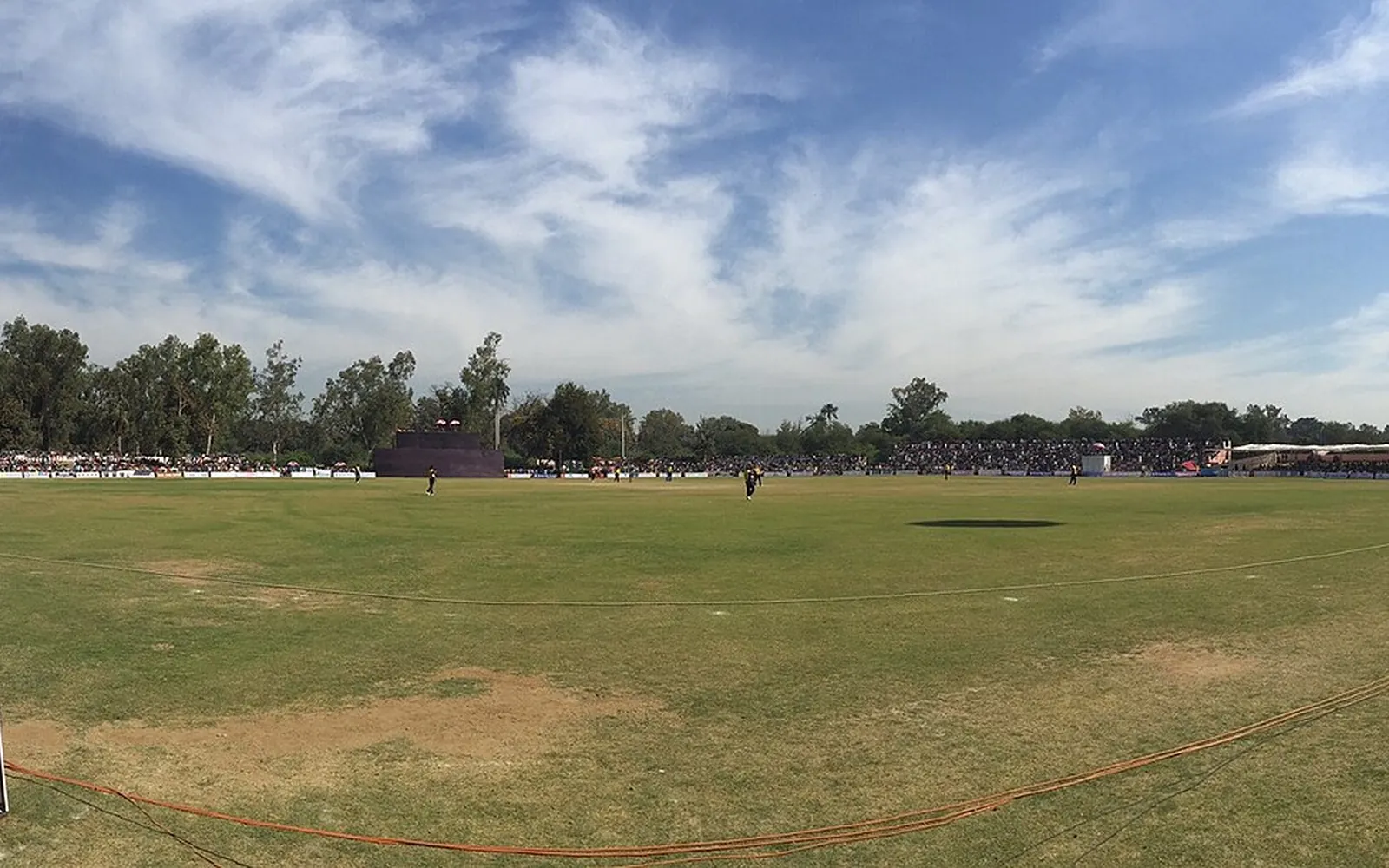
Box cricket is great for fitness, reflexes and team spirit, and it gets people who would not otherwise play back into the game. But it is a different game. Short boundaries and soft balls reward big swings, and bowlers rarely need to work batters out over several overs. If you or your child want to play club, school or district cricket, keep training on full grounds with a leather ball and proper coaching. See cricket in Kota, our complete guide to cricket in Kota and how to choose a cricket academy in Kota.
Kit
You need little: turf shoes, comfortable clothes, a water bottle and, if you prefer your own, a bat suited to the ball the venue uses. See our guide to buying your first cricket bat.
Shoes for turf and the step up to leather-ball cricket
Footwear causes more slips and twisted ankles on turf than anything else. Most venues ask for turf shoes or flat-soled sports shoes and ban metal spikes; our guide to football boots for turf explains the soleplate codes (TF, AG, FG) that apply to cricket players on turf too. If box cricket has sparked a bigger ambition, the step up is club, school and academy cricket with a leather ball, and eventually district trials. Read how to prepare for cricket trials for a 12-week plan, what selectors watch and how to avoid trial scams.
How to check current information
- Turfs, prices and slots: call the venue or check its booking app, and get the confirmation in writing.
- Reviews: read recent reviews for comments on surface, lights and cancellation handling.
- Formal cricket: the BCCI and the state association for official competitions and trials.
Frequently asked questions
What is box cricket?
Box cricket is a fast, short version of cricket played on a small artificial-turf pitch enclosed by nets on all sides and often overhead. Teams are smaller than in normal cricket, matches are a few overs per side, and special rules cover balls that hit the nets.
How do I book a box cricket turf in Kota?
Most turfs take bookings by phone, messaging apps or sports booking apps, usually by the hour. Search for turfs near you, call to confirm the slot, ask about the cancellation rule and any advance payment, and keep the booking confirmation.
How many players are needed for box cricket?
It varies by venue and group, often six to eight per side. Agree the team size and rules with the other team before you start.
What shoes should I wear on a cricket turf?
Flat-soled turf or multi-surface shoes. Many venues do not allow metal spikes, which damage the turf and can cause injuries.
Can box cricket help my normal cricket?
It is good for fitness, reflexes and running between wickets, but the short boundaries and tennis or synthetic balls encourage different shots. Players aiming at club or district cricket should still train on full grounds with a leather ball.
What shoes should I wear for box cricket on turf?
Turf shoes with many small rubber studs, or flat-soled sports shoes, are usually best and are often required. Long studs and metal spikes are generally not allowed on artificial turf. Ask the venue for its footwear rule.
Sources
Editorial team
The Kota Sports team writes and updates these guides to sport in Kota, Rajasthan, checking facts against official sources and saying clearly where readers need to confirm details with a venue or organiser.