Gear and buying guides
Buying your first cricket bat: a Kota buyer's guide
Written by Kota Sports Editorial Team · Updated
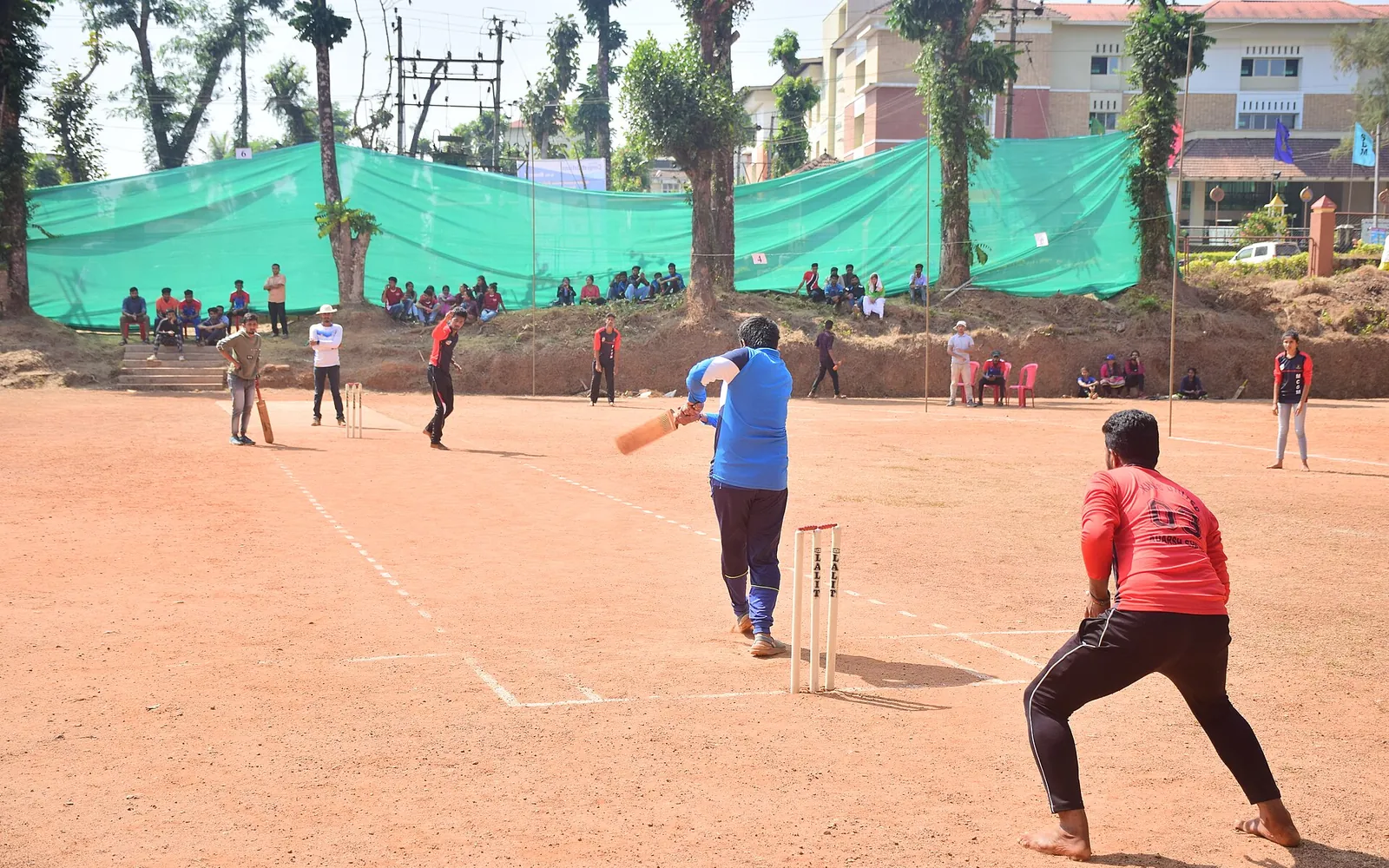
Buying your first cricket bat is exciting, and it is easy to spend more than you need. The right first cricket bat is one that suits the kind of cricket you play, fits your height and is light enough for you to swing well. This guide explains the main choices in plain terms, so you can walk into any sports shop in Kota knowing what to look for.
Kota Sports does not sell bats or any other equipment. We do not recommend particular brands or list prices, which change too often. If you are new to the game, start with our guide to playing cricket in Kota.
English willow vs Kashmir willow
Kashmir willow is grown in India. It is harder and denser, so bats are tough and usually much cheaper. It is ideal for tennis-ball and tape-ball cricket, for children who are growing quickly, and for beginners.
English willow is lighter and softer for the same size, which gives more “ping” off the face when hitting a leather ball. It is graded by appearance, and higher grades cost more. It needs more care and is best for players who play leather-ball cricket regularly.
A simple rule: tennis ball, Kashmir willow; regular leather ball, English willow. Do not buy a premium English willow bat for street cricket.
Getting the size right
Bats come in junior sizes for children and two adult sizes, usually called Short Handle and Long Handle. Size depends mostly on height. A quick check in the shop:
- Stand straight and hold the bat beside your leg, toe on the floor.
- The top of the handle should reach roughly the top of your thigh.
- Take your stance: the bat should not force you to crouch too much or stand too upright.
Children should not buy a bat “to grow into”. A bat that is too big makes it hard to learn correct technique.
Weight and pick-up
Weight is printed on many bats, but “pick-up” (how heavy it feels when you lift it) matters more. A well-balanced bat can feel lighter than its actual weight. Try this in the shop:
- Hold the bat in your stance and lift it as if facing a delivery.
- Play a few shadow drives and pulls.
- If your wrists tire or the bat drags, try a lighter one.
Many young players use bats that are too heavy. A lighter bat helps timing, which matters far more than power when you are learning.
Checks before you buy
- Edges and toe: no cracks, dents or loose wood.
- Handle: firmly fixed, with a grip that feels comfortable.
- Grains (English willow): straight grains are often a sign of good willow, though not a guarantee.
- Face: smooth, with no deep marks.
- Bat size and weight: clearly marked or measured in front of you.
Knocking in a new bat
A new willow bat used with a leather ball needs preparing. Usually this means light oiling of the face and edges (not the splice or handle), then knocking in with a bat mallet or an old ball, gradually increasing force over several hours. Then use it in nets with older balls before matches. Some shops offer knocking-in as a service. Follow the instructions that come with your bat.
Other kit you will need
For leather-ball cricket you also need pads, batting gloves, a helmet, an abdominal guard and suitable shoes. Batting gloves should fit snugly so you can feel the handle. Leather balls for practice and matches come in different grades; your coach or club will tell you which to use. For more on kit and where to shop, see our Kota sports gear guide.
Looking after your bat
- Keep it dry and out of extreme heat, including car boots in Kota’s summer.
- Re-oil lightly at the start of each season if the bat maker recommends it.
- Use a toe guard if you play on rough surfaces.
- Do not use it with cheap, hard practice balls that can dent the face.
Bats for box cricket and tennis-ball cricket
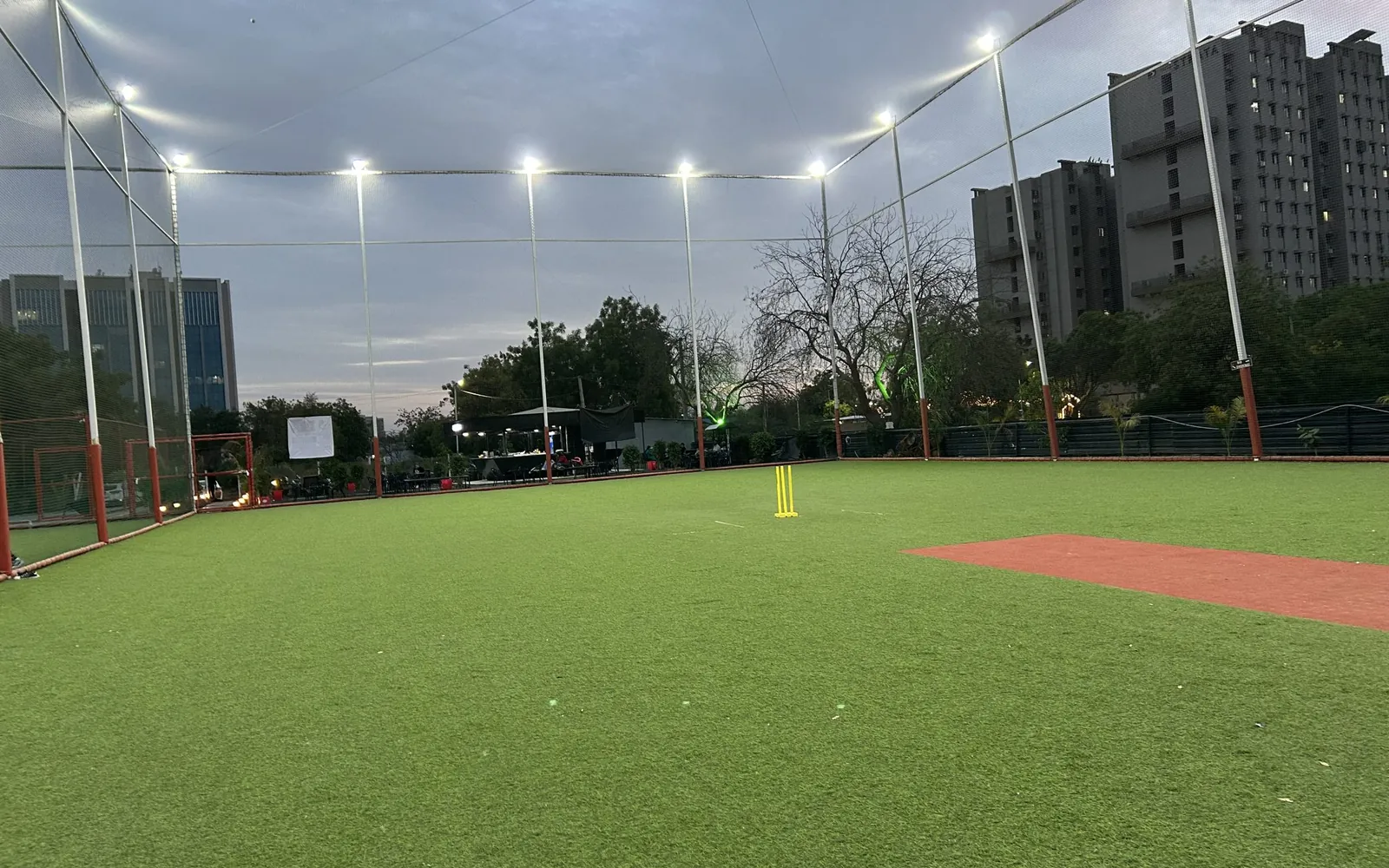
Many young players in Kota play more tennis-ball and box cricket than leather-ball cricket. For tennis or synthetic balls, a lighter bat made for tennis-ball cricket is usually the better choice. An expensive English willow bat is wasted on tennis and tape balls, which can also mark its face, and a heavy leather-ball bat slows down your swing in fast box cricket games. Ask the venue which balls they use before you choose; our guide to box cricket in Kota explains common house rules.
Avoiding injuries from the wrong bat
A bat that is too heavy or too long is a common cause of wrist, forearm and shoulder strain in young players. It also forces poor technique. If your child struggles to lift the bat and hold their stance, or their shots drag across the line, go lighter. A coach can check the fit quickly. If pain does develop, rest and see our guide to sports injury treatment in Kota.
Getting used to a new bat
A new bat feels different from your old one even when the size and weight are right. Give yourself time before an important match:
- Knock it in first if it is an English or Kashmir willow bat meant for a leather ball, as explained above.
- Use it in the nets or in practice matches before a tournament, so you get used to the pick-up and balance.
- Shadow bat with it at home. Our cricket batting drills at home guide includes shadow batting and soft-ball drills that help you learn a new bat without risking the face.
- Keep your old bat as a spare for tennis-ball games and practice.
If you play in local tournaments, check the ball type before the day. Many colony and school events in Kota use tennis balls, where a light bat suits better; leather-ball matches need a properly knocked-in willow bat and full protective kit. Our guide on how to organise a cricket tournament explains how organisers set the ball type and playing conditions.
Where to go next
Once you have a bat, find a game or an academy. Our guides to cricket in Kota and choosing a cricket academy in Kota explain the next steps. Equipment rules, including bat dimensions, are set out in Law 5 of the Laws of Cricket.
Frequently asked questions
Which is better for a beginner, English willow or Kashmir willow?
For most beginners, especially those playing tennis-ball cricket, Kashmir willow is the practical choice: it is harder-wearing and cheaper. English willow gives better performance with a leather ball and suits players who train regularly.
What size cricket bat do I need?
Bat sizes go from small junior sizes up to Short Handle and Long Handle for adults. Size depends mainly on height. Stand the bat beside your leg: the top of the handle should reach roughly to the top of your thigh. Try a few sizes in a shop.
Can I use an English willow bat with a tennis ball?
Yes, but it is a waste of an expensive bat, and taped tennis balls can mark the face. Use a cheaper bat for tennis-ball and tape-ball cricket.
Why do bats need knocking in?
Knocking in compresses the willow fibres on the face and edges so the bat can handle a hard leather ball without cracking. Follow the maker's instructions.
What bat should I use for box cricket?
For tennis or synthetic balls, a lighter bat made for tennis-ball cricket is usually best. English willow bats are designed for leather balls and are wasted on tennis, tape or synthetic balls.
Can I use a brand new bat straight away in a match?
A leather-ball willow bat should be knocked in and used in the nets or practice matches first, so that the face is prepared and you get used to its pick-up and balance. A bat for tennis-ball cricket usually needs no knocking in.
Sources
Editorial team
The Kota Sports team writes and updates these guides to sport in Kota, Rajasthan, checking facts against official sources and saying clearly where readers need to confirm details with a venue or organiser.