Sports in Kota
Cricket batting drills at home: 8 drills you can do safely
Written by Kota Sports Editorial Team · Updated
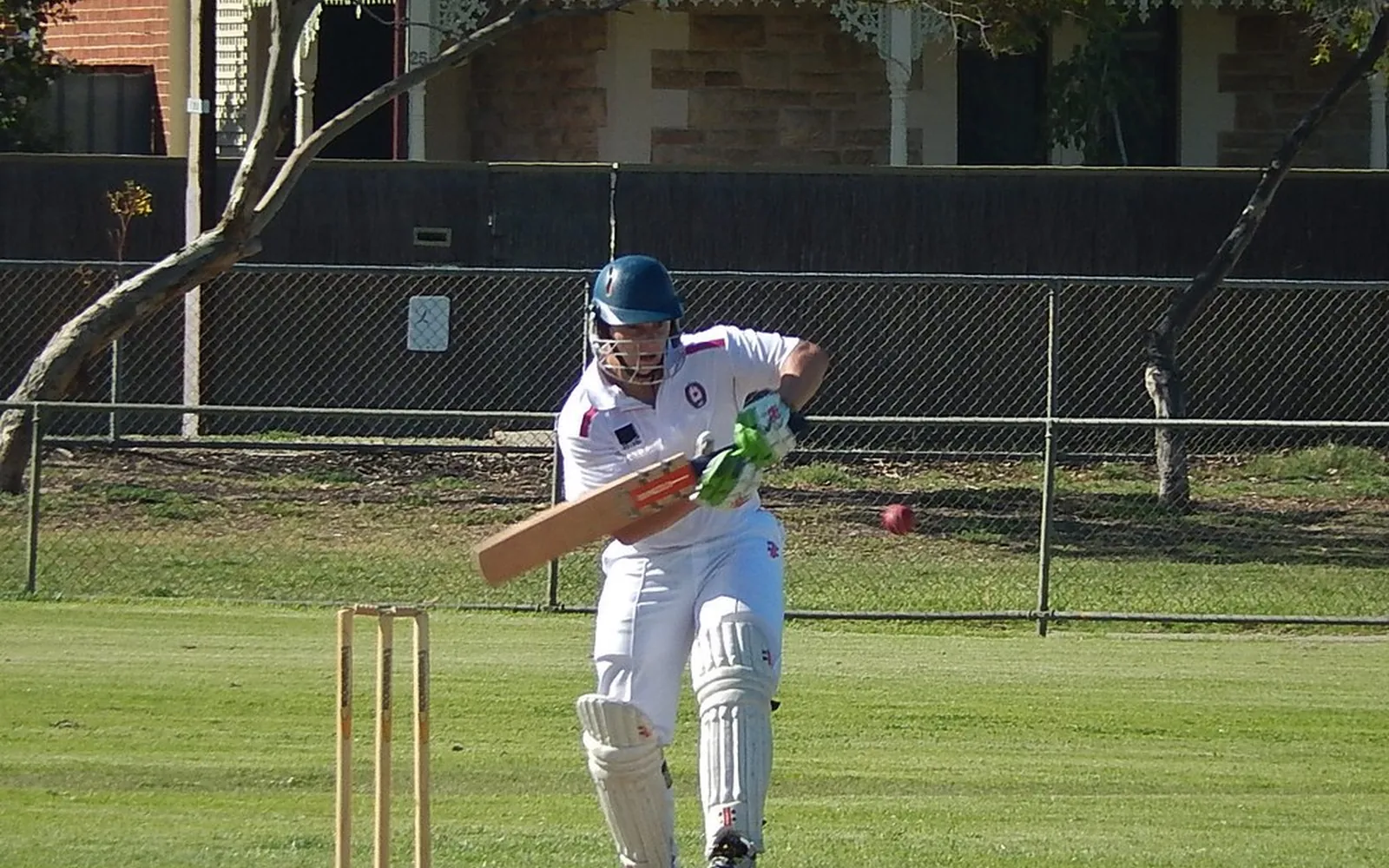
Most young players in Kota get a limited number of balls in the nets each week, shared with a batch of other players. Cricket batting drills at home fill the gap: a few focused minutes on grip, stance, head position and footwork can make each net session more productive. This guide gives eight drills that work in a room, a terrace, a lane or a courtyard, with the safety rules that keep home practice from becoming a broken window or an injury. Home drills support coaching; they do not replace it.
Before you start: one focus, one safe space
Ask your coach for a focus. Batting has many moving parts. Work on one or two points at a time, such as keeping your head still, a straighter backlift or a bigger front-foot stride. Practising the wrong movement hundreds of times makes it harder to fix.
Choose a safe space. Clear the area of furniture, glass, pets and younger siblings. On a terrace, check the parapet height and never practise near an unprotected edge. Avoid roads and lanes with traffic.
Use a soft ball. Tennis balls, rubber balls and plastic practice balls are right for home. Hard leather balls belong in proper nets with a helmet, pads, gloves and box.
Warm up. Five to ten minutes of light movement and arm, shoulder and hip mobility; our warm-up exercises before sports guide has a routine.
Drill 1: Shadow batting in front of a mirror
Take your stance in front of a mirror or a phone camera and play shots without a ball: forward defence, back-foot defence, front-foot drive, back-foot punch. Check that your head stays level and over the ball line, your front shoulder points down the pitch and your bat comes down straight. Ten slow, perfect repetitions of each shot are better than fifty rushed ones.
Drill 2: The hanging ball
Put a tennis ball in an old sock or a net bag and hang it from a beam, hook or tree branch at about the height a good-length ball would reach after bouncing. Play repeated front-foot drives and forward defensive shots into it. The ball swings back, so you get many repetitions quickly. This drill grooves a straight bat, a stable head and a good stride. Check the rope and the fixing before each session.
Drill 3: Wall rebounds with a stump or narrow bat
Throw a tennis ball against a wall and play it back as it rebounds. Using a single stump, a narrow practice bat or the edge of a bat makes you watch the ball closely. Start slowly from a few metres away and move closer as you improve. Pick a wall without windows and with nobody on the other side who will be disturbed.
Drill 4: Underarm feeds from a partner
A parent, sibling or friend kneels to the side, not straight in front, and drops or tosses soft balls underarm into your hitting zone. Play controlled drives along the ground into a mattress, net or empty space. The feeder should always be protected from the ball’s path and should not stand where a straight drive will hit them.
Drill 5: Footwork ladders and cones
Use chalk marks or small objects to show where your front and back feet should land for front-foot and back-foot shots. Without a ball, move into position and hold the finish. Then add a soft feed. Good footwork brings you to the ball rather than reaching for it. Skipping also helps quick, light feet; see our skipping rope workout for beginners.
Drill 6: Leaving the ball
Batters often forget that leaving well is a skill. Have a partner toss soft balls on and outside an imaginary off stump. Leave those clearly outside the line with the bat raised high and safely, and defend those on the stumps. This builds judgement of which balls to play.
Drill 7: Grip and soft hands
Hold the bat with both hands, then loosen the bottom hand so the top hand leads. Play gentle defensive shots to soft underarm feeds, trying to make the ball drop dead just in front of you. This teaches the “soft hands” needed against spin and on slow pitches.
Drill 8: Running between the wickets
Mark two lines a few metres apart in a safe open space. Practise calling clearly (“yes”, “no”, “wait”), grounding the bat over the line and turning quickly with your head facing the ball. Good running converts singles into twos in matches.
A sample 25-minute session
- Warm-up: 5 minutes.
- Shadow batting, focusing on your coach’s point: 5 minutes.
- Hanging ball or underarm feeds: 8 minutes.
- Footwork or leaving drill: 5 minutes.
- Easy stretching: 2 minutes.
Two to four sessions a week, alongside nets and matches, is plenty for most school-age players. Tired, sloppy repetitions build bad habits; stop when quality drops. Avoid outdoor practice in Kota’s summer afternoons; our guide to playing sports in Kota’s heat explains why.
Equipment for home practice
You do not need much: a bat that suits your size (our guide to buying your first cricket bat explains sizes), a few tennis or rubber balls, an old sock and rope for the hanging ball, and a phone to film yourself. Do not knock in or practise with a new English or Kashmir willow bat using hard balls at home; follow the knocking-in advice for your bat.
From home drills to the next level
Home practice works best when it feeds into coaching and match play. Our guide to choosing a cricket academy in Kota explains what good nets and match practice look like, box cricket in Kota covers turf games with friends, and how to prepare for cricket trials has a longer plan for players aiming at selection. For a bigger picture of the game in the city, see cricket in Kota.
Frequently asked questions
Can I improve my batting at home?
Yes, especially technique. Shadow batting, hanging-ball drills, wall rebounds and underarm feeds can improve grip, stance, head position, footwork and timing. You still need nets and matches to learn to face real bowling.
Which ball should I use for batting practice at home?
Use a tennis ball, rubber ball or plastic practice ball. Hard leather balls are dangerous in small spaces and need nets and full protective equipment, including a helmet.
What is a hanging ball drill?
A ball is placed in a sock or net bag and hung from a beam or hook at about the height of a good-length delivery after bouncing. The batter plays repeated drives and defensive shots to groove a straight bat and head position.
How long should batting practice at home last?
For most young players, 15 to 30 focused minutes several times a week is enough. Stop when your technique gets sloppy; tired repetitions build bad habits.
Do I need a coach to practise at home?
Not for every session, but a coach should tell you which technical points to work on. Practising the wrong thing many times can make a fault harder to fix.
Sources
Editorial team
The Kota Sports team writes and updates these guides to sport in Kota, Rajasthan, checking facts against official sources and saying clearly where readers need to confirm details with a venue or organiser.