Sports in Kota
LBW rule in cricket: leg before wicket explained step by step
Written by Kota Sports Editorial Team · Updated
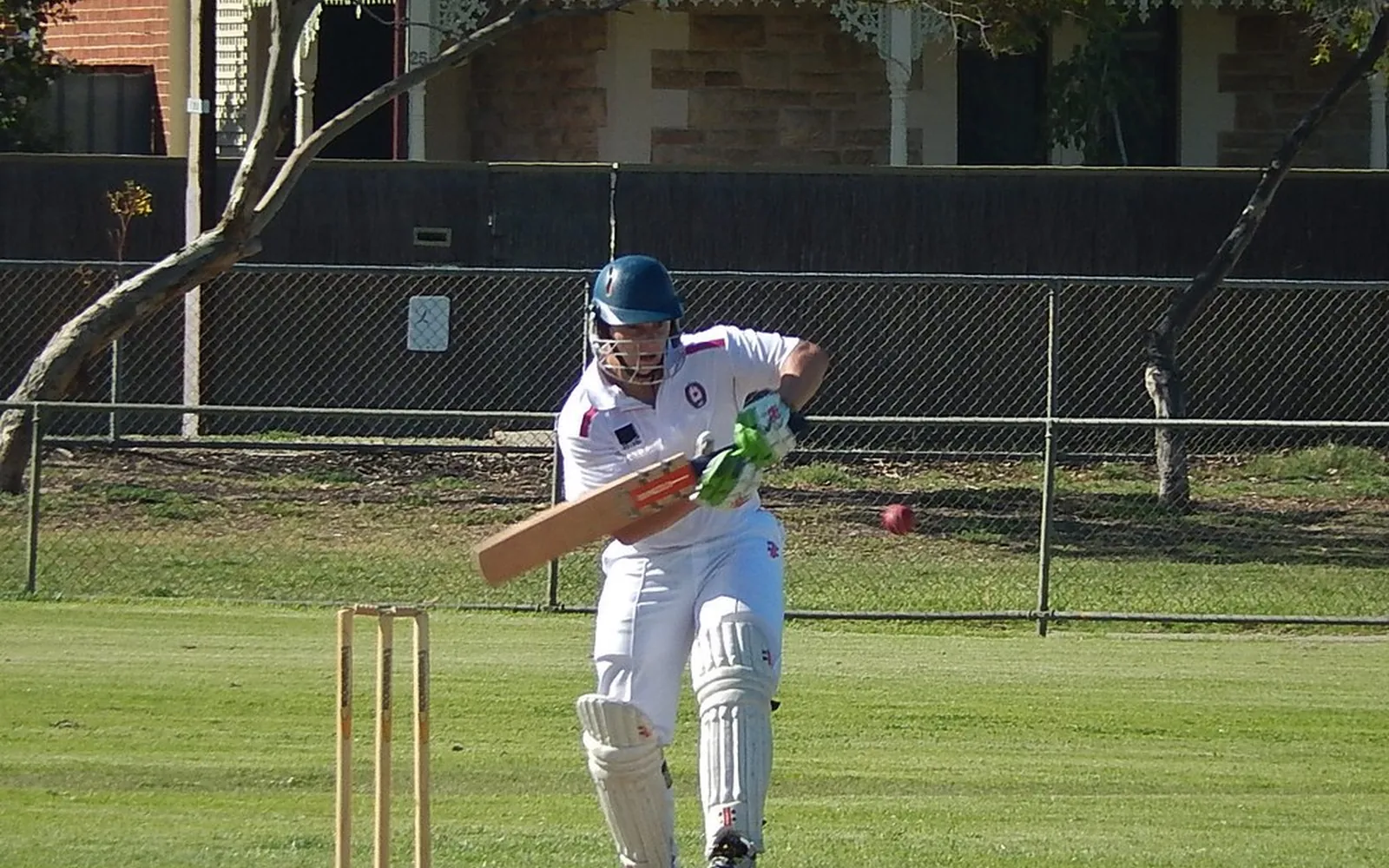
In a Kota colony match, a school fixture or a district trial, no decision causes more arguments than leg before wicket. Most players know the phrase but not the conditions, and the result is shouting, walk-offs and bad feeling. This guide explains the LBW rule in cricket step by step, using the same order of checks an umpire uses. It is based on Law 36 of the Laws of Cricket, written by the Marylebone Cricket Club (MCC), which is followed in all formal cricket in India. Tournament organisers can change playing conditions for informal formats, so always check the local rules.
If you are new to the sport in the city, start with our guides to cricket in Kota and how to start playing cricket in Kota.
What LBW means
A batter is out leg before wicket (LBW) when the ball, which would have hit the stumps, is stopped by any part of the batter’s body (other than the hand holding the bat) instead of the bat. The idea is simple: you cannot use your pads or body to protect your wicket. The detail is in the conditions.
Off side and leg side first
LBW depends on knowing which side is which:
- For a right-handed batter, the off side is the side the batter faces in the stance, which is on the bowler’s left as the bowler runs in. The leg side is behind the batter’s legs, on the bowler’s right.
- For a left-handed batter, everything is mirrored.
- The “line of the stumps” is the strip of the pitch between the two sets of stumps, from leg stump to off stump.
Under the Law, the off side is decided by the batter’s stance when the bowler starts the run-up. If a batter switches to a reverse sweep or switch hit after that, the sides do not change.
The LBW checks, in order
Umpires run through the same questions every time. If any answer is “no”, the batter is not out.
1. Was it a fair delivery?
A batter can never be out LBW off a no-ball. If the bowler overstepped or the delivery was illegal for another reason, the decision ends here.
2. Did the fielding side appeal?
The umpire may not give any batter out unless the fielders appeal (“How’s that?”). A silent fielding side gets nothing, even if the batter was plumb.
3. Where did the ball pitch?
If the ball bounced (pitched) outside the line of leg stump, the batter is not out, whatever happens next. If it pitched in line with the stumps, or outside off stump, the umpire continues. A full toss that does not bounce passes this check.
4. Did the ball hit the bat first?
If the ball touched the bat or the glove holding the bat before hitting the pad, it cannot be LBW. If bat and pad were struck at the same time, the Law treats it as bat first, so again not out.
5. Where was the point of impact?
- If the ball hit the batter in line with the stumps, continue.
- If it hit the batter outside the line of off stump, it can be LBW only if the batter made no genuine attempt to play the ball with the bat. This is the rule that stops batters simply kicking away balls outside off stump.
- If the impact was outside the line of leg stump, it is not out.
6. Would the ball have hit the stumps?
Finally, the umpire must judge that the ball would have gone on to hit the stumps if the batter had not been in the way. They assume the ball continues on its path after impact and consider:
- the height of the ball at impact and the bounce of the pitch;
- any turn or swing before impact;
- how far down the pitch the batter was standing;
- the angle of the delivery.
If the umpire is not confident it would have hit the stumps, the decision should be not out. Doubt goes to the batter.
LBW at a glance
| Situation | Out LBW? |
|---|---|
| No-ball | Never |
| Pitched outside leg stump | No |
| Hit bat first, or bat and pad together | No |
| Impact outside off, batter playing a shot | No |
| Impact outside off, no shot offered, would hit stumps | Yes |
| Pitched in line or outside off, impact in line, would hit stumps | Yes |
| Impact outside leg stump | No |
LBW and DRS on television
In international and some domestic cricket, teams can challenge LBW decisions with the Decision Review System (DRS). The third umpire uses replays, edge-detection tools and ball-tracking to check the same conditions. If the ball-tracking shows the ball only clipping the stumps or the impact only partly in line, the on-field decision stands as “umpire’s call”. You will not have DRS in local matches, but watching reviews on television is a good way to learn how close LBW decisions are.
Tips for local umpires
Many club, school and colony matches are umpired by players from the batting side or by volunteers. To give fair decisions:
- Stand directly behind the stumps at the bowler’s end, so you can see the line.
- Watch the bowler’s front foot first for no-balls, then switch your eyes to the ball.
- Check the pitch point and impact separately; do not decide from the noise or the appeal.
- If you are not sure, the answer is not out.
- Signal clearly by raising your index finger, and do not reverse decisions because of arguments.
If you are organising an event, write the LBW rule into your playing conditions. Our guide on how to organise a cricket tournament covers playing conditions, umpires and points tables.
Batting tips to avoid LBW
- Play with the bat in front of the pad. Lead with the bat, not the leg, especially in defence.
- Do not plant the front foot across the stumps to straight deliveries; it puts your pad in line with the ball.
- Play straight balls with a straight bat. Cross-batted shots to straight balls are a common way to get LBW.
- Against spin, use your feet to reach the pitch of the ball, or play back and late.
- Leaving outside off stump is fine, but if the ball might come back in, make a genuine attempt to play it with the bat.
Our cricket batting drills at home include shadow batting and hanging-ball work that build a straight bat, and our guide on how to prepare for cricket trials explains what selectors look for in a batter’s defence.
LBW in tennis-ball and box cricket
Informal formats in Kota often change LBW. Some drop it completely, some allow it only for balls that would clearly hit the middle stump, and some use “one-tip” or “no-pad” house rules. In box cricket, the netted space and short pitch usually make LBW impractical. Settle the rule before the toss.
Common LBW myths
- “You cannot be LBW if you are hit outside off.” You can, if you offered no shot.
- “You cannot be LBW if you are a long way down the pitch.” You can; distance only makes the umpire’s judgement harder.
- “LBW needs the ball to hit the leg.” Any part of the body except the hand holding the bat counts.
- “It was going down leg, so it is not out.” Going down leg matters only because it would miss the stumps; pitching outside leg is the separate rule that always protects the batter.
For more cricket help, see our cricket academy guide or browse all our Kota sports guides.
Frequently asked questions
Can you be out LBW if the ball pitches outside leg stump?
No. If the ball pitches outside the line of leg stump, the batter cannot be out LBW, even if it would have gone on to hit the stumps.
Can you be LBW if the ball hits you outside off stump?
Only if you made no genuine attempt to play the ball with your bat. If you were playing a shot and the impact was outside the line of off stump, you are not out LBW.
Is it LBW if the ball hits the bat and pad at the same time?
No. Under the Laws, if the ball touches the bat and the batter's body at the same time, it is treated as hitting the bat first, so the batter cannot be LBW.
Does the fielding team have to appeal for LBW?
Yes. The umpire cannot give a batter out LBW, or in any other way, unless the fielding side appeals, usually by asking 'How's that?'.
Can you be LBW if the ball hits you on the head or body?
Yes, in principle. LBW covers any part of the body except the hand holding the bat. It is rare for a ball hitting the upper body to be going on to hit the stumps, but the same conditions apply.
Is there LBW in tennis-ball or box cricket?
It depends on the organiser. Many informal, tennis-ball and box cricket formats have no LBW or use a simplified version. Agree the rule before the first ball to avoid arguments.
Sources
Editorial team
The Kota Sports team writes and updates these guides to sport in Kota, Rajasthan, checking facts against official sources and saying clearly where readers need to confirm details with a venue or organiser.