Tournaments and events
How to organise a cricket tournament: a step-by-step guide for local events
Written by Kota Sports Editorial Team · Updated
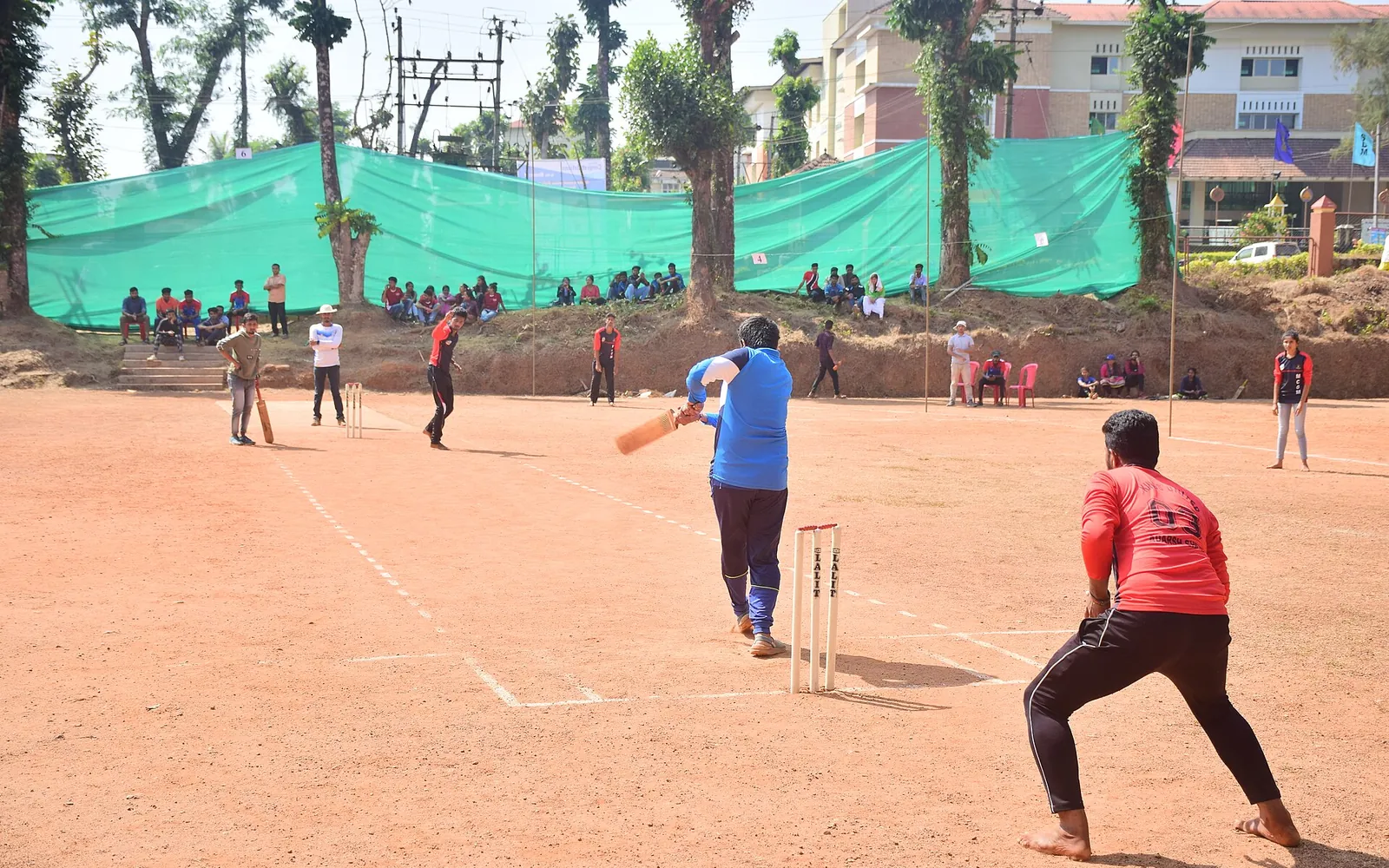
Every winter, colonies, hostels, schools, offices and clubs across Kota run their own cricket tournaments, from one-day tennis-ball knockouts to month-long leather-ball leagues. The good ones feel effortless; the bad ones collapse into arguments about overs, wides and who was supposed to bring the stumps. This guide explains how to organise a cricket tournament step by step: setting the basics, choosing a format, booking the ground, writing playing conditions, running the day safely and publishing results. It is written for local, informal events; official competitions follow their association’s rules.
Step 1: Decide the basics
Write these down before you announce anything:
- Purpose: fun for the colony, a fundraiser, an inter-school event or practice for serious players. The purpose decides everything else.
- Who can play: age group, gender, residents only or open entry, and how many players per squad.
- Ball: tennis ball (taped or plain), rubber ball or leather ball. Leather-ball cricket needs pads, gloves, helmets and a proper pitch; tennis-ball cricket needs much less.
- Overs per side: short formats (5 to 10 overs) for tennis-ball knockouts, 15 to 20 overs or more for leather-ball leagues.
- Dates and times: from October to March is the comfortable season in Kota. In the hotter months, plan only early morning or floodlit evening matches.
- Budget: balls, stumps, scorebooks, umpires, water, first aid, trophies and ground charges if any.
Step 2: Book the ground and officials
- Get written permission from whoever manages the ground: the school, college, residential society, club, sports council or local body. Agree the dates, hours and what you will leave behind.
- Walk the ground: pitch condition, boundary size, stones and glass, nearby roads, windows and parked vehicles.
- For bigger events with spectators, loudspeakers or parking on public roads, check with the local police and administration.
- Arrange umpires and scorers. Neutral umpires prevent most arguments. If teams must umpire each other’s matches, decide that in advance.
If you need a turf instead of an open ground, our guide to box cricket in Kota explains how turf booking works. For bigger venues, see sports complexes in Kota.
Step 3: Choose a format and count the matches
The format decides how many matches you need:
| Format | Matches for n teams | Example: 8 teams | Good for |
|---|---|---|---|
| Knockout | n minus 1 | 7 matches | One-day events, many teams |
| Single round robin | n x (n minus 1) / 2 | 28 matches | Leagues over several weekends |
| Two groups + semi-finals + final | 2 x [g x (g minus 1) / 2] + 3, with g teams per group | 12 + 3 = 15 matches | Two or three days |
Then estimate the time. A short tennis-ball match plus changeover can take much longer than the overs suggest. Add buffer time between matches, a lunch break and time for the presentation. A knockout with byes works when the number of teams is not a power of two (4, 8, 16); give byes by draw or by seeding and announce how before the draw.
Step 4: Write the playing conditions
The Laws of Cricket published by MCC are the base, but local tournaments always add their own playing conditions. Put them on one page and share them with every captain before the first match:
- overs per side, and the maximum overs per bowler (for example, one-fifth of the innings);
- the number of players per side and substitutes;
- wides and no-balls: what counts as a wide down the leg side, whether a no-ball gives a free hit, and how many runs each is worth;
- local ground rules: one-bounce catches, hitting the building, lost balls, “one tip one hand” rules if you use them;
- tie-breakers: super over, bowl-out, net run rate, head-to-head;
- what happens if rain or bad light stops play: reduced overs, a replay or a result on run rate;
- how late a team can be before it forfeits;
- conduct rules and who decides disputes (the tournament committee, not the loudest player).
Net run rate, if you use a league table: runs scored divided by overs faced, minus runs conceded divided by overs bowled, across all matches. Decide how you count a team bowled out early.
Hold a short captains’ meeting to go through the conditions and the schedule. Most disputes on the day come from rules that were never written down.
Say clearly whether LBW applies, especially in tennis-ball formats. If it does, share our LBW rule in cricket guide with the umpires and captains before the first match.
Step 5: Registration, entry money and prizes
- Use a simple registration form: team name, captain’s name and phone number, squad list and ages for age-group events.
- If you collect entry money, give receipts and keep a written account of income and spending.
- Do not promise prizes you have not secured.
- For school and junior events, collect a parent contact for each player.
Do not run betting or anything resembling it. Keep the event about the cricket.
Step 6: Safety on the day
- Heat: Kota is very hot from April to June and still warm in October. Provide shade, plenty of drinking water and drinks breaks. Read playing sports in Kota’s heat.
- First aid: a stocked first-aid kit, ice, and a named person responsible. Note the nearest hospital and keep 112 for emergencies.
- Protective kit: with a leather ball, batters and wicketkeepers must wear pads, gloves and helmets; do not let young players bat without them.
- Spectators: keep them behind the boundary rope, away from the line of big hits and away from the road.
- Weather: stop play when there is lightning; our guide to sports in the monsoon in Kota explains lightning safety.
A checklist of equipment and roles
Equipment:
- stumps and bails for each pitch (and spare bails);
- enough balls for every match, plus spares of the same type;
- a boundary rope, cones or chalk;
- scorebooks or a scoring app, pens and a printed copy of the playing conditions;
- a coin for the toss, a stopwatch or phone for timing, and a loudspeaker if the ground is large;
- first-aid kit, ice packs, drinking water and shade.
Roles:
- a tournament director who makes final decisions on disputes;
- a ground manager for the pitch, boundaries and equipment;
- umpires and scorers for each match;
- a first-aid lead;
- someone in charge of registration, money and receipts.
Write names next to each role. On a busy day, jobs that “everyone” was doing are the ones that get missed.
Common problems and how to avoid them
- Running late. Start the first match on time even if a team is missing, using your forfeit rule, and keep changeovers short.
- Disputed decisions. Neutral umpires and written playing conditions solve most of them. The tournament director’s decision is final; say so at the captains’ meeting.
- Ineligible players. For age-group or resident-only events, check squad lists before the first match, not after a team complains.
- Running out of balls. Buy more than you think you need; tennis balls split and leather balls go missing.
- No water or shade. This is the most common and most dangerous gap in summer events.
Step 7: Results and after the event
- Keep every scorecard, and update the points table after each match.
- Publish results, the final table and awards the same day if you can.
- Share a short account of money collected and spent if teams paid entry fees.
- Return the ground in the condition you found it.
- Note what went wrong for next year: late starts, unclear rules, missing equipment.
Connecting your tournament to the wider game
A well-run local tournament is often where young players first get noticed. Point talented players towards proper coaching through our guides to cricket in Kota, choosing a cricket academy and how to prepare for cricket trials. To find existing events instead of organising one, see sports tournaments in Kota.
Frequently asked questions
How many matches does a cricket tournament need?
In a straight knockout, every match eliminates one team, so n teams need n minus 1 matches; 8 teams need 7. In a single round robin where every team plays every other team once, n teams need n x (n minus 1) / 2 matches; 8 teams need 28. Groups followed by knockouts sit in between.
How is net run rate calculated?
Net run rate is a team's runs scored divided by overs faced, minus runs conceded divided by overs bowled, across the tournament. Write in your rules how you will count a team that is bowled out early; many competitions count it as having faced its full quota of overs.
What is the best format for a one-day local cricket tournament?
For one day on one ground, a knockout of 8 teams with short matches (for example 6 or 8 overs a side in tennis-ball cricket) is usually realistic. Allow time for changeovers, breaks and delays; matches almost always take longer than planned.
Do I need permission to hold a cricket tournament on a public ground?
You should get written permission from whoever manages the ground, such as the school, college, society, sports council or local body. For larger events with spectators, road closures or loudspeakers, check with the local police and administration as well.
How do you break a tie in a short cricket tournament?
Decide before the tournament. Common methods are a super over (one over each), a bowl-out, or, in league tables, net run rate and then head-to-head results. Put the method in your written rules and tell captains at the meeting.
Sources
Editorial team
The Kota Sports team writes and updates these guides to sport in Kota, Rajasthan, checking facts against official sources and saying clearly where readers need to confirm details with a venue or organiser.