Tournaments and events
How to prepare for cricket trials: fitness, skills and documents
Written by Kota Sports Editorial Team · Updated
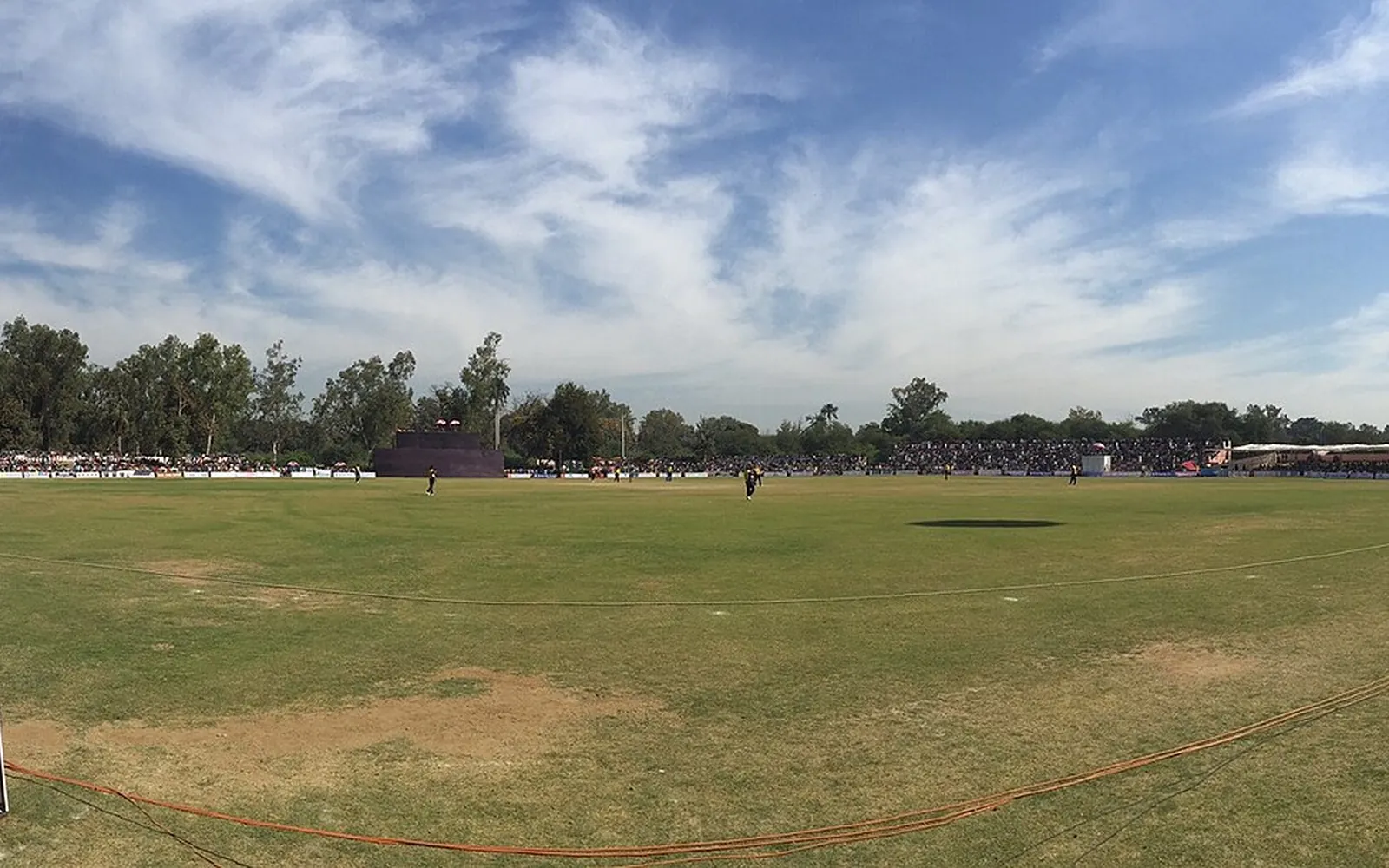
How to prepare for cricket trials is a question every serious young cricketer in Kota faces sooner or later, whether it is a school team, a club, district age-group trials or a camp leading towards state selection. Trials can feel like a one-day exam, but the players who do well have usually prepared for months: playing matches, building fitness, sharpening one main skill and arriving with the right documents. This guide explains how the pathway works in Rajasthan, what selectors look for, a preparation plan, and how to avoid trial scams.
We do not publish trial dates or fees, because they change every season. Ask your coach, school or the district association, as explained below.
How the cricket pathway works
Organised cricket in Rajasthan runs under the Rajasthan Cricket Association, which is a member of the BCCI. District associations, including Kota’s, organise local tournaments and trials for age-group teams. Good performances in district cricket can lead to selection for zonal or state camps and teams, which play in the BCCI’s domestic competitions.
Other important routes are:
- school cricket, including competitions under school sports bodies;
- college and university cricket;
- club and academy cricket, including local leagues and tournaments.
Our complete guide to cricket in Kota explains each step from first game to district level, and cricket in Kota covers the local scene.
What selectors look for
Selectors usually see you for a short time, so they watch for:
- Technique under pressure: a batter’s balance and shot selection, a bowler’s action, line and length, a keeper’s footwork and hands.
- Fielding: clean pick-ups, accurate throws, safe catching and effort in the field. Good fielding is noticed at every level.
- Fitness: running between wickets, chasing, bowling spells without losing pace or accuracy.
- Game awareness: understanding the match situation and your role.
- Attitude: punctuality, listening, effort, supporting teammates and how you react to getting out or being hit for runs.
A clear role helps. Know whether you are being assessed as a top-order batter, a fast bowler, a spinner, a wicketkeeper or an all-rounder, and show that skill first.
A 12-week preparation plan
Weeks 1 to 4: base. Play matches every week if you can. Build general fitness: running, body-weight strength (squats, lunges, push-ups, planks) and mobility, three or four days a week. Work with your coach on one technical point at a time.
Weeks 5 to 8: build. Add sprints, agility drills (shuttle runs, change of direction) and fielding drills every session. Bowlers should increase workload gradually rather than suddenly bowling long spells. Batters should face game-like practice: different bowlers, targets and scenarios.
Weeks 9 to 11: sharpen. Simulate trial conditions: short net sessions where you have a few minutes to impress, fielding under pressure, and match situations. Keep strength work but reduce volume.
Week 12: taper. Lighter training, good sleep, normal meals. Do not try anything new.
If you are a student, fit this around study; see Kota youth studies and sports and the fitness routine for Kota students. For food, read sports nutrition for young athletes.
Avoiding injuries before trials
Most pre-trial injuries come from suddenly increasing workload, especially for fast bowlers. Increase overs gradually, warm up properly, and rest when something hurts. Back pain in a young fast bowler should always be checked by a doctor. Our guide to sports injury treatment in Kota explains where to go.
Documents and eligibility
Age-group cricket depends on accurate age, and the BCCI and state associations have age-verification procedures. Ask the organiser for the exact document list. It commonly includes proof of age (such as a birth certificate), identity documents, school or college records and photographs. Carry originals and copies, and make sure names and dates match across documents. Never alter documents or misstate age; it can lead to bans.
The day of the trial
- Sleep well and eat a light, familiar meal a few hours before.
- Arrive early with documents, kit, whites or the required clothing, water and snacks.
- Warm up properly, even if the start is delayed.
- Listen carefully to instructions and follow them exactly.
- Give full effort in fielding and running, not just in your main skill.
- In hot weather, drink water regularly and use shade; Kota’s heat is a real risk. See playing sports in Kota’s heat and the NHS guide to heat exhaustion.
If you are not selected
Many good cricketers were not selected the first time. Ask your coach for honest feedback, keep playing matches and keep a simple record of your performances. Trials happen every season, and performances in school, club and district tournaments keep you in view.
Avoiding trial scams
Be wary of:
- anyone asking for money to guarantee selection or a “direct entry”;
- “trials” with large registration fees run by organisations you cannot verify;
- promises of selection for professional leagues in exchange for payment.
Genuine selection is based on performance. Before paying any registration fee, check who organises the trial and whether it is linked to a recognised association. Our guide to sports tournaments in Kota explains how to check events, and how to choose a cricket academy in Kota covers coaching that prepares you well.
Home practice, warm-ups and rest before trials
Nets time is limited, so use home practice to sharpen the points your coach has given you. Our guide to cricket batting drills at home has eight safe drills, including shadow batting and the hanging ball, that work in a room, terrace or courtyard with a soft ball.
On the trial day, many players perform below their level because they arrive cold or tired. Do a proper routine before you are called, building up to full-pace throws, sprints and bowling; warm-up exercises before sports explains how, and why to repeat a short version if you are kept waiting.
In the final week, reduce training volume rather than cramming extra sessions, and protect your sleep. Tired players react late and misjudge the ball. Our guide to sleep and recovery for young athletes gives the recommended hours by age, and how to improve stamina for sports explains how to build fitness in the weeks before, not the days before.
How to check current information
- Trial dates, eligibility and documents: your coach, school or college sports teacher and the district cricket association.
- National competitions: BCCI domestic cricket.
- Government sports programmes: the district sports office and the Rajasthan State Sports Council.
Frequently asked questions
Can I practise for cricket trials at home?
Yes, for technique and fitness. Shadow batting, hanging-ball drills, underarm feeds with a soft ball, running between the wickets and conditioning can all be done at home. You still need nets and matches to face real bowling, and hard leather balls should only be used in proper nets with full protection.
When are cricket trials held in Kota?
Dates change every season and depend on the age group and the association's calendar. Ask your coach, your school or college sports teacher, or the district cricket association, and watch local newspapers. We do not publish dates we cannot confirm.
What documents do I need for cricket trials?
Usually proof of age (such as a birth certificate) and identity, school or college records and photographs, but requirements vary. Ask the organiser for the exact list and carry originals and copies.
What do selectors look for in a trial?
Sound technique under pressure, fielding and fitness, awareness of match situations, and attitude: punctuality, effort, listening and how you react to mistakes. Specialists are judged on their main skill first.
Can I get selected without joining an academy?
Yes, selection depends on performance. In practice, regular coaching and match play help you develop and get noticed, and school and club cricket are important routes.
Someone is asking for money to guarantee selection. Is that genuine?
No. Selection in recognised cricket is based on performance. Do not pay anyone who promises a guaranteed place, and report it to the association concerned.
Sources
Editorial team
The Kota Sports team writes and updates these guides to sport in Kota, Rajasthan, checking facts against official sources and saying clearly where readers need to confirm details with a venue or organiser.