Academies and coaching
Sports nutrition for young athletes: what to eat around training in Kota
Written by Kota Sports Editorial Team · Updated
Sports nutrition for young athletes sounds complicated, but for most children and teenagers who play sport in Kota it comes down to a few simple habits: eat enough everyday food, time a light meal before training, refuel afterwards and drink plenty of water in the heat. Expensive powders and “special” diets are rarely needed, and some can do harm. This guide is for parents, young players and coaching students who train while living in hostels. It is general information, not medical advice; if your child has a health condition, see a doctor or a registered dietitian.
Start with enough food
The most common nutrition problem in young athletes is simply not eating enough. Growing bodies need energy for growth, school or coaching classes and training. When intake falls short, players feel tired, recover slowly, get injured more and may stop growing as expected. A training day needs more food, not different food.
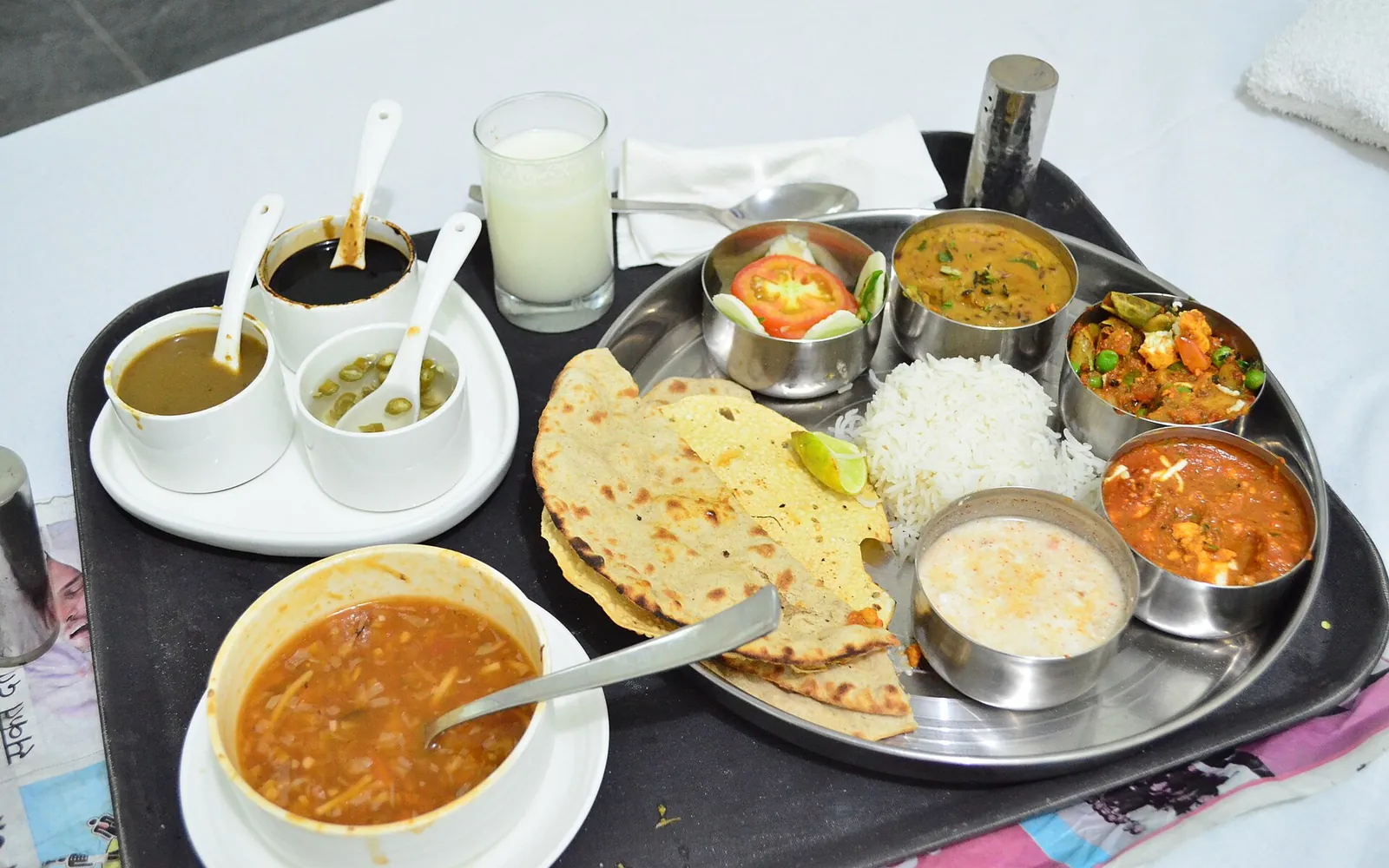
Indian home food already suits sport well. A plate of roti or rice with dal, a vegetable, curd and some salad covers carbohydrates for energy, protein for repair, and vitamins and minerals. The ICMR-National Institute of Nutrition’s 2024 Dietary Guidelines for Indians recommend a varied diet built from cereals and millets, pulses, milk and milk products, vegetables, fruits, nuts and seeds, with limited sugar, salt and highly processed foods. That is a good blueprint for athletes too.
Building the plate
- Energy (carbohydrates): roti, rice, millets such as bajra and jowar, poha, upma, potatoes and fruit. These fuel training and matches.
- Protein: dal, rajma, chana, soy, paneer, milk and curd, and eggs, fish or chicken for non-vegetarians. Combining cereals with pulses, as in dal-roti or khichdi, improves protein quality.
- Vitamins and minerals: green leafy vegetables, seasonal vegetables and fruit, nuts and seeds. Iron (greens, pulses, jaggery in moderation, meat) matters especially for girls and endurance athletes.
- Calcium: milk, curd, paneer and ragi help growing bones.
- Fats: a moderate amount of oil or ghee in cooking, plus nuts and seeds.
Before training
The aim is to start training with energy but without a heavy stomach.
- Two to three hours before: a normal light meal, for example dal-rice, chapati with sabzi, or poha with curd.
- About an hour before: a small snack if hungry, such as a banana, a chapati roll, a glass of milk or a few dates.
- Avoid just before training: fried foods, very spicy meals, large amounts of sweets and new foods you have not tried before.
Early-morning sessions are common in Kota because of the heat. If your child trains at sunrise, a banana or a glass of milk before leaving is better than nothing, followed by a proper breakfast afterwards.
After training
Within an hour or two after training, eat a meal or snack that combines carbohydrates and protein to refill energy and help muscles recover: dal-rice, a paneer or egg roll, curd with poha, or milk with a banana and a handful of peanuts. After evening training, a normal dinner does the job.
Water and heat
Kota’s summers are long and hot, and dehydration is a real risk in outdoor sport. Our guide to playing sports in Kota’s heat covers heat illness in detail. For nutrition:
- Drink water regularly through the day, not only at practice.
- Carry a bottle to every session and drink during breaks.
- After long, sweaty sessions, replace salts as well as water: salted nimbu pani, buttermilk (chaas), coconut water or an oral rehydration solution.
- Watch for warning signs such as very dark urine, headache, dizziness, cramps or unusual tiredness, and stop training if they appear.
- Sugary soft drinks and energy drinks are not needed for normal training, and energy drinks with caffeine are not suitable for children.
Protein powders and supplements
Many gyms and shops push protein powders and supplements on teenagers. The ICMR-NIN 2024 guidelines advise against using protein supplements to build body mass and recommend getting protein from food combinations instead, noting concerns about long-term high intake. Products can also be mislabelled or contaminated.
For young athletes the safest approach is:
- Food first. A well-planned diet meets the needs of nearly all young players.
- No supplement without a doctor’s advice, especially for under-18s.
- Anti-doping risk. Athletes who compete at higher levels can be tested. Unregulated supplements may contain banned substances, and the athlete is responsible for what is in their body.
Our gym in Kota guide also explains how to say no to supplement sales pressure.
Students in hostels and PGs
Thousands of students in Kota live in hostels and paying-guest accommodation while preparing for exams, and many play sport or exercise to manage stress. To eat well on a mess menu:
- Eat every meal, including breakfast, even when busy.
- Take extra dal, curd and vegetables where you can.
- Keep simple snacks: bananas and other fruit, roasted chana, peanuts, makhana, and milk or curd.
- Limit instant noodles, packaged snacks and sugary drinks, which fill you up without much nutrition.
- If you exercise, plan a snack before and after, as above. Our fitness routine for Kota students fits exercise into a study day.
Special situations
- Weight categories (wrestling, boxing, martial arts): crash dieting or dehydrating to make weight is dangerous for young athletes. Ask a qualified coach and doctor for a safe plan. See our martial arts classes in Kota guide.
- Girls: irregular or missed periods, constant tiredness or frequent injuries can be signs of not eating enough; see a doctor. Our sports for girls in Kota guide has more.
- Health conditions such as diabetes, anaemia or food allergies need individual advice from a doctor or registered dietitian.
- Injuries: keep eating well while injured; recovery needs energy and protein. Our sports injury treatment guide explains where to start.
Food safety
Street food is part of life in Kota, but before training or a match choose freshly cooked food from clean, busy places, drink safe water and wash hands. A stomach upset the day before a tournament can undo weeks of preparation.
Trial days and long runs
Two situations need extra planning. On trial days, eat a familiar meal a few hours before, carry water and a simple snack such as fruit or a sandwich, and avoid trying anything new; our guide on how to prepare for cricket trials covers the rest of the day. For long runs and races, practise eating and drinking during training so race day holds no surprises, and plan water on routes in hot weather; see marathon training in Kota. If a personal trainer pushes supplements, ask a doctor or qualified dietitian first.
The bottom line
Regular home-style meals, a light snack before training, a proper meal after, plenty of water and no unnecessary supplements: that is the foundation of sports nutrition for young athletes. If you are unsure, a registered dietitian can give personalised advice.
Frequently asked questions
What should a young athlete eat in a day?
Three regular meals and one or two snacks built from everyday foods: roti or rice, dal or other pulses, milk or curd, seasonal vegetables and fruit, nuts and seeds, and eggs, fish or meat if the family eats them. Training days need more food, not special food.
What should my child eat before sports practice?
A light meal two to three hours before, or a small easy snack such as a banana, poha, a chapati roll or a glass of milk about an hour before. Avoid heavy, oily or very spicy food just before training.
Does a teenage athlete need protein powder?
Usually not. ICMR-NIN's 2024 Dietary Guidelines for Indians advise against protein supplements for building body mass and recommend getting protein from food combinations such as cereals with pulses, milk products, eggs, fish or meat. Speak to a doctor before giving any supplement to a child.
How much water should a child drink during sports in Kota?
There is no single number. Drink regularly through the day, carry a bottle to every session, sip during breaks and drink after training. Very dark urine, headache, dizziness or cramps are warning signs. In long, hot sessions, add salts through food, nimbu pani with a pinch of salt or oral rehydration solution.
Can coaching students in Kota hostels eat well for sport?
Yes, with some planning. Eat all the mess meals, add dal, curd and vegetables, and keep simple snacks such as bananas, roasted chana, peanuts and milk for before or after exercise.
What should I eat before a selection trial?
A familiar, light meal with carbohydrate a few hours before, plus water and a small snack for long days. Do not try new foods, supplements or energy drinks on trial day.
Sources
Editorial team
The Kota Sports team writes and updates these guides to sport in Kota, Rajasthan, checking facts against official sources and saying clearly where readers need to confirm details with a venue or organiser.