Sports in Kota
Marathon training in Kota: a step-by-step plan for beginners
Written by Kota Sports Editorial Team · Updated
Marathon training in Kota is growing as more students, professionals and older adults take up running, encouraged by city runs, charity events and races in nearby cities. Running a marathon (42.195 km) or a half marathon (21.0975 km) is a big but realistic goal for most healthy people, as long as they build up gradually and respect Kota’s heat. This guide sets out a step-by-step ladder from your first 5K to the full marathon, explains how to plan around the seasons, and covers shoes, food, water, injuries and how to choose a race.
We do not publish race dates or entry fees. Check events directly, as explained at the end.
The training ladder
Most running injuries come from doing too much too soon. Think of marathon training as a ladder, and only climb one step at a time.
Step 1: 5K. If you are new to running, start with a run-walk plan three times a week, such as the free nine-week NHS Couch to 5K programme. The goal is to run 5 km continuously at an easy, conversational pace.
Step 2: 10K. Keep three or four runs a week. Make one run a week a little longer than the others and increase it gradually. Most of your running should still feel easy.
Step 3: half marathon. Over roughly three months, build the weekly long run gradually towards about 16 to 18 km. Add one session a week of steadier or faster running, such as a few kilometres at a comfortably hard pace. Include an easier recovery week every three or four weeks.
Step 4: full marathon. After completing a half marathon comfortably, allow several months to prepare. The long run grows gradually and the total weekly volume rises, with recovery weeks built in. Many first-time marathoners walk briefly at water points; that is a sensible strategy, not a failure.
Taper. In the last two to three weeks, reduce your training so you start the race fresh.
Training around Kota’s seasons
Kota’s summers are very hot, and heat makes running harder and riskier. Plan your year around it:
- October to February: the best time for long runs and races. Build your main training block here.
- March to June: run at first light, keep runs shorter, slow down, and avoid long runs on the hottest days. Aim to maintain fitness rather than build it.
- Monsoon (roughly July to September): humidity makes running feel harder; watch for slippery surfaces, waterlogging and traffic visibility.
Check the forecast and heat warnings from the India Meteorological Department. Learn the signs of heat illness from the NHS guide and our guide to playing sports in Kota’s heat.
Where to run
Long runs need safe, preferably shaded routes with water access and limited traffic. Our guide to places to run in Kota covers parks, lakesides, grounds and tracks, with safety advice for road running. Vary surfaces where you can; softer surfaces are kinder on the legs for easy runs.
Shoes and kit
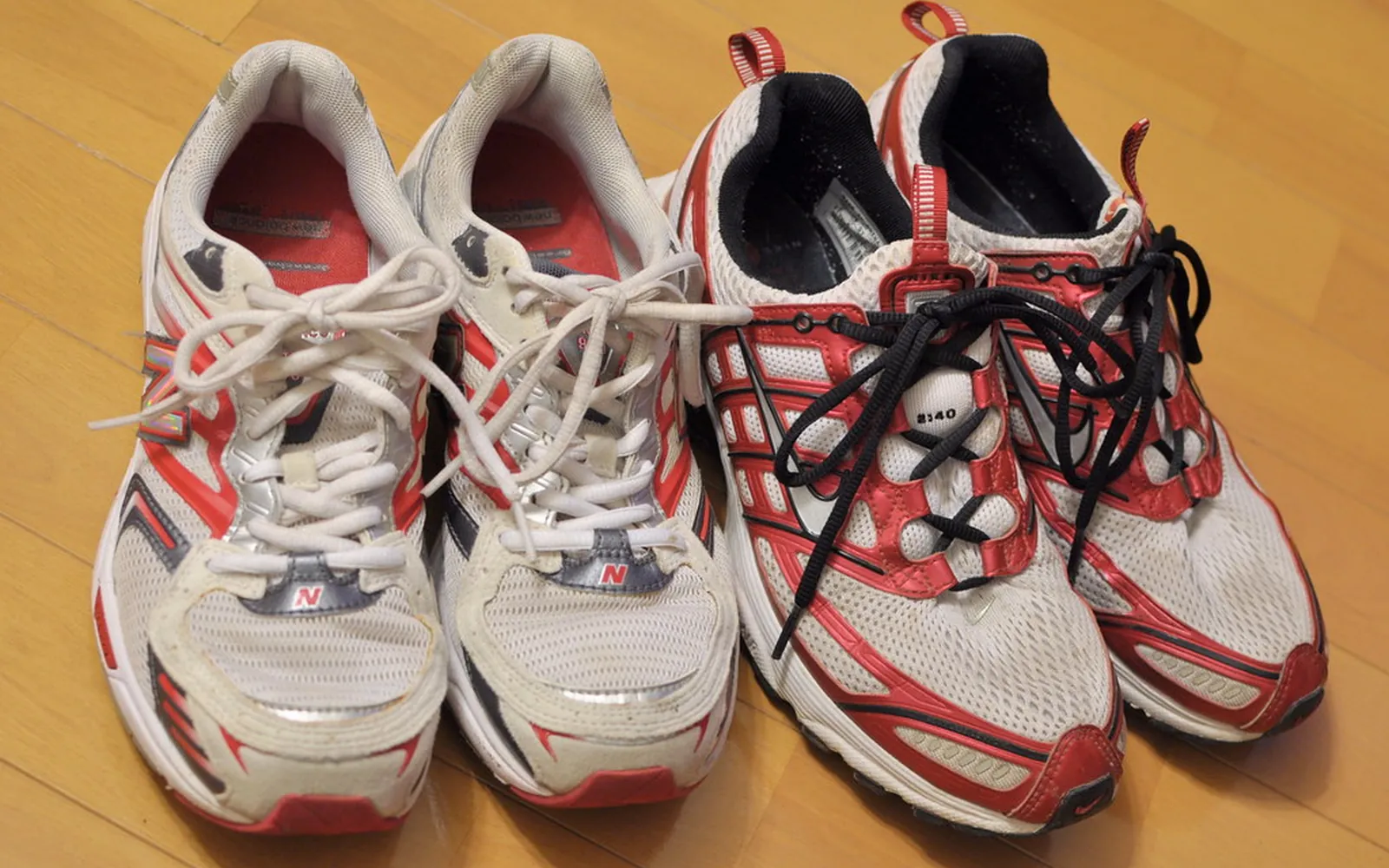
Running shoes are the one essential purchase. Choose for fit and comfort on your foot rather than looks or price, and replace them when the cushioning is worn. Our guide to how to choose sports shoes explains fit and replacement. Light, breathable clothing, a cap, sunglasses and sweat-proof sunscreen help in the heat.
Food, water and recovery
- Eat regular balanced meals with enough carbohydrate for longer runs. See sports nutrition for young athletes for practical, food-first advice that also applies to adults.
- On runs longer than about an hour, carry water or plan routes past safe water points. Practise drinking and any snacks during training, not for the first time on race day.
- Sleep well and keep at least one rest day a week.
- Add two short strength sessions a week (squats, lunges, calf raises, planks); see our gym in Kota guide or do them at home.
Common injuries and warning signs
Runners commonly get shin pain, knee pain, Achilles and calf problems and plantar heel pain, usually from building up too quickly or worn shoes. Rest, reduce training and get pain checked if it does not settle. See sports injury treatment in Kota. Stop immediately and seek medical help for chest pain, severe breathlessness, fainting or confusion. Get a medical check-up before starting if you are over 40, have been inactive, or have heart disease, high blood pressure or diabetes.
Pace: why easy running matters
Beginners often run every session too fast. Most of your weekly running should be at an easy, conversational pace, where you could speak in full sentences. Easy running builds the heart, lungs and legs with less injury risk, and leaves energy for the long run and one harder session. If you use a watch or phone app, focus on time and effort rather than chasing a pace every day. In hot or humid weather, expect to run slower at the same effort; that is normal.
Running groups
Training with others makes early mornings easier and long runs safer. Ask at parks and grounds where runners gather, at gyms and among colleagues. Cyclists and runners often share routes; see cycling in Kota for cross-training ideas.
Training through the monsoon
The rainy season interrupts many training plans in Kota, but it can also be a useful time to build your base before the cooler months.
- Lightning: if you hear thunder, stop and go indoors to a proper building. Wait about 30 minutes after the last thunder.
- Water: avoid flooded roads, underpasses, and routes along the river and canals during heavy rain or when water is released from dams.
- Footing: wet roads, painted markings and tiles are slippery; shorten your stride and slow down on corners.
- Humidity: even on cooler days, humid air makes running feel harder. Drink water and adjust pace by effort, not by the watch.
- Mosquitoes: dawn and dusk runs overlap with mosquito activity; cover up and use repellent.
Our guide to sports in the monsoon in Kota covers these risks in more detail. On days you cannot run outside, a strength or skipping session keeps your plan on track; see how to improve stamina for sports.
Recovery matters more as mileage rises. Long runs and hard sessions need good sleep and easy days around them; our guide to sleep and recovery for young athletes explains the principles, which apply to adult runners too.
Choosing a race
Before you register for any run, check:
- Organiser: who runs it, and is there a clear website or contact?
- Course: distance, route, road closures and whether the course is measured. Some major Indian races use courses measured to international standards; World Athletics and the Athletics Federation of India set rules for sanctioned road races.
- Medical support and water: ambulances, medical stations and water points along the course.
- Start time: early starts are much safer in hot weather.
- Refund and transfer rules: if you are injured before the race.
Our guide to sports tournaments in Kota explains how to check whether an event is genuine.
Frequently asked questions
Should I run in the rain during the monsoon?
Light rain is fine for most runners if the route is safe, but avoid flooded roads, underpasses, and the river and canal banks during heavy rain, and never run during thunderstorms. Wear shoes with good grip and use reflective or bright clothing in poor light.
How long does it take to train for a marathon?
For someone who already runs regularly, many plans take about four to five months to prepare for a full marathon. Complete beginners should first build up to a 5K and 10K, which can take several more months. There is no rush; the safest approach is gradual.
Is there a marathon in Kota in 2026?
Running events, including fun runs, 10K races and half marathons, are held in many Indian cities, and Kota sees community and charity runs. We do not publish dates we cannot confirm. Check local news, running groups and event websites, and verify the organiser before paying.
When is the best season to train in Kota?
The cooler months from roughly October to February are the best time for long runs and races. In summer, run very early, shorten sessions and focus on maintaining fitness rather than building it.
How many days a week should I run?
Beginners often start with three runs a week with rest or cross-training days in between. Experienced runners may run more, but every plan needs easy days and at least one rest day.
Do I need to see a doctor before marathon training?
It is sensible to get a check-up before starting, especially if you are over 40, have been inactive, or have heart disease, high blood pressure, diabetes or a family history of heart problems.
Sources
Editorial team
The Kota Sports team writes and updates these guides to sport in Kota, Rajasthan, checking facts against official sources and saying clearly where readers need to confirm details with a venue or organiser.