Academies and coaching
How Kota's youth balance studies and sports
Written by Kota Sports Editorial Team · Updated
Kota is known across India as a coaching city, where students spend long days preparing for exams. Learning to balance studies and sports is one of the most practical things Kota students can do for their wellbeing. Regular exercise supports sleep, mood and concentration, and an hour away from books often makes the next study session more productive. This guide explains why sport helps, which sports fit a coaching timetable, and how to build a routine that works.
Why exercise helps during exam preparation
Long hours sitting at a desk take a toll on the body and mind. Regular physical activity:
- improves sleep, which is when the brain consolidates what you learn,
- lifts mood and reduces stress,
- breaks up long sitting periods, easing back and neck strain,
- gives structure to the day and a reason to step away from screens,
- builds friendships, which matter when you are far from home.
The World Health Organization recommends that adolescents get an average of about an hour a day of moderate to vigorous physical activity. That may not be realistic every day during coaching, but even 30 minutes most days helps.
Sports that fit a coaching timetable
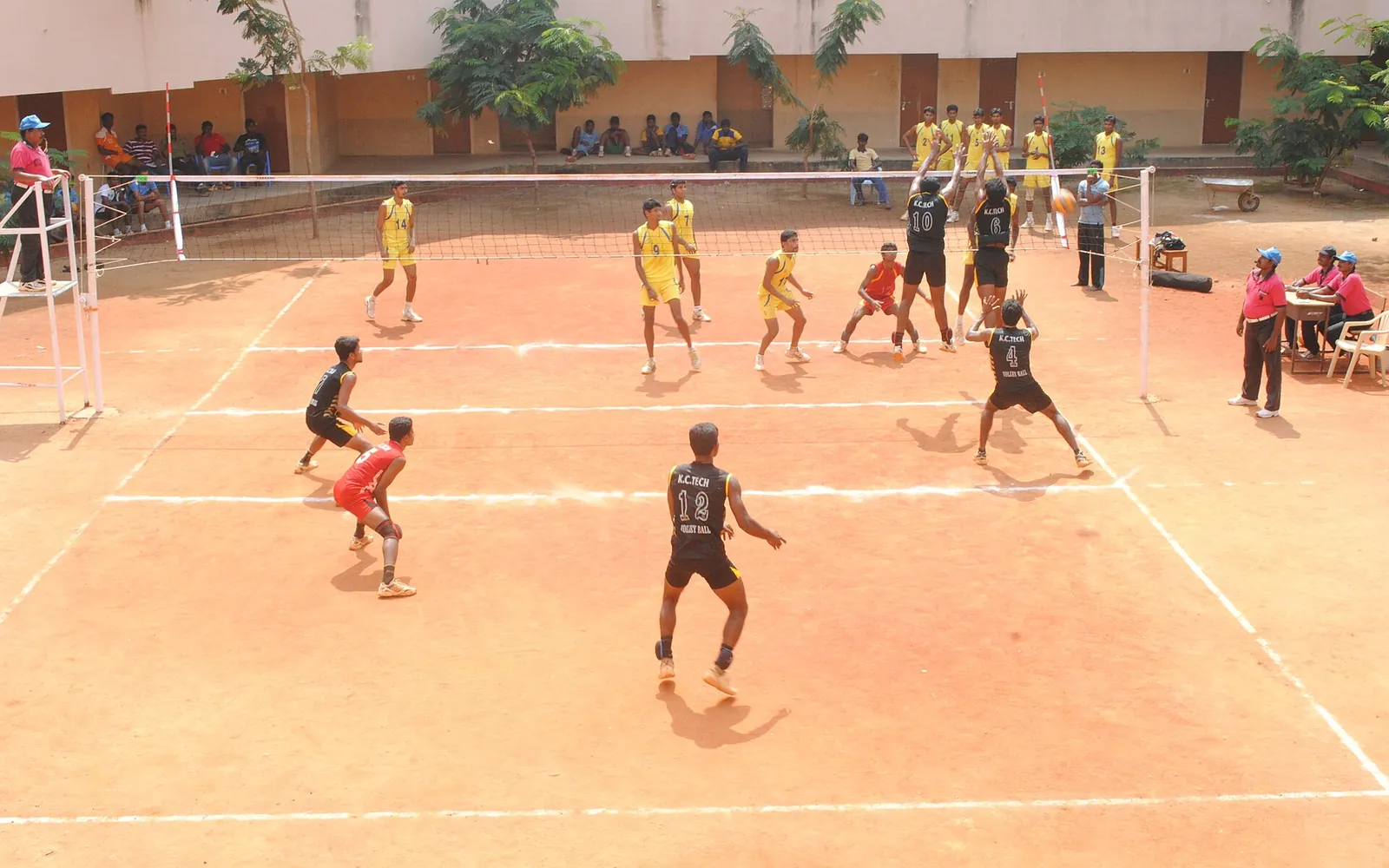
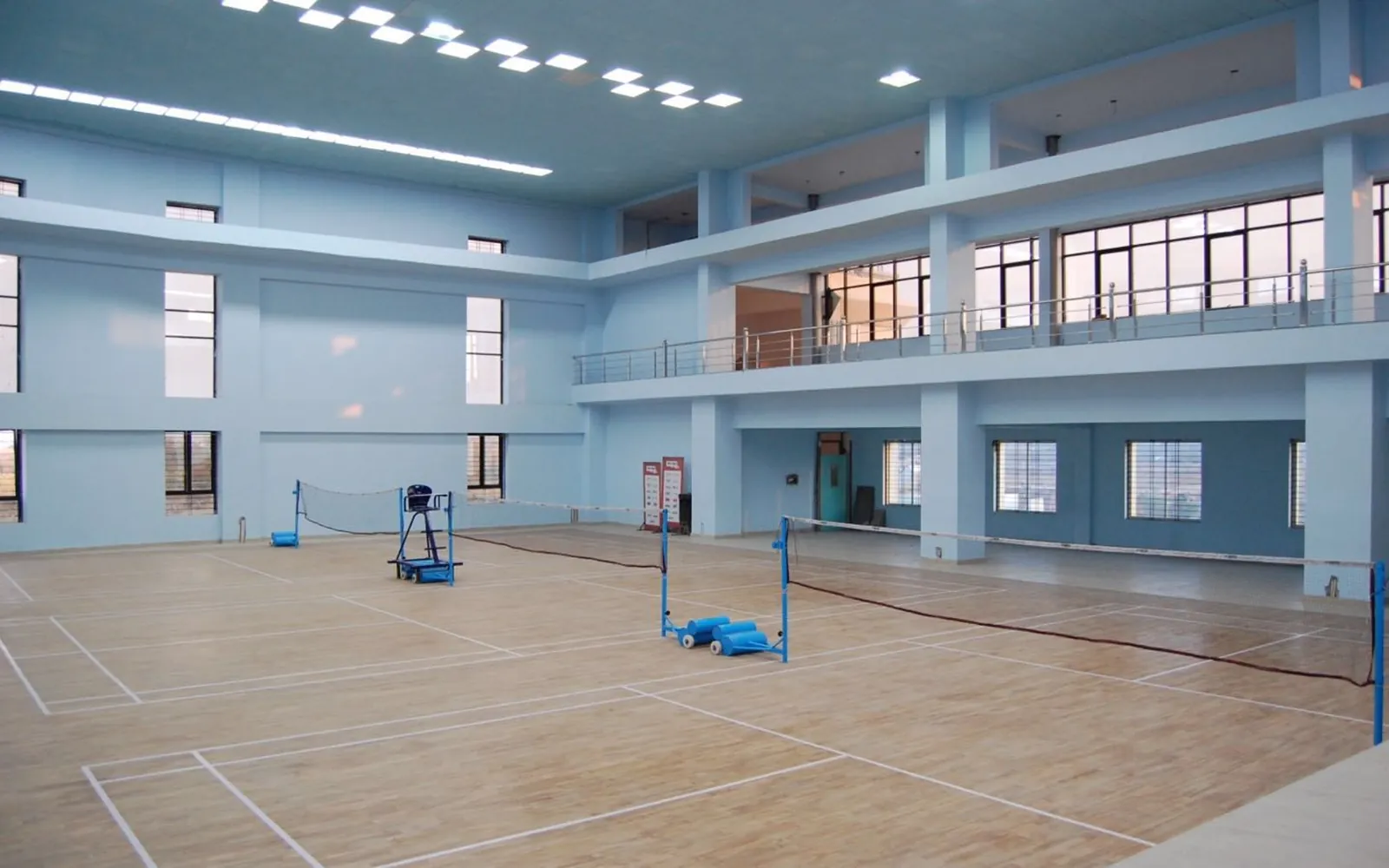
Badminton. An hour on court is excellent exercise, and indoor courts work in any weather. See our guide to badminton in Kota.
Table tennis. Quick, social and often available in hostels. Read about table tennis in Kota.
Running and walking. No booking, no fees, and you can go before classes. Our athletics in Kota guide has safety tips.
Swimming. A great summer option when the heat makes other sports hard. See swimming in Kota.
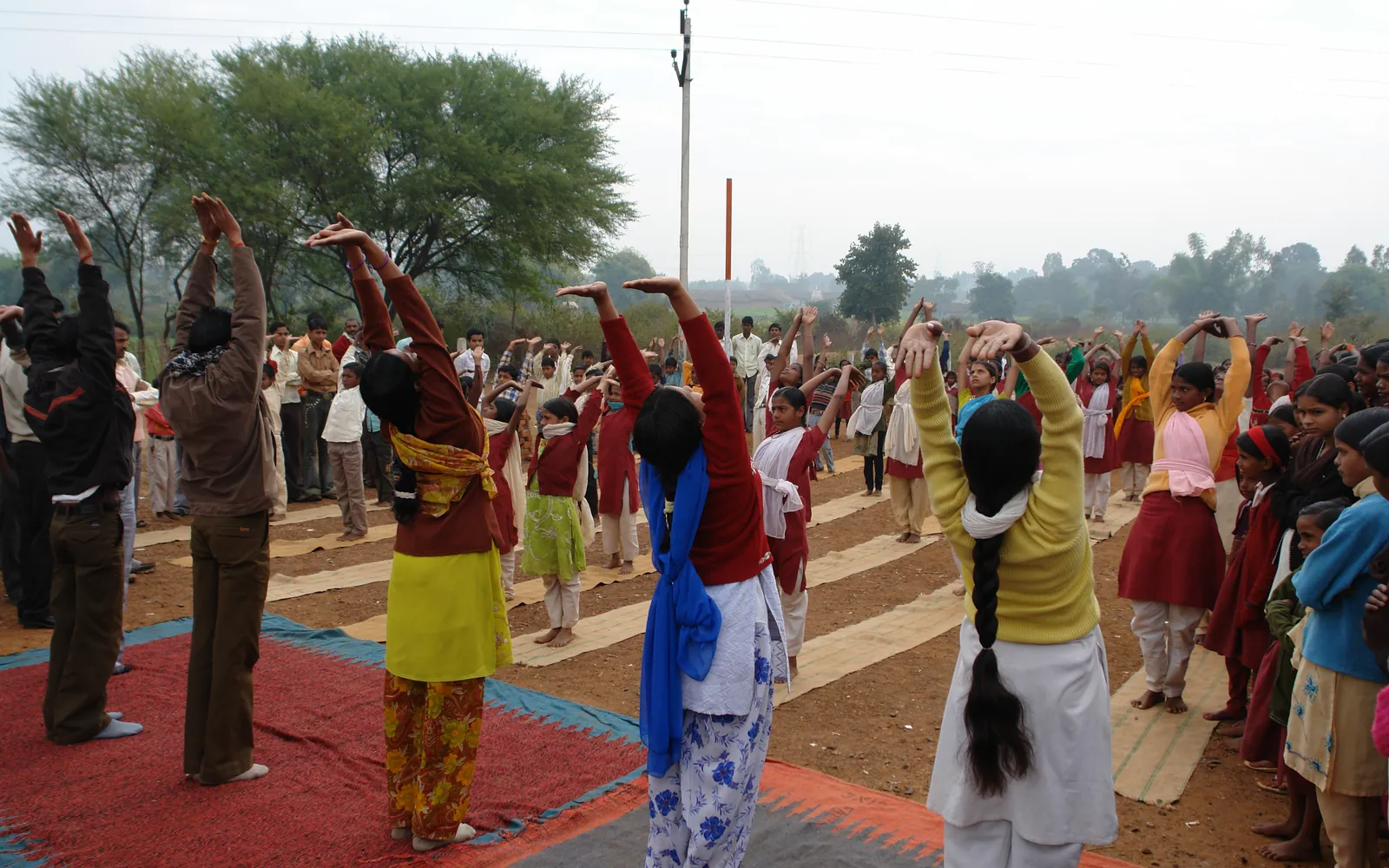
Yoga and bodyweight exercise. Can be done in a hostel room in 20 minutes.
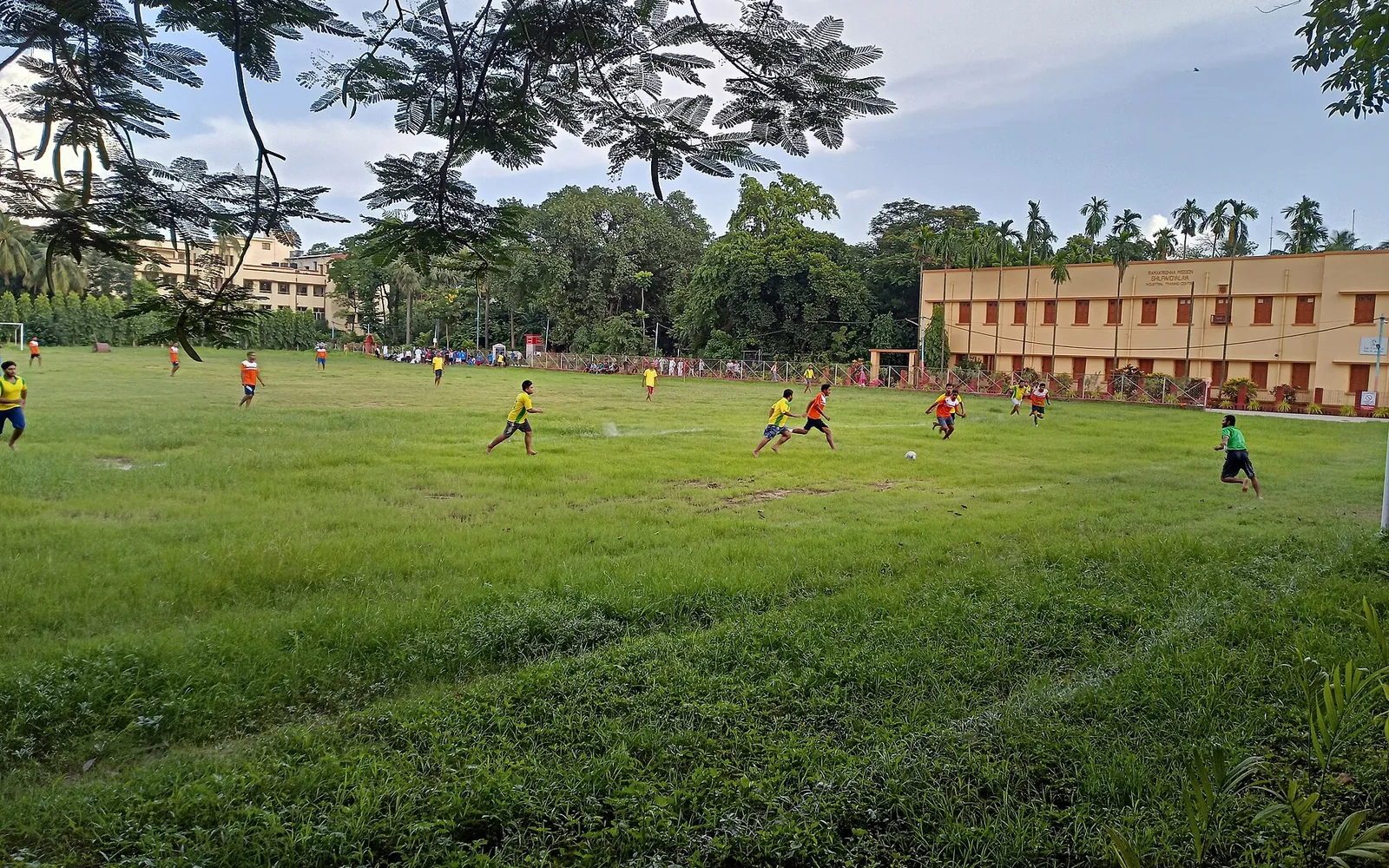
Weekend cricket or football. Good for socialising with hostel-mates. See cricket in Kota and football in Kota.
Sample weekly routines
Light routine (heavy study weeks):
- Three mornings: 20 to 30 minutes of brisk walking or jogging.
- Two evenings: 30 minutes of badminton or table tennis.
- Daily: 10 minutes of stretching before bed.
Balanced routine (normal weeks):
- Four sessions of 45 to 60 minutes of a sport you enjoy.
- One longer weekend game with friends.
- Short movement breaks every hour while studying.
Treat exercise like a class: put it in your timetable at a fixed time so it does not get pushed aside.
Making it work in a hostel or PG
- Ask your warden what facilities are available nearby.
- Find a sports partner from your hostel; you are more likely to turn up if someone is waiting.
- Keep shoes and kit ready the night before for morning sessions.
- Avoid intense exercise late at night, which can make sleep harder.
Kota’s weather
From April to June, avoid outdoor exercise in the middle of the day. Go early in the morning or after sunset and drink plenty of water. In the monsoon, indoor sports keep you going. The cooler months from October to March are the best time for outdoor sports.
Mental health
Sport helps, but it is not a cure for serious stress, anxiety or low mood. If you feel overwhelmed, hopeless or unable to cope, talk to someone you trust: a parent, friend, warden or institute counsellor. Tele-MANAS, the national mental health helpline run by the Ministry of Health and Family Welfare, is free and available 24x7 on 14416. In an emergency, call 112.
For parents
Encourage your child to keep at least some regular activity. Ask the hostel and institute what sports facilities and timings are available. If your child is joining an academy, our beginner’s guide to joining a sports academy in Kota explains what to check. Summer breaks are a good time for structured programmes; see our guide to summer sports camps in Kota.
A 30-minute daily plan you can start today
If you do nothing else, protect one 30-minute slot a day. Five minutes of warm-up, fifteen minutes of bodyweight strength (squats, push-ups against a bed or wall, glute bridges, lunges and a plank), ten minutes of brisk walking or a quick game, and a few minutes of stretching for the hips, hamstrings and neck. It needs no equipment and fits in a hostel room. Our fitness routine for Kota students sets it out step by step, with a sample week built around test days.
Between study blocks, stand up every hour for three to five minutes. A short walk to refill water, ten squats and a neck stretch break up long sitting and make the next block easier to start.
Common mistakes students make
- All or nothing. Joining a gym for a year, going hard for two weeks, then stopping. Short, regular sessions work better than bursts.
- Training late at night. Hard exercise just before bed can make it harder to fall asleep. Move it earlier if you can.
- Skipping meals before tests. Regular meals and water matter more than any supplement.
- Ignoring the heat. Outdoor games in the afternoon from April to June are risky. See playing sports in Kota’s heat.
- Going alone at night. Walk or run on busy, lit routes with a friend, and tell your warden when you go out.
If you want structured training, short plans at a gym or academy close to your hostel are easier to keep than long contracts; see our checklist for choosing a gym in Kota.
Short brain breaks on study days
Long study blocks are easier when they are broken up with short, planned breaks. A few options that need little time or space:
- A 10-minute skipping or walking break between study blocks. Our skipping rope workout for beginners shows how to start safely in a small space.
- A quick stretch routine after a long sitting session, using the movements in our warm-up exercises before sports.
- A short chess puzzle session instead of scrolling a phone. Our chess tactics for beginners guide explains how to practise in 10 to 20 minutes, but keep it time-limited so it stays a break.
- A few games of table tennis in the hostel common room; see table tennis rules for beginners.
How much activity is recommended
The World Health Organization recommends that children and adolescents aged 5 to 17 do an average of at least 60 minutes a day of moderate-to-vigorous physical activity, mostly aerobic, and that adults do at least 150 to 300 minutes of moderate activity a week. Many students preparing for exams fall short of this. You do not need to reach the target on day one: start with what you can keep up during your coaching schedule, and build from there.
Weekend sport without losing study time
A single planned game at the weekend, such as a set of tennis, a football match or a game of basketball, gives you something to look forward to and a proper break from screens. Agree the time in advance, keep it to a fixed slot, and learn the rules properly so the game runs smoothly; our guides to tennis rules, football rules and basketball rules cover the basics.
How to check current information
- Facilities near your hostel: ask your warden and search maps for courts, pools and grounds nearby.
- Fees and timings: ask each venue for written details.
- Fitness ideas: the Fit India Movement publishes free fitness guidance.
Frequently asked questions
Should students stop sports during exam preparation?
Most students benefit from keeping some regular exercise, even if they reduce it. Short sessions of 30 to 45 minutes several times a week can help sleep and focus. Reduce intensity during exam weeks rather than stopping completely.
Which sports suit students in Kota hostels?
Sports that need little time and equipment work best: badminton, table tennis, running, skipping, yoga and swimming in summer. Weekend cricket or football with hostel-mates is good for socialising.
How much exercise do teenagers need?
Public health guidance generally recommends an average of about an hour a day of moderate to vigorous activity for adolescents. Any regular activity is better than none.
Where can a student get help for stress in Kota?
Talk to a parent, friend, warden or institute counsellor. Tele-MANAS, the national mental health helpline, is free and available 24x7 on 14416. In an emergency, call 112.
What is a simple daily workout for a Kota hostel student?
A 30-minute routine of warm-up, bodyweight exercises such as squats, push-ups, bridges and planks, a brisk walk and stretching works for most students and needs no equipment. Our fitness routine for Kota students sets it out step by step.
How much exercise should students do each day?
The World Health Organization recommends an average of at least 60 minutes a day of moderate-to-vigorous physical activity for children and adolescents aged 5 to 17. Students with heavy study schedules can start smaller and build up, for example with two or three short sessions a day.
Sources
Editorial team
The Kota Sports team writes and updates these guides to sport in Kota, Rajasthan, checking facts against official sources and saying clearly where readers need to confirm details with a venue or organiser.