Sports in Kota
Swimming in Kota: lessons, training and competitions
Written by Kota Sports Editorial Team · Updated
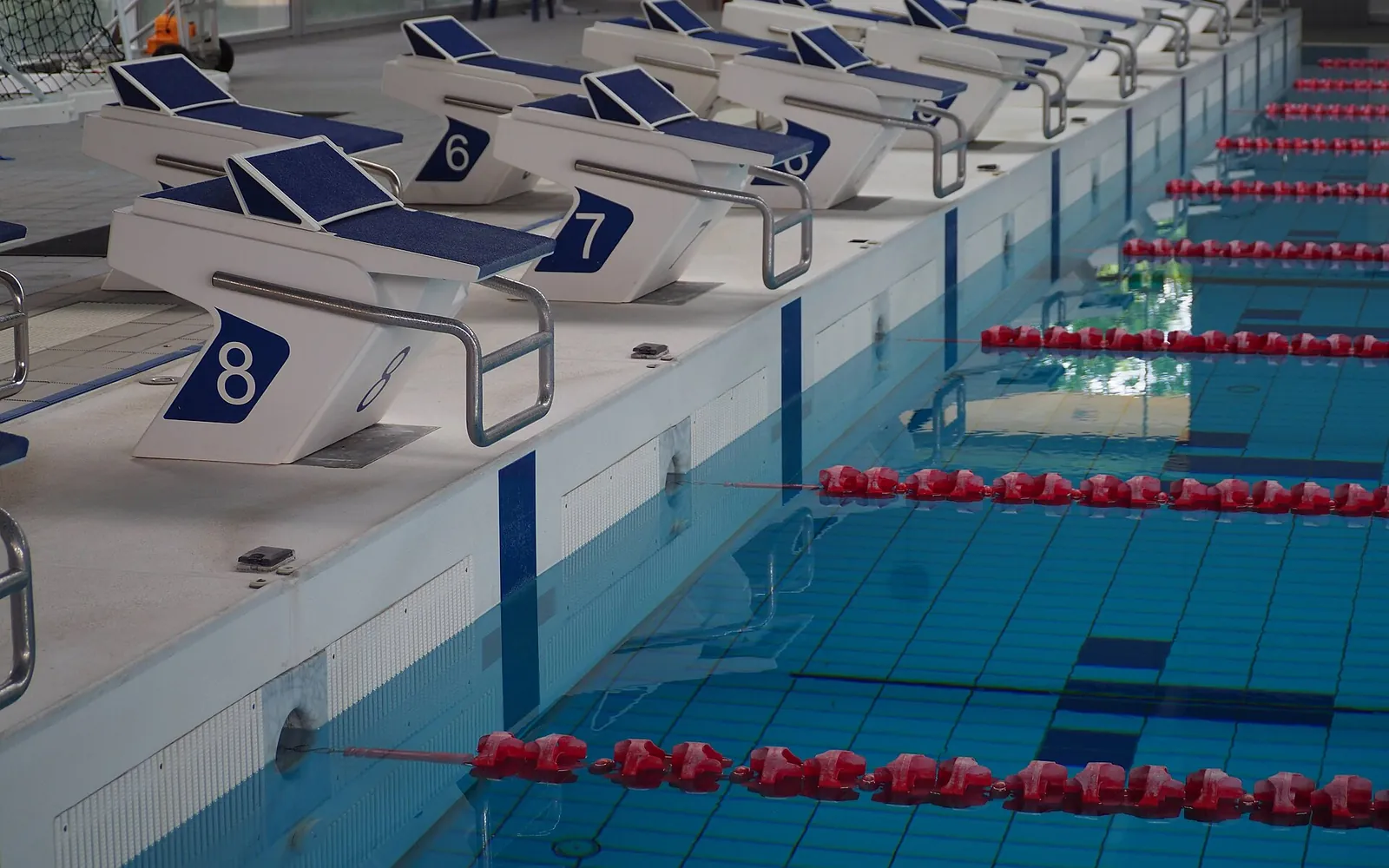
Swimming in Kota is both a summer escape and a serious sport. When temperatures climb in April, May and June, pools fill with children in learn-to-swim batches, adults swimming for fitness and young competitors training for galas. This guide explains how to learn to swim in Kota, how competitive swimming works, and how to stay safe in and around water.
If you are looking for a pool, read our companion guide to swimming pools in Kota, which explains the types of pools in the city and what to check before you pay.
Learning to swim
Most beginners in Kota learn in group batches during the summer. A good learn-to-swim programme follows a clear progression:
- getting comfortable in water, including putting your face in and blowing bubbles,
- floating on front and back,
- kicking with a float, then without,
- arm strokes and breathing,
- swimming a short distance unaided, and learning how to get out of the pool safely.
Ask how many learners each instructor supervises, whether there is a separate shallow area for beginners and whether a lifeguard is on duty in addition to the instructor.
Adults learning to swim
It is never too late to learn. Many adults in Kota did not have the chance to learn as children. Look for adult-only batches, which feel more comfortable, and tell your instructor if you are nervous in water. Progress may be slower than for children, but the steps are the same.
Competitive swimming
Swimmers who want to compete usually join a squad that trains several times a week, practising all four strokes (freestyle, backstroke, breaststroke and butterfly), starts and turns. Competitions progress from club and school galas to district and state championships run under the state swimming association, which is affiliated to the Swimming Federation of India. Strong performers can qualify for national age-group championships.
Competition rules on strokes, starts and turns follow World Aquatics rules. A coach will help you understand qualifying times and entry deadlines. Our guide to sports tournaments in Kota explains how to follow announcements.
The swimming season
Swimming in Kota is seasonal. Outdoor pools are busiest from late March to June. Some pools close or reduce hours in the cooler months, and the monsoon can bring short closures for maintenance. Competitive swimmers who want to train year-round should ask whether a pool stays open in winter.
Water safety: rivers and canals
Kota sits on the Chambal River and is crossed by canals. Do not swim in the river, canals, ponds or quarry pits. Currents, sudden depth changes, cold water from upstream releases and underwater obstacles make open water dangerous, even for good pool swimmers. Learn and practise only in supervised pools.
If someone is in trouble in water, call for help and call 112. Throw something that floats rather than jumping in yourself, unless you are trained in water rescue.
Health and hygiene
- Shower before entering the pool.
- Wear a swimming cap if the pool requires it, and goggles to protect your eyes.
- Do not swim with an infection, open wound or stomach illness.
- Drink water: you still sweat while swimming in hot weather.
Kit
A well-fitting swimsuit, a cap, goggles and a towel are enough. Beginners may use floats or kickboards, which most pools provide. Our Kota sports gear guide has general tips on buying kit locally.
Swimming alongside other sports
Swimming is excellent cross-training for runners and team players because it builds fitness without impact. Many students use summer swimming to stay active during exam breaks; see how Kota’s youth balance studies and sports. If you are interested in a multi-sport summer programme, read our guide to summer sports camps in Kota.
Signs a learner is ready to move up
A learner is ready to move from a beginner batch to stroke improvement or squad training when they can swim a full length of the pool without stopping, breathe comfortably to the side, float and tread water, and get in and out of deep water confidently. Ask the instructor to assess them rather than moving up because a friend has.
Swimming in the heat: staying safe
Summer is swimming season in Kota, and pools are a welcome escape from the heat. But being in water does not stop you from overheating or dehydrating. Swimmers still sweat, and long sessions in outdoor pools under strong sun can lead to heat exhaustion and sunburn. Drink water before and after swimming, keep breaks in shade, use sunscreen on exposed skin and avoid the hottest hours in outdoor pools. Our guide to playing sports in Kota’s heat explains warning signs.
Swimming for fitness and recovery
Swimming is gentle on the joints, which makes it popular for recovery from running and court-sport injuries, and for people who find other exercise painful. If you are returning from an injury, ask your doctor or physiotherapist whether swimming suits your recovery; our guide to sports injury treatment in Kota explains who to see. For general fitness, two or three sessions a week of steady lengths work well alongside other activity.
Women and girls
Many pools offer women-only batches or female instructors; ask each pool directly. See sports for girls in Kota for more on choosing a safe and comfortable programme.
Which stroke to learn first
Most learn-to-swim programmes teach water confidence, floating and kicking before any full stroke. After that, the usual order is:
- Front crawl (freestyle), the fastest stroke and the one most used for fitness swimming.
- Backstroke, which keeps the face out of the water and suits learners who are nervous about breathing.
- Breaststroke, slower but useful for endurance and for looking ahead in open water.
- Butterfly, the most demanding stroke, usually taught last once the others are solid.
Coaches vary the order for each learner, so do not worry if your child starts with backstroke. What matters is steady progress and safe habits: entering the water feet first in unknown depths, never swimming alone, and getting out when tired or cold.
Questions to ask a swimming coach
- How many learners do you teach at once, and how are they grouped?
- What will my child be able to do at the end of the batch?
- Is there a lifeguard on duty as well as the coach?
- How do you handle a learner who is frightened of the water?
- What happens if a session is cancelled because of weather or pool maintenance?
For a wider view of choosing coaching, see our guide to choosing a sports academy in Kota, and for pool types and safety checks see swimming pools in Kota.
How to check current information
- Pool timings, batch dates and fees: ask each pool directly and ask for written rules.
- Competitions: your coach or the state swimming association.
- Government coaching camps: the district sports office and the Rajasthan State Sports Council.
Frequently asked questions
When do swimming classes start in Kota?
Many pools run their busiest learn-to-swim batches in the summer months, when schools are on holiday. Some pools close or reduce hours in winter. Ask each pool for its season dates and batch timings.
What age can a child learn to swim?
Many pools accept children from around 5 or 6 years old for group lessons, and some offer parent-and-child sessions for younger children. Ask the pool about age limits and the instructor-to-child ratio.
How long does it take to learn swimming?
Most beginners can float and swim a short distance after a few weeks of regular lessons, but becoming a confident swimmer takes longer. Progress depends on age, comfort in water and how often you practise.
Where is the swimming pool in Kota?
Kota has pools at clubs, sports complexes, hotels, schools and private facilities. Our guide to swimming pools in Kota explains the options and how to check access and safety.
Can you get heat exhaustion while swimming?
Yes. Swimmers still sweat and can become dehydrated, and long sessions in outdoor pools under strong sun add to the heat load. Drink water before and after, rest in shade and avoid the hottest hours.
Which swimming stroke should beginners learn first?
Most programmes start with floating, gliding and kicking, then teach front crawl or backstroke first. Breaststroke usually follows, and butterfly comes last. A good coach adjusts the order to the learner.
Sources
Editorial team
The Kota Sports team writes and updates these guides to sport in Kota, Rajasthan, checking facts against official sources and saying clearly where readers need to confirm details with a venue or organiser.