Gear and buying guides
Football boots for turf: how to choose the right soleplate
Written by Kota Sports Editorial Team · Updated
Football boots for turf are one of the most common buying questions from players in Kota, because so much of the city’s casual and league football now happens on artificial turf: small-sided pitches, box cricket and football venues, school and academy grounds. Turf is very different from natural grass, and the wrong studs can mean slipping, sore feet or worse, a twisted knee. This guide explains the soleplate codes you see on boxes (FG, SG, AG, TF, IC), which suit which surface, how football boots should fit, and how to look after them.
We do not recommend brands or shops, and we do not quote prices. Use this guide to choose the right type, then compare in person.
The soleplate codes explained
Manufacturers label boots by the surface they are designed for. The names vary slightly by brand, but the main types are:
- FG (firm ground): moulded studs of medium length for natural grass that is dry or firm. The most common “standard” football boot.
- SG (soft ground): fewer, longer studs, often metal or with metal tips, for wet, muddy grass. Not suitable for artificial turf and banned at many venues.
- AG (artificial grass): more numerous, shorter and often hollow studs, designed for modern long-pile artificial pitches with rubber infill (often called 3G).
- TF (turf): a rubber outsole covered in many small nubs or short studs, for short, hard artificial turf and very hard ground.
- IC or IN (indoor court): flat, non-marking rubber soles for indoor halls and futsal.
- MG (multi-ground): a compromise designed for both firm grass and artificial grass.
Which soleplate for Kota’s surfaces?
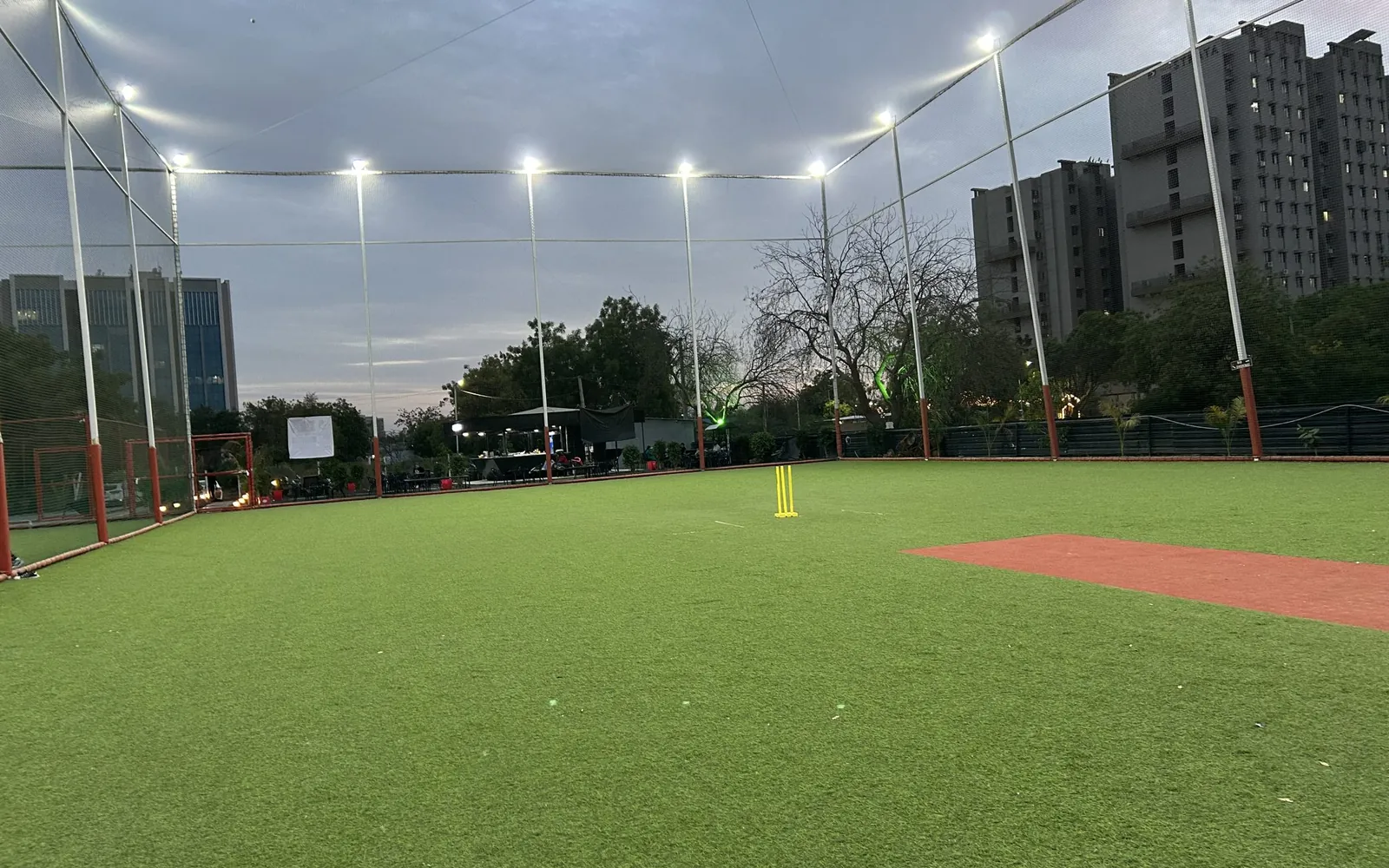
Short artificial turf (typical small-sided and box venues). Most turf venues in the city are short-pile pitches used for five-a-side or seven-a-side football and box cricket. TF shoes are usually the safest and most comfortable choice here, and many venues require them. See our guide to box cricket in Kota for more about turf venues and booking.
Long-pile 3G turf with rubber infill. AG boots are designed for this. Some players also use TF shoes. FG boots may be allowed, but the longer studs can stick in the surface.
Natural grass grounds. On dry, firm grass, which is common for much of Kota’s year, FG boots are the standard choice. During the monsoon, when grounds are soft, SG boots give more grip, but only where the ground allows them. On very hard, dry earth grounds, TF shoes are often more comfortable than studs.
Indoor halls and futsal. IC shoes with flat, non-marking soles.
If you play on several surfaces, choose for the one you use most. An MG boot or a pair of TF shoes plus a pair of FG boots covers most situations.
Why the wrong studs cause injuries
Studs are designed to sink into the surface a certain amount. On artificial turf, long FG or SG studs can grip too much, so your foot stays planted while your body turns, stressing the knee and ankle. On hard surfaces, long studs create pressure points under the foot. Too little grip, on the other hand, means slipping. The result can be ankle sprains, knee ligament injuries and foot pain. If you get hurt, read our guide to sports injury treatment in Kota and the NHS guide to sports injuries.
Football turf quality standards, such as the FIFA Quality Programme for football turf, test how surfaces interact with players, which is one reason venue rules on footwear exist.
How football boots should fit
- Length: a small gap, roughly a thumb’s width or less, in front of the longest toe. Boots that are too big cause blisters and poor control; too small cause black toenails.
- Heel: your heel should not lift much when you walk or jog.
- Width: snug but not painful across the widest part of the foot. Some models are narrow; try several.
- Socks: try on with your match socks, ideally in the evening.
- Children: resist buying several sizes too big. A little growing room is fine; floppy boots are not.
The general advice on athletic shoe fit from OrthoInfo applies to boots too. Our guide to how to choose sports shoes covers fit in more detail.
Materials
- Synthetic uppers: light, easy to clean and usually cheaper; common on TF shoes.
- Leather uppers: mould to the foot over time; need more care.
- Knit uppers: sock-like and light; check durability for rough turf.
Caring for boots in Kota’s climate
- Knock off mud and rubber crumbs after each game.
- Wipe with a damp cloth; avoid washing machines.
- Dry at room temperature with newspaper inside, away from direct sun and heaters, which crack uppers and weaken glue.
- Do not leave boots in a hot vehicle or bag for days.
- Rotate two pairs if you play very often.
When to replace
Replace boots or turf shoes when studs or nubs are worn flat, soles separate, uppers split, or your feet or knees start to ache during games. Worn studs on turf are a common cause of slips.
Matching the ball and the conditions
Boots are only half of the equipment question. The ball should suit both the player and the surface: younger children need a smaller, lighter ball, and futsal on hard indoor courts uses a low-bounce ball rather than an ordinary outdoor one. Our guide to football size by age explains sizes 3, 4 and 5 and how to check quality.
Conditions change too. In the monsoon, artificial turf and grass can both become slippery, and studs that grip well on dry turf may not be enough on wet, muddy grass. Check the surface before playing and see our guide to sports in the monsoon in Kota. Whatever you wear, start with a proper routine such as the one in warm-up exercises before sports, because sudden turns on turf put a lot of stress on knees and ankles.
Related guides
For where and how to play, see football in Kota. For general kit advice, read buying sports gear in Kota, and for staying safe in summer games, playing sports in Kota’s heat. The All India Football Federation publishes national competitions and grassroots programmes.
Frequently asked questions
Do I need a different football for turf, grass and futsal?
Most outdoor balls work on both grass and artificial turf, though a tougher training ball lasts longer on abrasive surfaces. Futsal needs its own low-bounce ball, usually marked size 4. Children also need the right size for their age group.
Can I wear normal football boots on turf?
Firm ground (FG) boots with long studs are designed for natural grass. On short artificial turf they can grip too much or too little and put stress on knees and ankles. Many venues ask for turf (TF) shoes or allow AG boots. Check the venue's rule.
What is the difference between TF and AG?
TF (turf) shoes have many short rubber studs or nubs for short, hard artificial pitches. AG (artificial grass) boots have more, shorter and often hollow studs than FG boots, designed for longer-pile 3G pitches with rubber infill.
Can I wear running shoes for turf football?
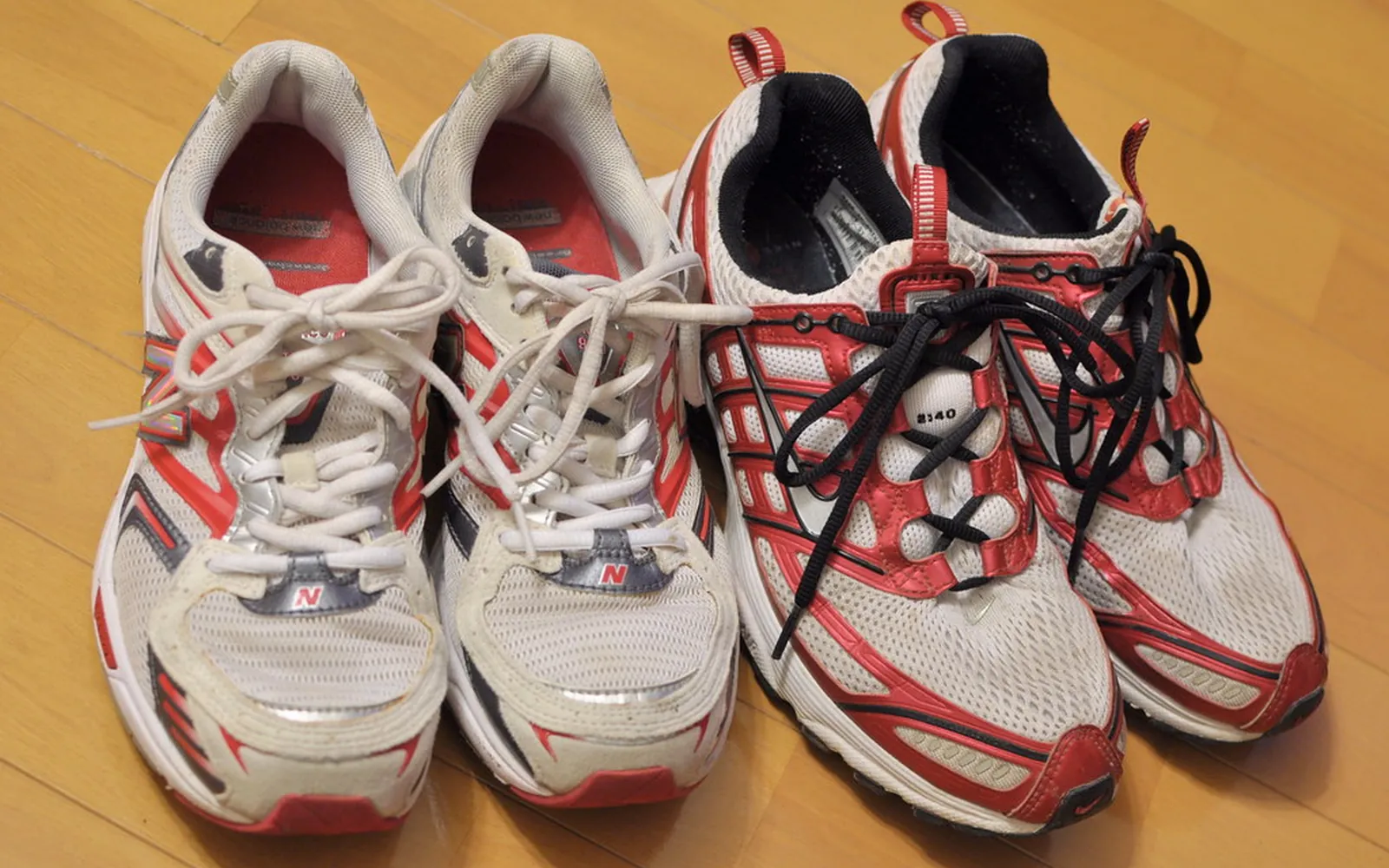
For a casual game they are better than the wrong boots, but running shoes lack side support and grip for quick turns. If you play regularly, turf shoes are safer.
How should football boots fit?
Snug around the heel and midfoot with a small gap (roughly a thumb's width or less) in front of the longest toe, tried on with your match socks in the evening when feet are slightly larger.
How long do turf shoes last?
It depends on how often and where you play. Replace them when studs are worn flat, the sole separates or the upper splits, or your feet start to hurt during games.
Sources
Editorial team
The Kota Sports team writes and updates these guides to sport in Kota, Rajasthan, checking facts against official sources and saying clearly where readers need to confirm details with a venue or organiser.