Sports in Kota
Kabaddi in Kota: where it is played and how to start
Written by Kota Sports Editorial Team · Updated
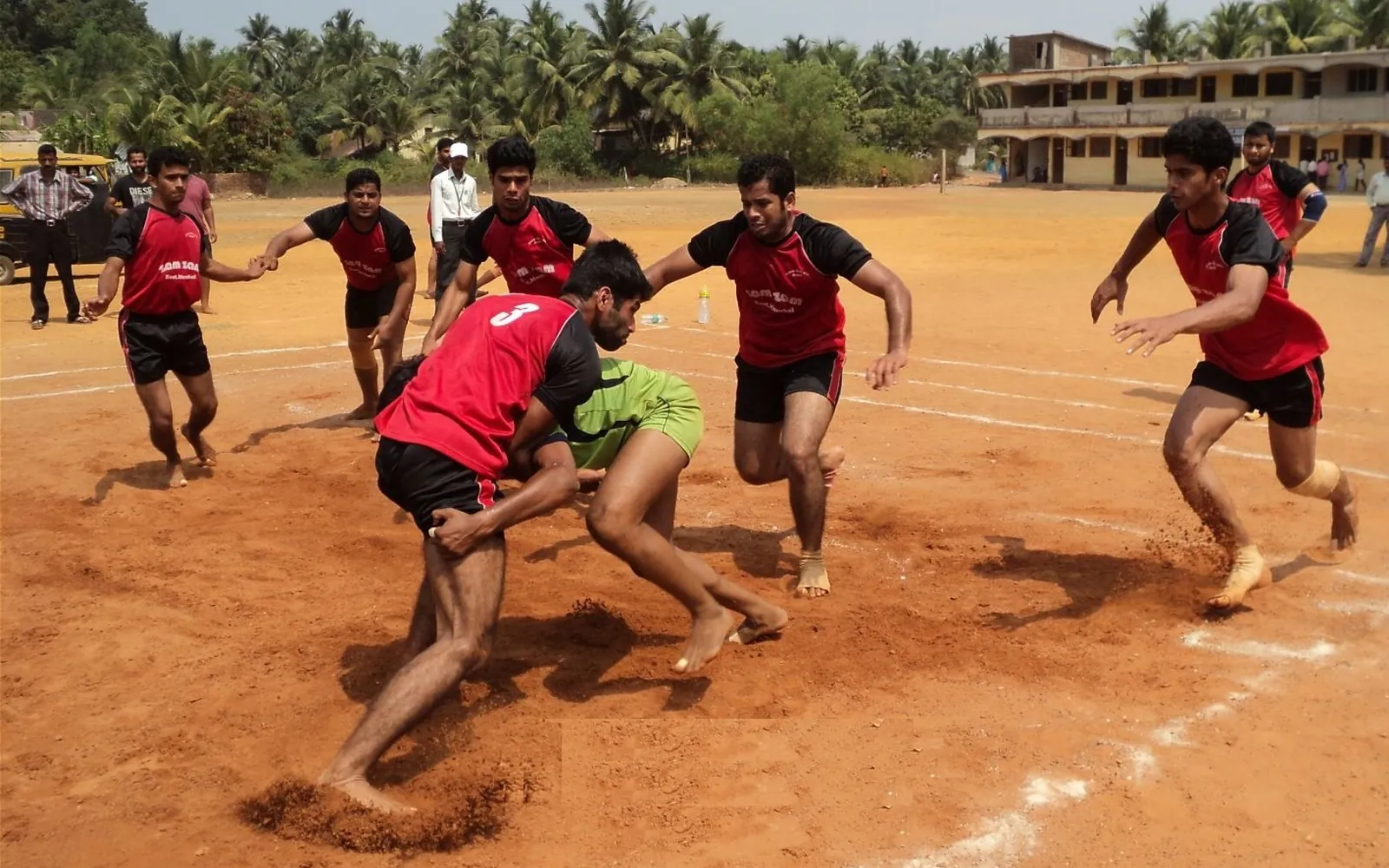
Kabaddi in Kota connects the city to one of India’s oldest games. Played on village grounds and school fields long before it became a televised professional sport, kabaddi needs almost no equipment, rewards strength, timing and teamwork, and has a clear competitive path from school level to state teams. This guide explains where kabaddi is played in and around Kota, how coaching and selection trials work, and what beginners need to know.
How kabaddi is played
Two teams of seven take turns to send a raider into the opponents’ half. The raider tries to touch one or more defenders and return to their own half in a single breath, chanting “kabaddi” to show they are not breathing in. Defenders try to stop the raider getting back. Points are scored for successful raids and successful tackles, and players who are “out” leave the court until their team revives them.
The game rewards quick feet, strong grip, balance and calm decision-making. Raiders and defenders need different skills, so most players specialise as they improve.
Where kabaddi is played in Kota
Schools. Kabaddi is part of many school sports programmes and inter-school competitions. For most young players, the school team is the first step.
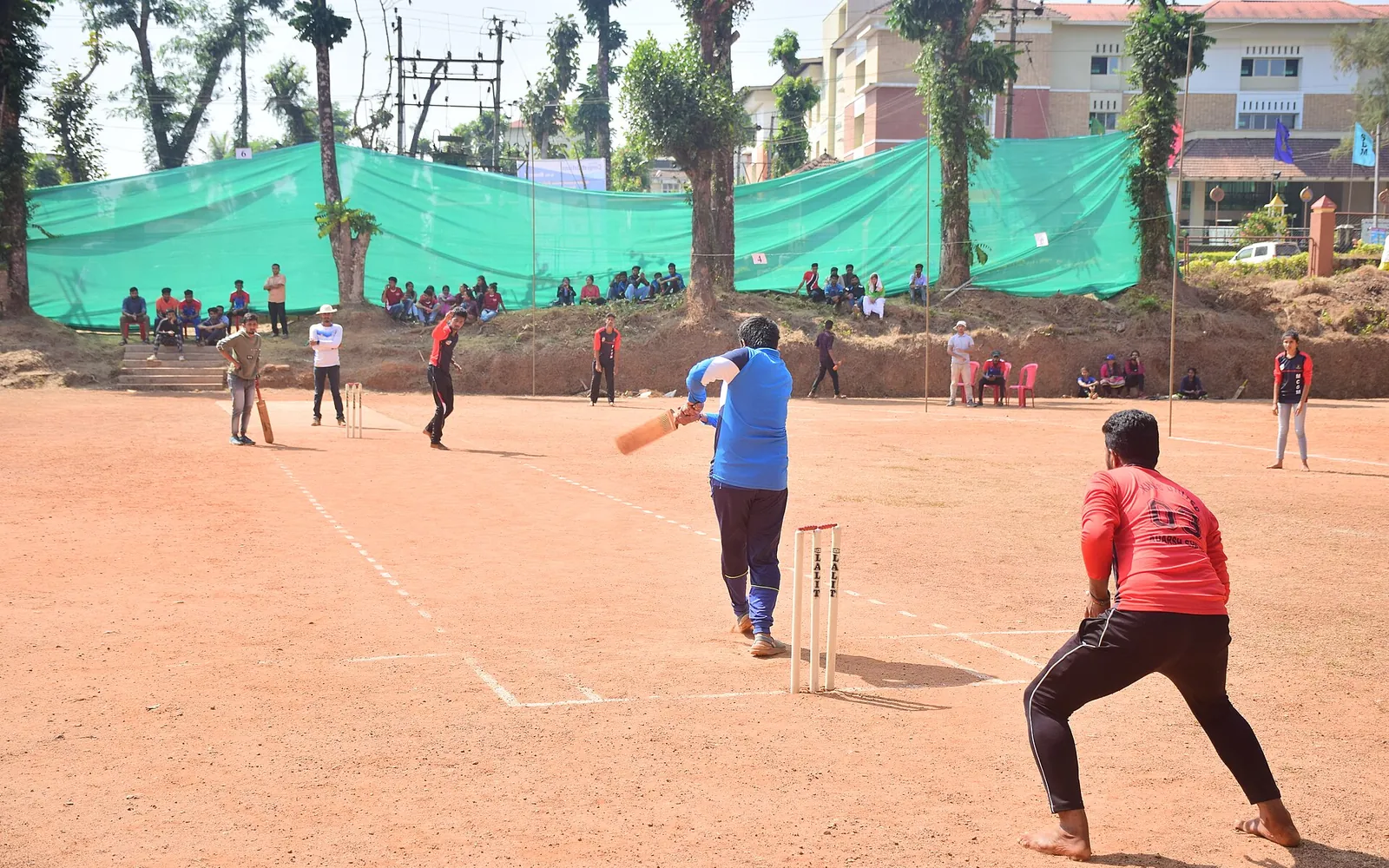
Community and village grounds. In the villages and towns of Kota district, kabaddi is often played on traditional mud courts, especially during festival tournaments.
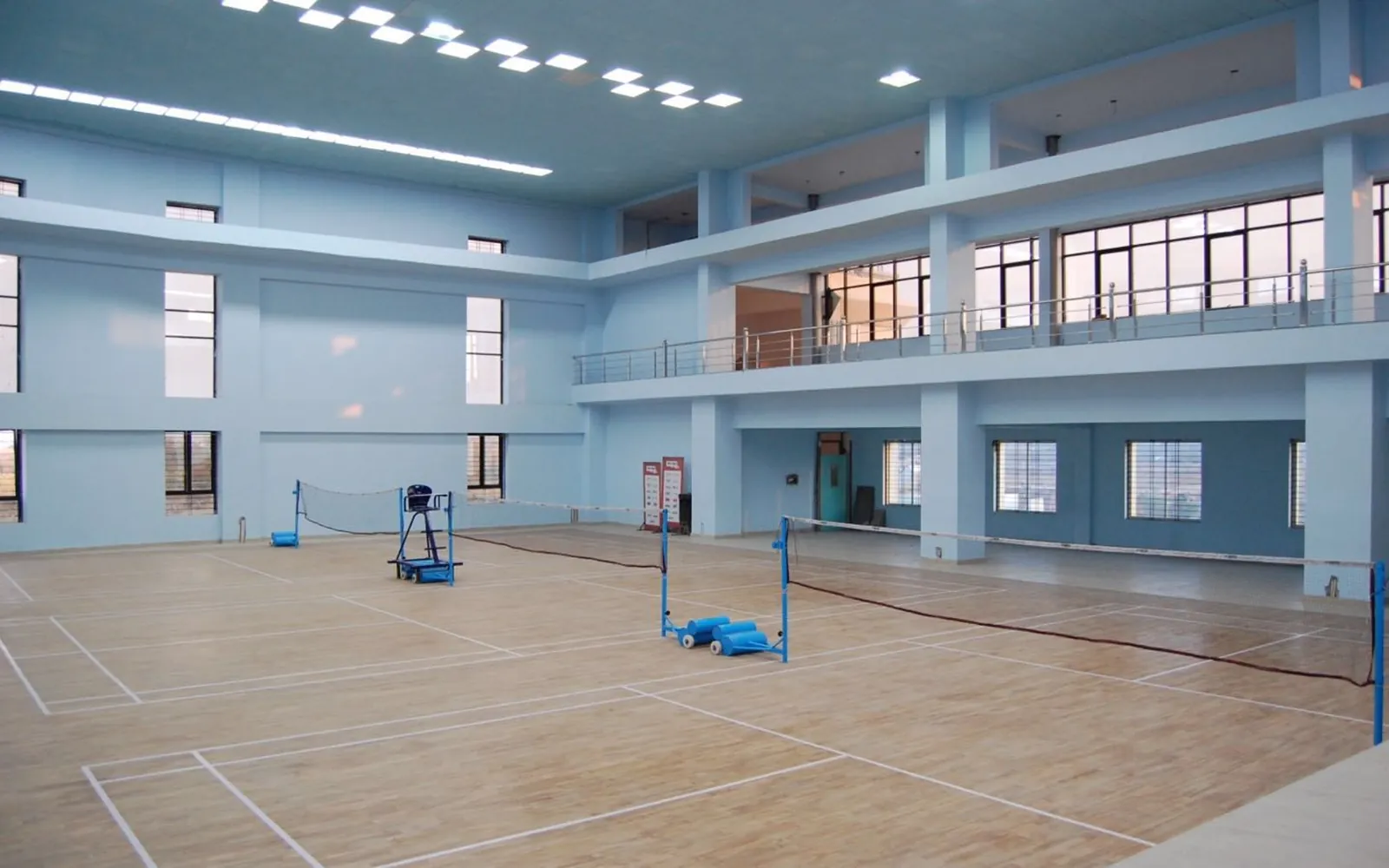
Sports complexes. District competitions and coaching programmes are often held at government sports complexes, sometimes on foam mats. See our guide to stadiums and sports complexes in Kota.
Mud courts and mats
Traditional kabaddi was played on soft, prepared earth. Modern competitive kabaddi is usually played on foam mats, which give a consistent surface and reduce some injuries but change how players move and grip. If you plan to compete seriously, try to train on mats as well as earth.
Coaching and selection trials
Kabaddi teams at district and state level are picked through trials and tournament performance, organised by kabaddi associations and sports departments. Trials have age and sometimes weight categories, and require identity and age documents.
Trial dates are announced at short notice. The best ways to stay informed are:
- join a school team or a coached group whose coach is connected to the district association,
- ask the district sports office about upcoming trials and coaching schemes run under the Rajasthan State Sports Council,
- read local newspapers, which often carry trial notices.
Our guide to sports tournaments in Kota explains how to check whether a tournament or trial notice is genuine.
Safety
Kabaddi is a contact sport. Before you start:
- Warm up properly. Knees, ankles and shoulders take the most strain.
- Keep nails short and remove jewellery to avoid scratches and injuries to others.
- Learn safe tackling and falling from a coach before full-contact practice.
- Stay hydrated. Afternoon games in Kota’s summer can cause heat illness.
Fitness for kabaddi
Good kabaddi players combine explosive leg power, grip strength and core stability. Sprints, bodyweight exercises such as squats and push-ups, and grip work all help. Players training for trials often combine kabaddi practice with running work; see our guide to athletics in Kota for places to train.
Watching kabaddi
Local tournaments, especially around festivals, can draw big crowds in the district. School and district championships are often free to watch. Check with the organisers for venue and timing.
Related sports
If you enjoy kabaddi’s mix of strength and speed, you might also like football in Kota or wrestling programmes run at some sports complexes and akharas.
Your first sessions
Beginners usually start with footwork, balance and agility drills, then learn how to raid safely: entering the opponents’ half, keeping the chant going and retreating to the mid-line. Defenders learn to hold a chain with teammates and to make simple ankle and thigh holds under supervision. Expect plenty of fitness work too. Do not attempt full-contact tackling until a coach has taught you how to fall safely.
Strength and conditioning for kabaddi
Kabaddi rewards explosive strength, balance and grip. Raiders need quick footwork and the ability to escape holds; defenders need strong legs, hips and hands for tackles and chains. Useful exercises include squats, lunges, hip bridges, planks, push-ups and partner grip drills, done under a coach’s eye with good technique. Two strength sessions a week alongside skills training is plenty for most young players. For supervised work, see our checklist for choosing a gym in Kota.
Many kabaddi players also enjoy wrestling or judo, which develop similar balance and holding skills; see martial arts classes in Kota.
Injuries and what to do
Kabaddi is a contact sport, and knee, ankle, shoulder and finger injuries are the most common. Reduce the risk by warming up properly, keeping nails short, removing jewellery, and practising tackles slowly before going full speed. If a player twists a knee, cannot put weight on a leg or hits their head, stop play immediately. Our guide to sports injury treatment in Kota explains first steps and when to go to hospital.
Training on outdoor mud courts in summer needs extra care with heat. Hold sessions early or late and take regular water breaks; see playing sports in Kota’s heat.
Girls’ kabaddi
Girls’ and women’s kabaddi is played at school, district, state and national level. Ask coaches about girls’ teams and supervision; see sports for girls in Kota.
The basic rules for beginners
Kabaddi in India is governed by the Amateur Kabaddi Federation of India (AKFI), and school, university and open events follow its rules or adapted versions of them. The key points a new player needs:
- Seven players on court for each team, with substitutes allowed under the competition rules.
- One raider at a time. The raider crosses the mid-line into the opponents’ half, chanting “kabaddi” continuously to show they are holding their breath, tries to touch defenders and returns to their own half.
- Raid points: each defender the raider touches before getting back safely is out, and the raiding team scores a point for each.
- Tackle points: if the defenders stop the raider returning, the raider is out and the defending team scores.
- Bonus line: in many formats a raider can earn a bonus point by crossing the bonus line when enough defenders are on court.
- Revival: players who are out return to the court one by one as their team scores points.
- All out: if a team loses all its players, the opponents score extra points and the whole team returns.
- Lobbies and boundaries: the side strips (lobbies) come into play only once there is contact during a raid; stepping out of bounds otherwise means being out.
Raid time limits, match length and bonus rules differ between age groups and between AKFI events and professional leagues, so ask the organiser for the current rules before an event. Our guide to sports tournaments in Kota explains how to find school and district events, and kho kho in Kota covers the other traditional chasing game played in Kota schools.
How to check current information
- Trials and coaching schemes: the district sports office in Kota and the Rajasthan State Sports Council.
- School competitions: your school’s sports teacher.
- Local tournaments: organisers, local newspapers and coaches.
Frequently asked questions
Where can I learn kabaddi in Kota?
Through school teams, community and village clubs, and coaching programmes at sports complexes. The district sports office can tell you about any government coaching scheme currently running.
How do kabaddi selection trials work?
District and state teams are chosen through trials and competition performance. Trials are announced by the relevant association or sports department, with age and weight categories. Ask your coach or the district sports office for current notices.
What do I need to play kabaddi?
Very little: comfortable sports clothing, short nails and, on mats, suitable shoes as allowed by the competition rules. Remove jewellery before playing.
Is kabaddi safe for children?
With qualified coaching, age-appropriate matches and proper warm-ups, kabaddi can be a safe sport. Contact skills should be taught gradually, and children should play against others of similar size.
What are the most common kabaddi injuries?
Knee, ankle, shoulder and finger injuries are most common, along with knocks to the head in tackles. Warming up, practising tackles slowly, keeping nails short and stopping play after any serious knock all reduce risk.
How many players are in a kabaddi team?
Seven players from each team are on court at a time. The number of substitutes in the squad is set by the competition rules, so check with the organiser.
Sources
Editorial team
The Kota Sports team writes and updates these guides to sport in Kota, Rajasthan, checking facts against official sources and saying clearly where readers need to confirm details with a venue or organiser.